large skipper butterfly

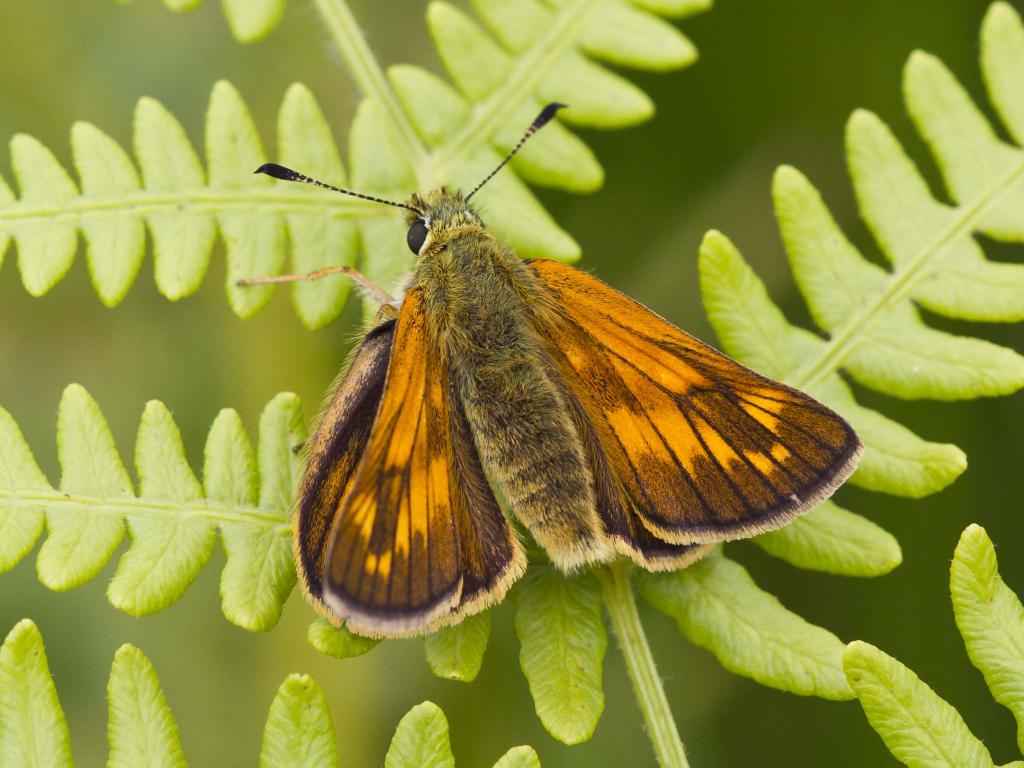
  Distribution and habitat   This species occurs from Europe to the East Palearctic realm (northern Asia, China and Japan). In the British Isles it occurs in England, Wales, and south western and southeastern Scotland. It can be found anywhere where wild grasses are allowed to grow tall. Hedgerows, woodland clearings and edges are favourites.   Life cycle and foodplants   In northern Europe these butterflies have a single brood, but in the south they may have up to three broods.Eggs are laid singly on the underside of foodplant leaves and hatch after about two weeks. They are normally laid on cocksfoot (Dactylis glomerata) … Read more

Tags:

large blue butterfly life cycle,habitat,Diet & facts

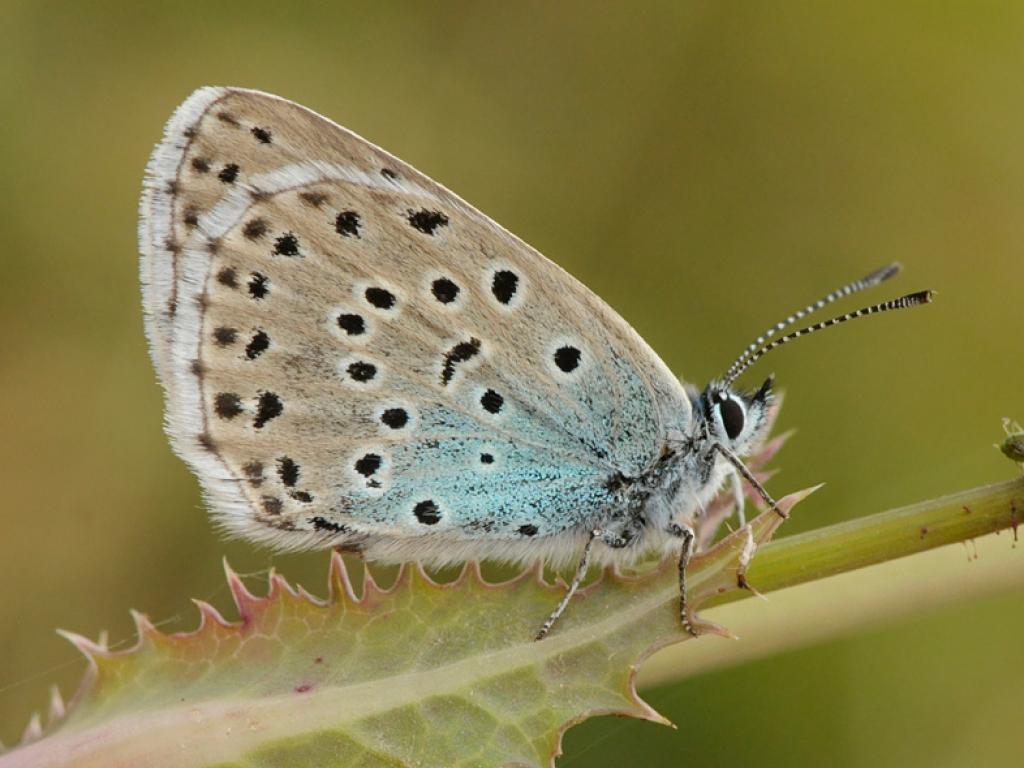
The large blue butterfly (Phengaris arion) is a rare and fascinating species with a complex life cycle and unique ecological relationships. Here’s an overview of its life cycle, habitat, diet, and interesting facts: Life Cycle The large blue butterfly goes through several distinct stages in its life cycle: Habitat The large blue butterfly inhabits specific types of grasslands: The butterfly is very rare and currently found only in southwestern England, where it has been reintroduced through conservation efforts. Diet The large blue’s diet varies throughout its life cycle: Interesting Facts This remarkable butterfly demonstrates the intricate relationships that can exist … Read more

Tags:

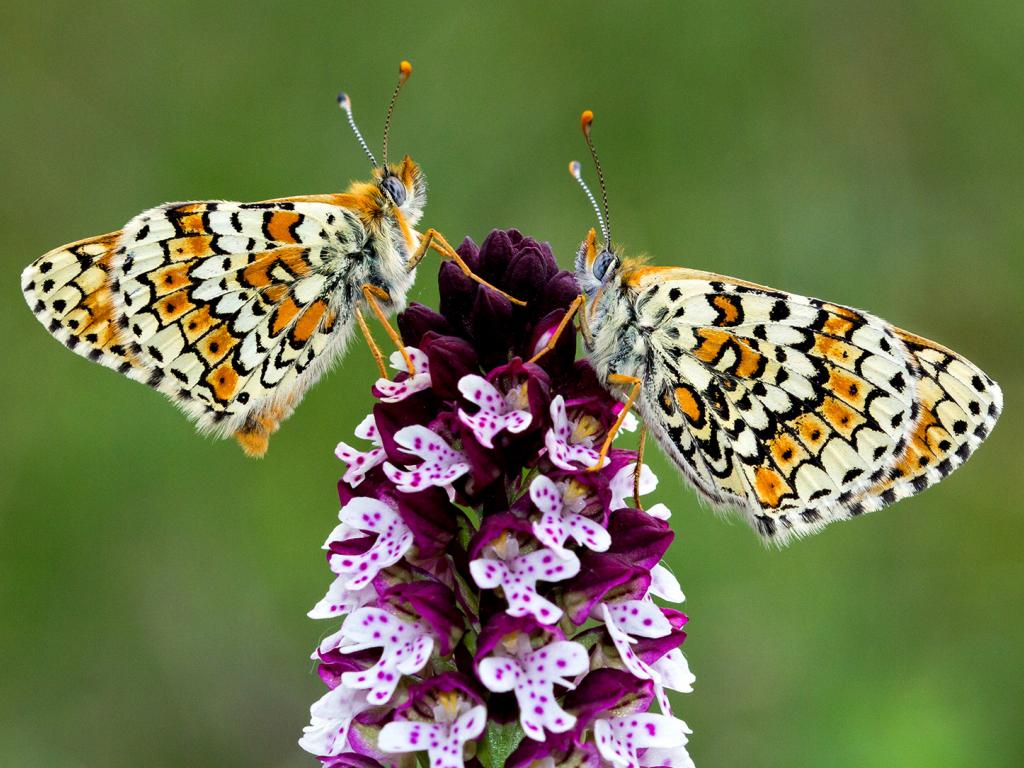
Glanville Fritillary butterfly

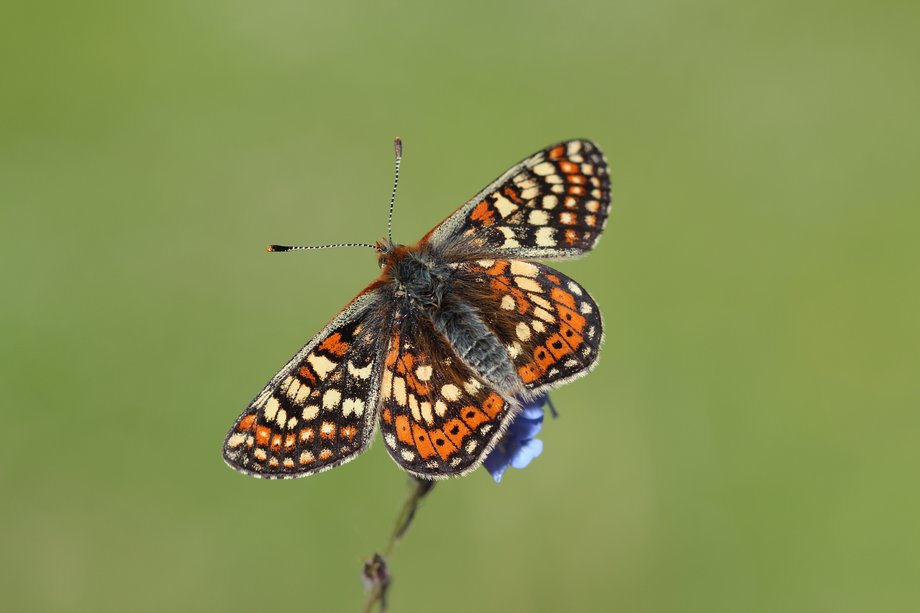
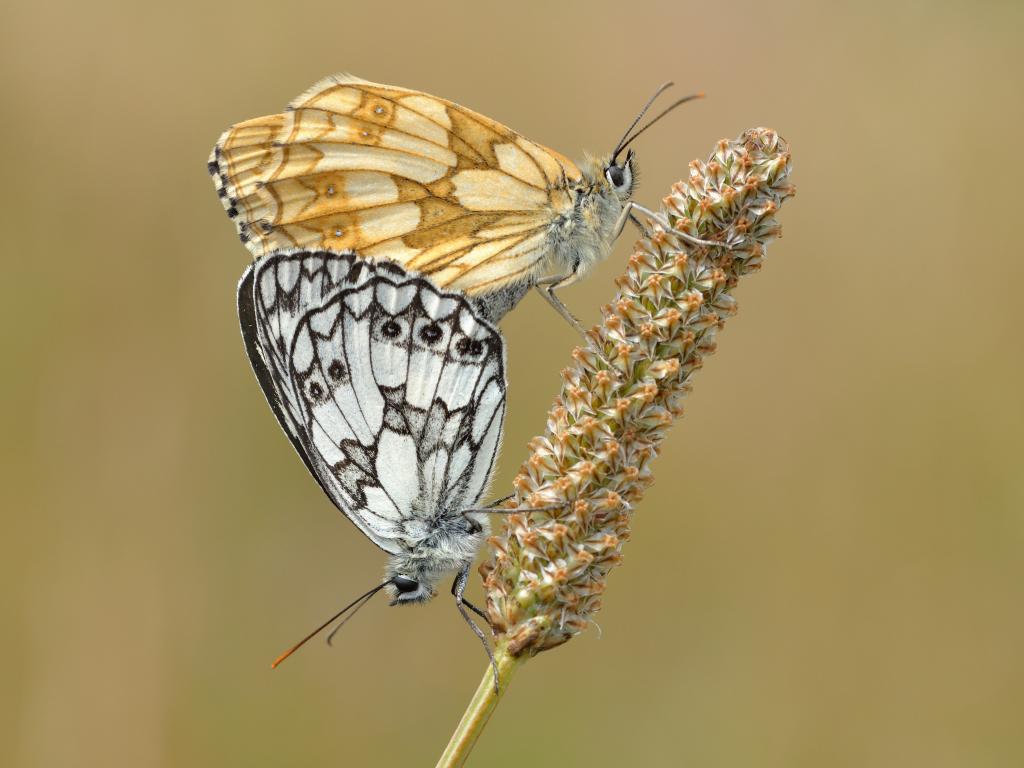
  The Glanville fritillary (Melitaea cinxia) is a butterfly of the family Nymphalidae. It is named for the naturalist who discovered it and the checkerboard pattern on its wings. These butterflies live in almost all of Europe, especially Finland, and in parts of northwest Africa. They are absent from the far north of Europe and parts of the Iberian Peninsula. To the east they are found across the Palearctic (in Turkey, Russia, northern Kazakhstan, and Mongolia).   It has been discovered that this butterfly only mates one time in June or July and lays its eggs. It does not provide any protection … Read more

Tags:

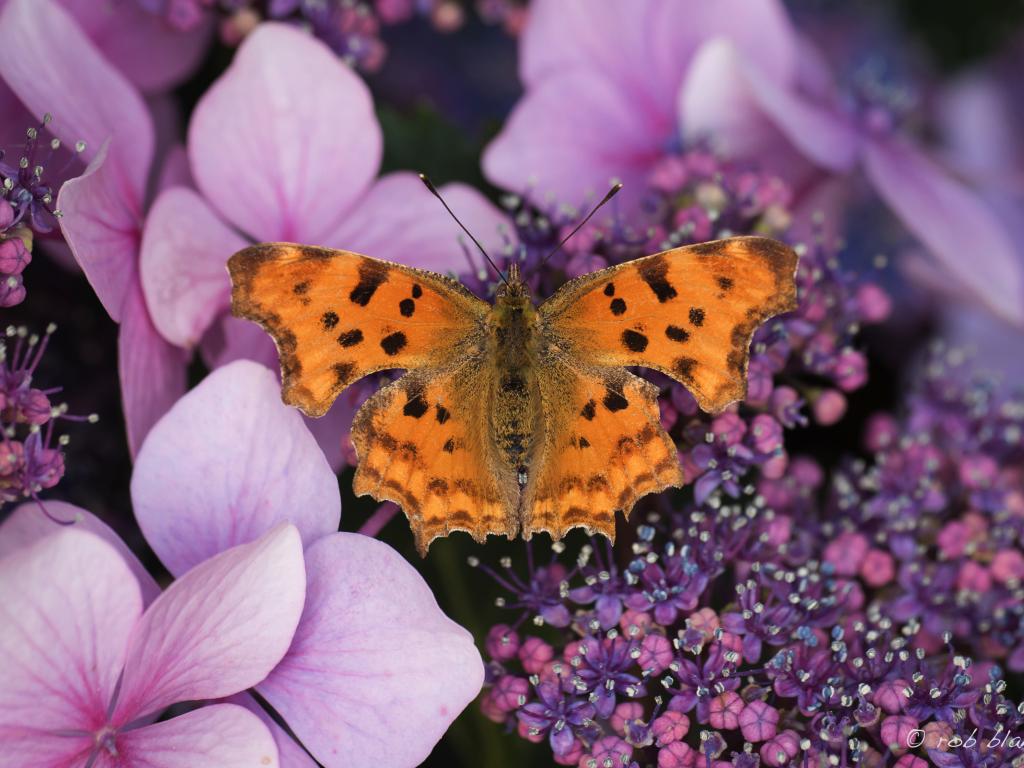
Comma butterfly Life cycle & Habitat Facts

How do comma butterflies breed? Female comma butterflies mate with several males to fertilise their eggs. They are able to distinguish between males that have fed on high-quality and low-quality plants and will favour the former. The fertilised female lays her eggs on the leaves of stinging nettles and other larval food plants. The eggs hatch after around five days and the caterpillars will feed on the leaves before undergoing pupation. Hibernation The comma hibernates in woodland, usually in hollow trees or log piles. They leave their hibernation spot on warmer winter days and emerge completely in March. Where do … Read more

Tags:

Clouded Yellow butterfly habitat facts

  The clouded yellow is a migrant that arrives here from May onwards. Usually, only small numbers turn up, but some years see mass migrations. It prefers open habitats, particularly chalk grassland.   About   The clouded yellow is a medium-sized, golden-yellow butterfly. It is a migrant species that flies here from North Africa and southern Europe. Clouded yellows are appear in small numbers most years, but occasionally turn up en masse – long remembered as ‘Clouded yellow years’. Adults may arrive at any time during the spring and summer, and can be found in a variety of open habitats, although, in southern … Read more

Tags:

chequered skipper butterfly

This colourful skipper is distinguished from all other skippers by the numerous yellowish spots found on its upperside – resulting in a chequered appearance that gives this butterfly its name. Like most skippers, this is a fast-flying butterfly, and its chequered markings make it very difficult to track when in flight. This butterfly does not exist in discrete colonies; populations are generally spread over wide areas of habitat. The Chequered Skipper is confined to north-west Scotland where it was first discovered in 1939 at Loch Lochy in West Inverness-shire, where its distribution is centred on Fort William and where the … Read more

Tags:

brown hairstreak butterfly

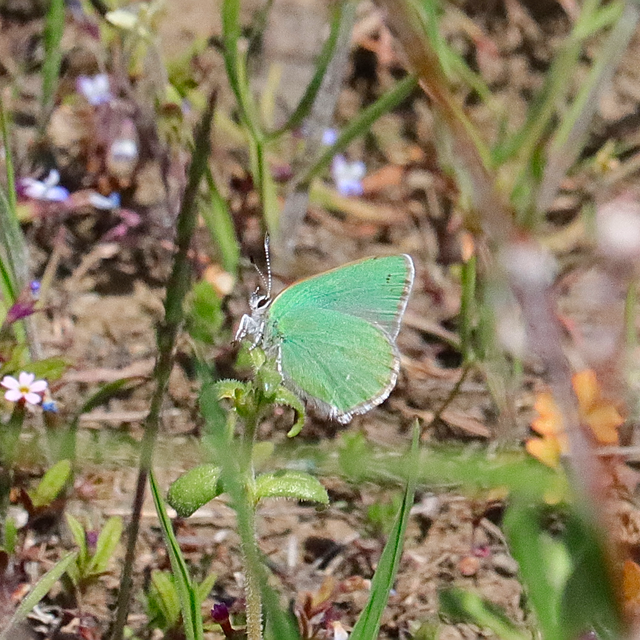
Habitat Hedges, scrub and woodland edge where Blackthorn is prominent and not flailed every year.   Life cycle and food plants   In Europe the female lays her eggs on blackthorn (Prunus spinosa) in late August which overwinter, hatching the following spring when the buds are breaking. It has been found that the best way to find breeding sites for this species is to look for the conspicuous white eggs in the winter. The larvae are extremely well camouflaged and feed only at night, remaining motionless during the day. Pupation takes place in leaf litter on the ground in late June or … Read more

Tags:

Adonis Blue butterfly Habitat & Life cycle FCATS

This beautiful species of butterfly is one of the most characteristic of unimproved southern chalk downland, where it can be seen flying low over shortly grazed turf (typically steep, south-facing slopes). The males have brilliant sky-blue wings, while the females are chocolate brown and far less conspicuous. Both sexes have distinctive black lines that enter or cross the white fringes of the wings. The white, textured disc-shaped eggs are laid singly under young, unshaded Horseshoe Vetch leaves in May-June and August-September. They can be found most easily in September where unshaded Horseshoe Vetch is growing on short turf. The Adonis … Read more

Tags:

Giant Swallowtail butterfly

Giant Swallowtail Butterfly Common Name: Giant Swallowtail ButterflyScientific Name: Papilio cresphontes Cramer [Sometimes the genus Heraclides is used.]Order: Lepidoptera Description: This adult butterfly is one of the largest swallowtail species, with a wingspan of up to 6 inches. Wings are black with yellow markings near wing margins and spots forming a diagonal band across the fore wings. Caterpillars are dark brown with creamy white mottled markings, making them appear much like bird droppings. When disturbed, caterpillars display a pair of horn-like, orange glands (osmeteria) which emit a foul smell. Other black and yellow swallowtail butterflies include the common tiger swallowtail, Pterourus (Papilio) glaucus (Linnaeus), which has a 3-1/2 to 4 … Read more

Tags: