
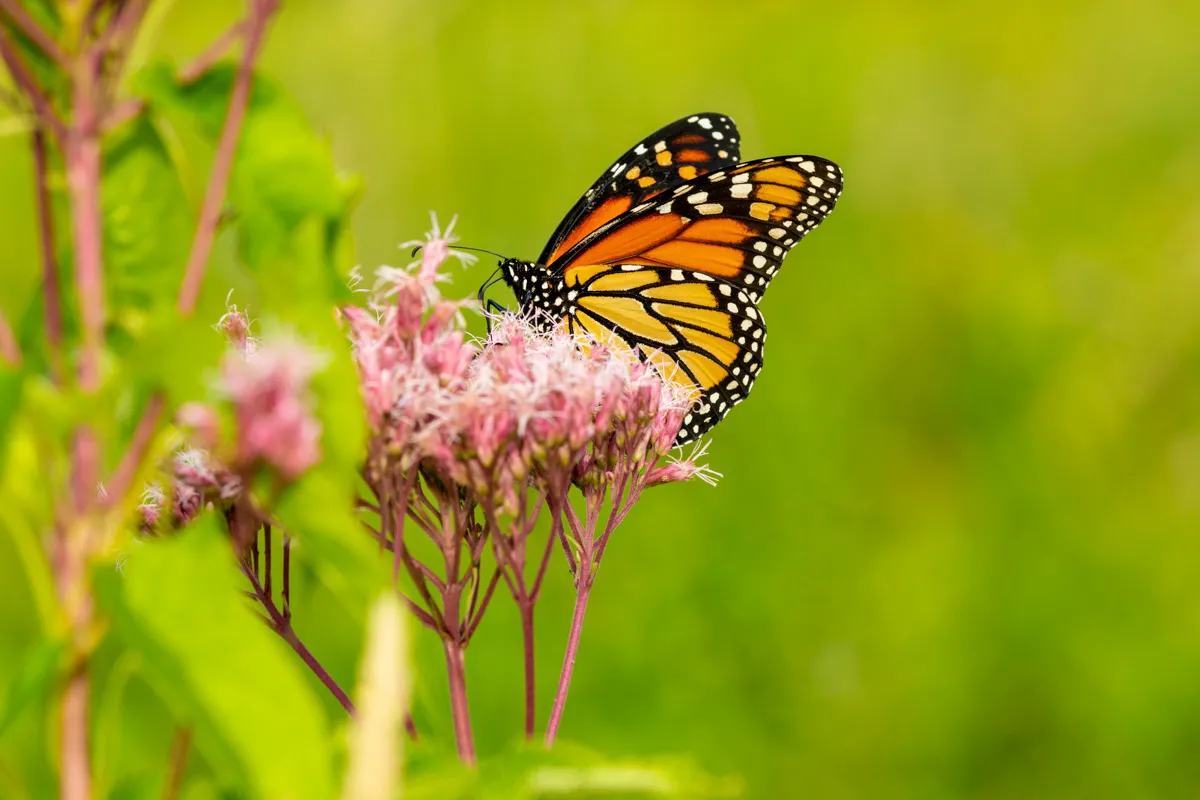
If you have ever watched a butterfly drift across a garden and wondered how long that tiny life lasts, you are not alone. It is one of those simple questions that opens into something much more interesting. A butterfly may look delicate and short-lived, but the answer depends on what part of its life you mean. Are we talking about the winged adult you see on flowers, or the full journey from egg to caterpillar to chrysalis to butterfly?
In most cases, the adult butterfly stage is surprisingly short. Many adult butterflies live for only about 2 to 4 weeks. But that is only part of the story. Some species live longer, especially those that overwinter as adults or migrate long distances. In those cases, a butterfly can survive for several months.
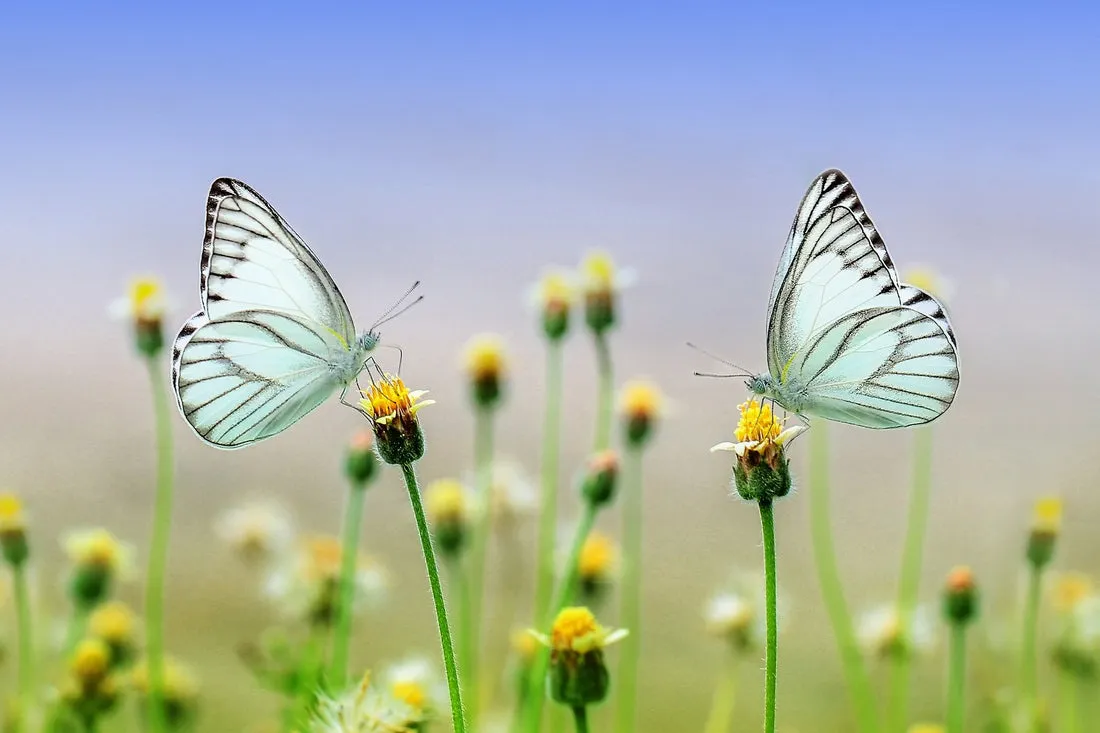
How long does a butterfly live on average?
The simplest answer is this: most adult butterflies do not live very long. A typical adult lifespan is often measured in weeks rather than months. For many species, the adult stage lasts around 2 to 4 weeks, which is just enough time to feed, find a mate, and reproduce.
That said, there is no single lifespan that fits every butterfly. Some small species may live only a few days as adults. Others, especially butterflies that spend winter in a dormant adult state, can live far longer. This is why the question “How long does a butterfly live?” has two honest answers: a short one for the adult stage, and a longer, more complicated one for the full life cycle.
The butterfly life cycle matters more than most people think
When people ask how long a butterfly lives, they usually picture the adult butterfly. But biologically, that visible stage is only the final chapter.
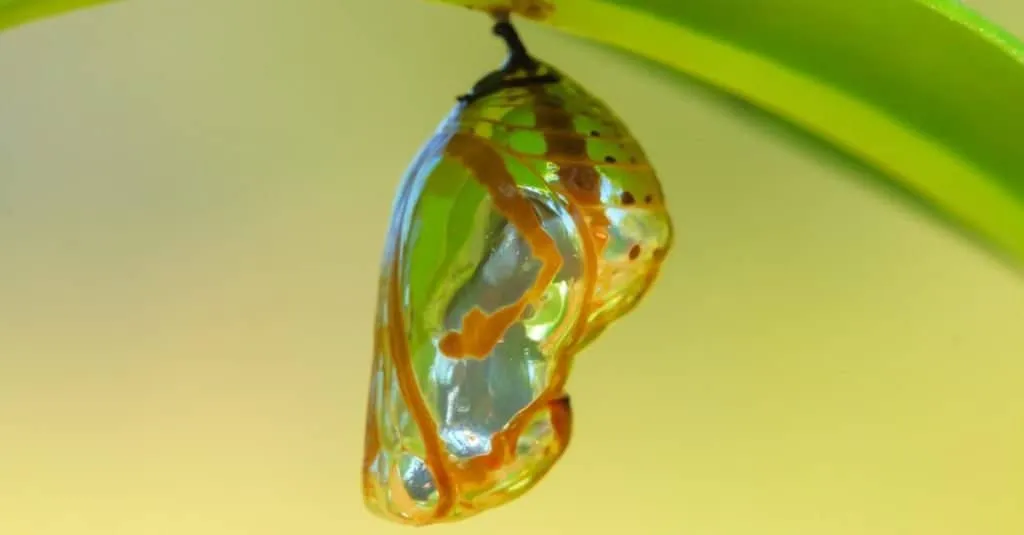
Butterflies go through four stages of metamorphosis: egg, caterpillar, pupa, and adult. Eggs are usually laid on plants that the caterpillars will eat after hatching. The caterpillar stage is the main feeding and growing phase. After that, the insect forms a pupa, commonly called a chrysalis in butterflies, where the body reorganizes before the adult emerges.
This distinction matters because the full life of a butterfly often lasts much longer than the adult stage alone. In some species, the immature stages move quickly. In others, development can stretch out depending on temperature, season, and whether the species overwinters in one of those earlier stages.
Egg, caterpillar, chrysalis, adult: how long does each stage last?
There is no universal timeline for every butterfly species, but some broad patterns are well established.
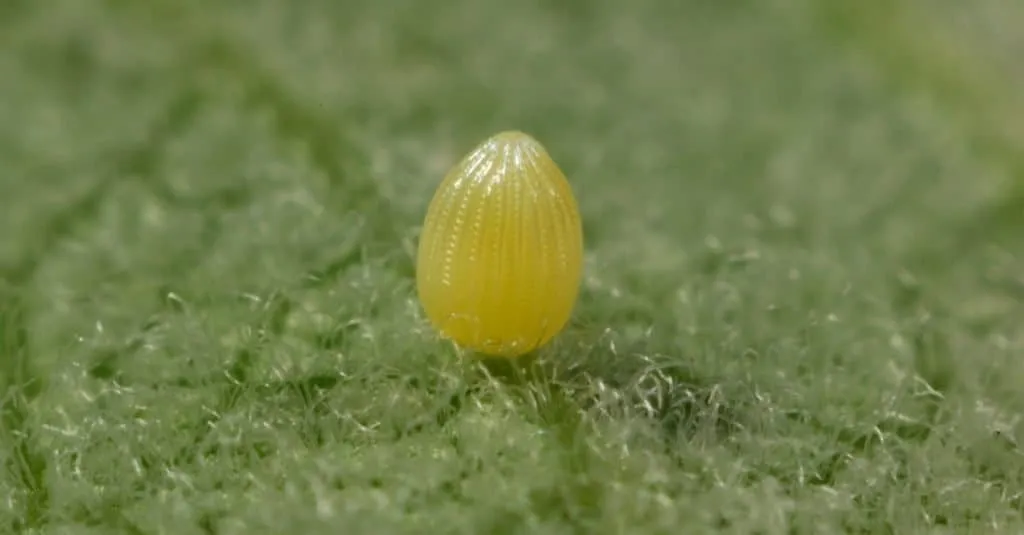
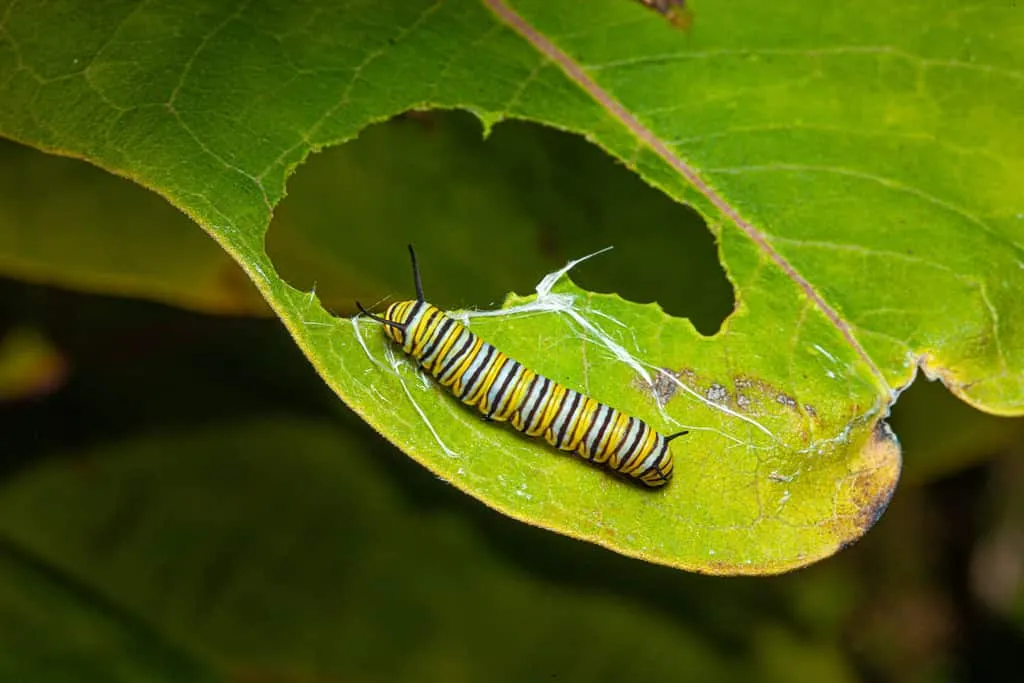
The egg stage is usually brief. In monarchs, for example, eggs typically hatch in about four days. The caterpillar then feeds for around two weeks, growing rapidly through several molts. After that, the chrysalis stage lasts about 8 to 15 days before the adult emerges.
What this means in practical terms is that even a butterfly with a short adult life has already spent weeks developing before you ever see it flying in the garden. So when someone asks, “How long does a butterfly live?” the real answer depends on whether they mean the full life cycle or only the adult stage.
Do butterflies really not eat once they become adults?
This is one of the biggest misconceptions in butterfly articles online.
Adult butterflies do eat. What changes is their role. Caterpillars are built for heavy feeding and growth, while adults are built for mobility, feeding, and reproduction. Many adult butterflies drink nectar, and some species also feed on tree sap, rotting fruit, or moisture from the ground. Monarch adults feed on nectar, and mourning cloak butterflies often prefer tree sap and decaying fruit.
So while the caterpillar is the major growth stage, the adult butterfly is not simply waiting to mate and die. It still needs energy, and access to food can affect how long it survives.
Why some butterflies live longer than others
Several factors can change butterfly lifespan, even within the same species.
The first is species biology. Some butterflies are simply short-lived by design, while others are adapted to survive across seasons. The second is temperature. Development and survival are strongly affected by climate, which is why seasonal generations can differ so much. The third is food. A butterfly with reliable nectar sources or other adult food may have a better chance of surviving longer. And, of course, predators, weather, and habitat quality can cut life short in the wild.
This is also why wild butterflies and butterflies raised in protected conditions may not live the same length of time. Real landscapes include wind, rain, heat, birds, spiders, and many other risks that do not show up in neat average numbers.
Monarch butterflies are the exception people remember
Monarchs are probably the best-known example of why butterfly lifespan is not one-size-fits-all.
Most monarch butterflies live about 2 to 6 weeks. But the final generation of the year is different. Instead of maturing, mating quickly, and dying, that late-season generation enters a reproductive pause and migrates south to overwinter. Those monarchs can live up to 8 to 9 months, far longer than the summer generations. Britannica similarly notes that migrating monarchs that overwinter in Mexico live seven to nine months.
Monarch reproduction is impressive too. Female monarchs can lay hundreds of eggs in the wild, and authoritative sources note that they can exceed 1,000 eggs in a lifetime under favorable conditions or in captivity.
Which butterflies live the longest?
Among the longest-lived butterflies in North America, the mourning cloak stands out. Because it overwinters as an adult, it can survive about 10 months, and some sources describe it as one of the longest-lived butterflies on the continent. Rather than relying mainly on flowers, adults often feed on tree sap and rotting fruit, which adds another reminder that not all butterflies live or feed in the same way.
This is the broader pattern behind the longest-lived butterflies: they do not simply “last longer” at random. They have a seasonal survival strategy, usually involving dormancy or overwintering in the adult stage.
How to help butterflies live longer in your garden
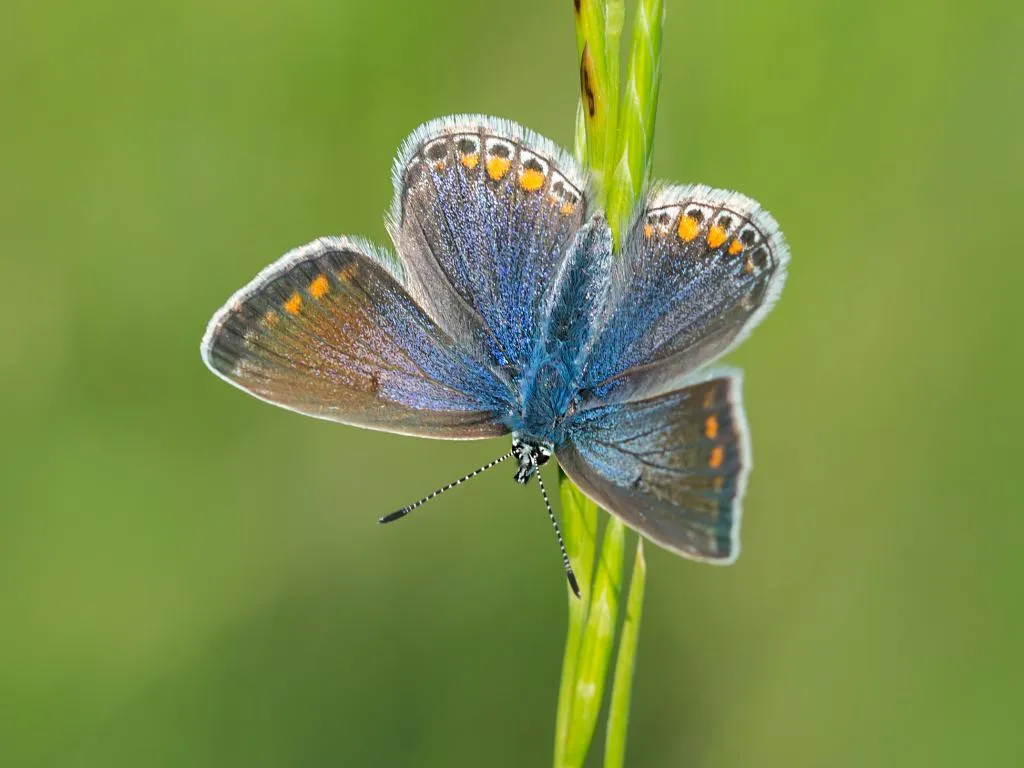
A butterfly-friendly garden cannot guarantee a long life, but it can make survival easier.
Plant nectar-rich flowers so adults have reliable food. Include host plants too, because butterflies lay eggs where caterpillars can feed after hatching. Avoid broad-spectrum pesticides whenever possible, and leave some sheltered areas with shrubs, stems, or rough natural cover. These small choices help create the kind of habitat butterflies need across more than one life stage.
A healthy butterfly garden is not only about attracting adults for a photo. It is about supporting the entire life cycle. Once you start thinking that way, the garden becomes much more alive.
Final thoughts
So, how long does a butterfly live?
For most species, the adult butterfly you see in the open usually lives only a few weeks. But the full life cycle is longer than that, and some butterflies, especially monarchs and overwintering species like the mourning cloak, can live for many months. That contrast is part of what makes butterflies so fascinating. Their lives are brief, but not simple.
The next time you see one resting on a flower, it is worth remembering that it has already passed through one of nature’s most remarkable transformations just to get there.
FAQ
How long does a butterfly live as an adult?
Most adult butterflies live around 2 to 4 weeks, though this varies by species and season. Some adults that overwinter can live for months.
How long does a monarch butterfly live?
Most monarchs live about 2 to 6 weeks, but the final migratory generation can live up to 8 to 9 months.
Do butterflies live longer than caterpillars?
Not always. The adult stage is often short, while the caterpillar and chrysalis stages can take weeks, and the full life cycle may be much longer depending on species and climate.
Do butterflies make cocoons?
Usually no. Butterflies typically form a chrysalis, while many moths spin cocoons.
What helps butterflies survive longer?
Species type, temperature, food supply, shelter, and protection from predators all affect butterfly lifespan. Gardens with nectar plants, host plants, and fewer pesticides can help.