Yellow butterflies have a way of feeling personal. They show up in bright, open places, then somehow stay in your mind long after they are gone. In the story behind this topic, a yellow butterfly appeared first at the beach and then again at home during a stressful season, which is exactly why so many people search for their meaning in the first place. For many readers, yellow butterflies feel tied to hope, comfort, and change.
From a naturalist’s point of view, though, “yellow butterflies” is a broad category, not a single species. In North America, many sightings turn out to be tiger swallowtails, sulphurs, or dogfaces. In Britain and Ireland, one of the best-known examples is the Clouded Yellow, a migratory butterfly that appears every year in small numbers and in some years arrives in larger influxes remembered as “Clouded Yellow Years.”
What Do Yellow Butterflies Mean?
People often give butterflies emotional meaning, and yellow butterflies are usually read in a positive way. They are commonly associated with lightness, renewal, reassurance, and the feeling that a difficult season may not last forever. That hopeful interpretation runs strongly through the material you shared, and it is one reason this topic resonates so deeply with readers.
At the same time, the biological side of the story is just as interesting. Butterfly guides do not treat yellow butterflies as omens; they treat them as species with different wing shapes, host plants, habitats, and flight styles. That balance between personal meaning and practical identification makes this an especially strong blog topic for search.
How to Identify Yellow Butterflies in Real Life
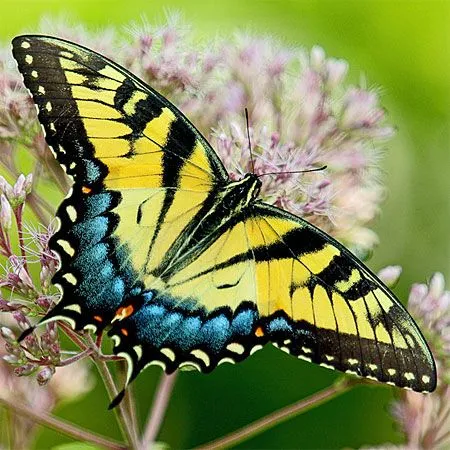
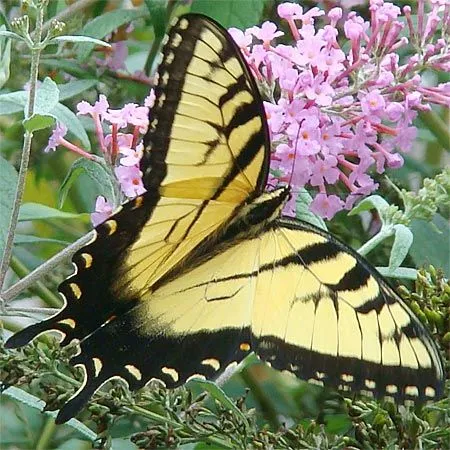
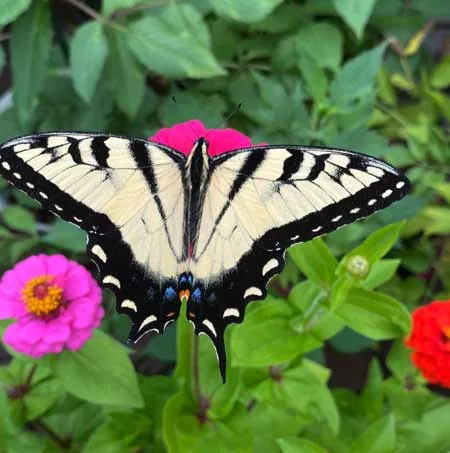
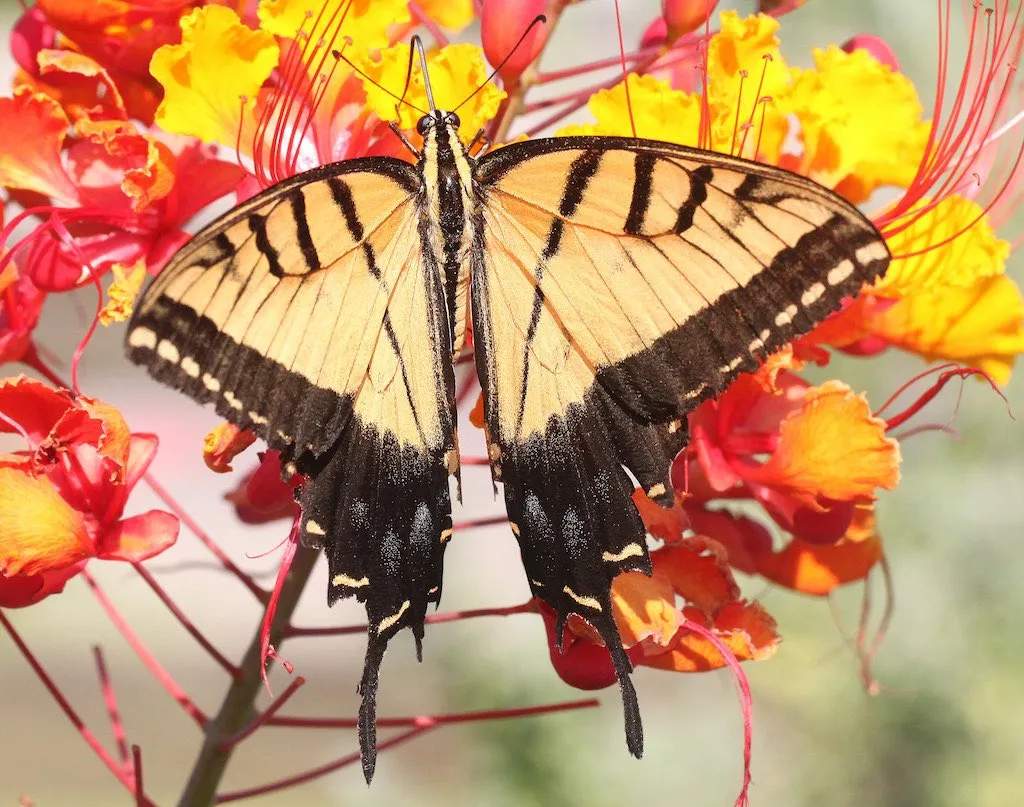
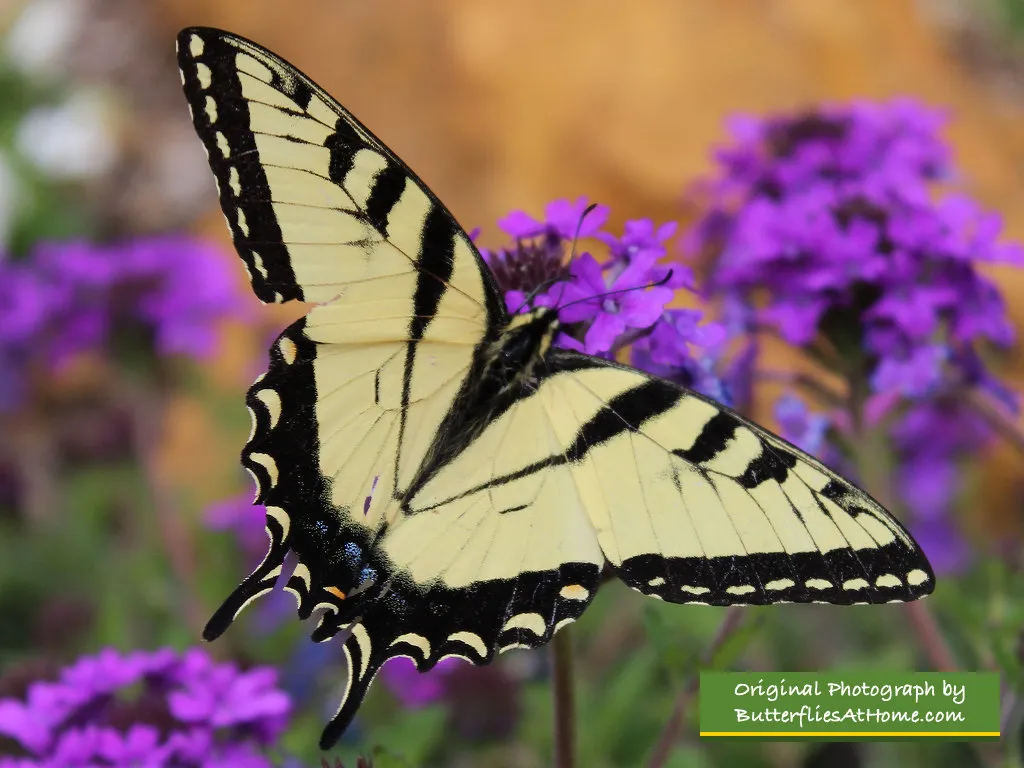
The easiest place to start is wing shape. If the butterfly has noticeable tail-like extensions on the hindwings, it is likely a swallowtail. If it looks smaller, rounder, and cleaner yellow overall, a sulphur is often a better guess. Tiger swallowtails are large and boldly striped, while Cloudless Sulphurs are usually bright yellow and are especially fond of certain red tubular flowers.
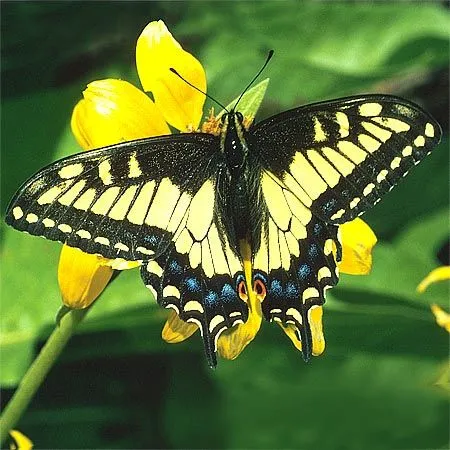
Location matters almost as much as color. In the eastern United States, Eastern Tiger Swallowtails are linked with host plants such as tulip tree, wild black cherry, and sweetbay magnolia. In western parts of North America, similar yellow swallowtails may instead point toward Western or Two-tailed Swallowtails, while Anise Swallowtails are often associated with dill, fennel, parsley, and related plants.
If you are in Britain or Ireland, a vivid golden butterfly moving quickly over flower-rich ground may be a Clouded Yellow. Butterfly Conservation describes it as a true migrant, closely tied to clovers and other leguminous foodplants, especially in flowery habitats and, in southern England, chalk downland.
One more identification tip is worth keeping in mind: a “yellow monarch butterfly” is almost always a misidentification. Monarchs are orange and black, while yellow-and-black butterflies are more commonly swallowtails.
Common Yellow Butterflies You Might See
Eastern Tiger Swallowtail
This is one of the most striking yellow butterflies in North America. Males are yellow with strong dark stripes, and females can appear either yellow or dark. They are large, easy to notice, and often linked with black cherry, tulip tree, ash, and sweetbay magnolia.
Cloudless Sulphur
If you see a bright yellow butterfly floating through open sunny ground, especially around nectar flowers, a Cloudless Sulphur is a strong possibility. Florida’s gardening guidance notes that adults are usually bright yellow, though females can be paler, and that they often feed from red flowers such as red morning-glory, cypressvine, and scarlet sage.
Southern Dogface
Southern Dogfaces are memorable because of the dark pattern on the upper wings that gives the species its name. They favor open, sunny, dry places such as meadows, pastures, roadsides, and scrubby habitat. If your readers like unusual-looking butterflies, this species is always worth mentioning.
Clouded Yellow
For UK readers, the Clouded Yellow adds a different angle to the topic. It is not just a yellow butterfly; it is a migratory one, and that gives it a slightly legendary feel among butterfly watchers. It is especially associated with clovers, other legume foodplants, and flower-rich open habitat.
Yellow Butterflies in the Garden: How to Attract Them Naturally
The biggest mistake people make is planting only nectar flowers. Butterflies need two things: nectar plants for adults and host plants for caterpillars. Conservation and extension sources keep repeating this point because without host plants, you may get a brief visit, but you will not support the full butterfly life cycle.
The right host plants depend on where you live. Tiger swallowtails use trees such as black cherry, tulip tree, and sweetbay magnolia. Anise Swallowtails use dill, fennel, parsley, and related herbs. Cloudless Sulphurs rely on cassias, and Clouded Yellows breed on clovers and other legumes.
Native plants are usually the best starting point. Xerces stresses that pollinator habitat should include abundant flowers, shelter, and protection from pesticides, while the National Wildlife Federation emphasizes that butterfly and moth caterpillars rely on specific host plants and offers a Native Plant Finder to help match plants to local regions.
Why Yellow Butterflies Stay With Us
Part of the appeal is emotional. People naturally want to believe that a yellow butterfly means something kind. Part of the appeal is also visual: yellow butterflies are bright, active, and easy to remember. But there is a third reason too. They often lead us back to the landscape itself—to the flowers nearby, the host plants in the background, and the larger rhythm of migration, breeding, and seasonal change.
So if you see one, it is perfectly natural to pause. You can keep the hopeful feeling if that speaks to you, but you can also look a little closer. Notice the wing shape, the flight style, and the plants around it. Those details will often tell you exactly which yellow butterfly has crossed your path.
FAQ
What does it mean when you see yellow butterflies?
Many people interpret yellow butterflies as symbols of hope, positivity, and transformation. From a wildlife perspective, though, a yellow butterfly is simply one of several real species whose color makes the encounter feel memorable.
Are yellow butterflies rare?
Not always. Some yellow butterflies are fairly common in the right habitat. For example, Florida guidance describes Cloudless Sulphurs as one of the most common butterflies there, while the Clouded Yellow in Britain and Ireland is a migratory visitor that can be scarce in some years and far more noticeable in others.
Is there really a yellow monarch butterfly?
Usually, no. Monarchs are orange and black. When people think they have seen a yellow monarch, the butterfly is often a yellow-and-black swallowtail instead.
How do I attract yellow butterflies to my garden?
Plant both nectar flowers and caterpillar host plants, use native plants where possible, and avoid pesticide exposure. The National Wildlife Federation’s Native Plant Finder is useful for choosing host plants that match your area.
How can I tell a swallowtail from a sulphur?
Swallowtails are usually larger and have tail-like extensions on the hindwings. Sulphurs are smaller, rounder, and often look cleaner yellow overall. That simple shape difference is often the fastest clue in the field.