
If you’ve ever watched butterflies drift through a garden on a warm afternoon, you already know they can turn an ordinary yard into something that feels alive. The good news is that attracting them is not complicated. If you choose the right flowers, give them sunshine, and leave room for both nectar plants and caterpillar host plants, your garden becomes much more inviting to butterflies through more than just one life stage.
So, what flowers attract butterflies the most? In general, butterflies are drawn to bright, nectar-rich blooms in shades of red, orange, yellow, pink, and purple. They also tend to favor flowers that are easy to land on, especially flat-topped blooms or clustered flowers that let them feed comfortably. Planting a mix of these flowers across the growing season is one of the simplest ways to bring more butterflies into your yard.

Why Some Flowers Attract More Butterflies Than Others
Not every pretty flower works equally well for butterflies. A butterfly-friendly plant usually offers three things: easy access to nectar, a flower shape that suits butterfly feeding, and bloom timing that overlaps with local butterfly activity. Full sun matters too, because butterflies rely on warmth to become active, feed, and move around the garden.
That is also why native plants are often the strongest choice. They are better matched to local butterflies and usually fit local soils and climate with less fuss. Even if you add a few easy annuals for color, building the backbone of your garden around regional native plants usually gives you better long-term results.
12 Best Flowers That Attract Butterflies
1. Zinnias
Zinnias are one of the easiest answers to the question, “What flowers attract butterflies?” They are colorful, bloom for a long stretch, and are wonderfully beginner-friendly. If you want a flower that gives you quick summer color and frequent butterfly visits, zinnias are hard to beat.
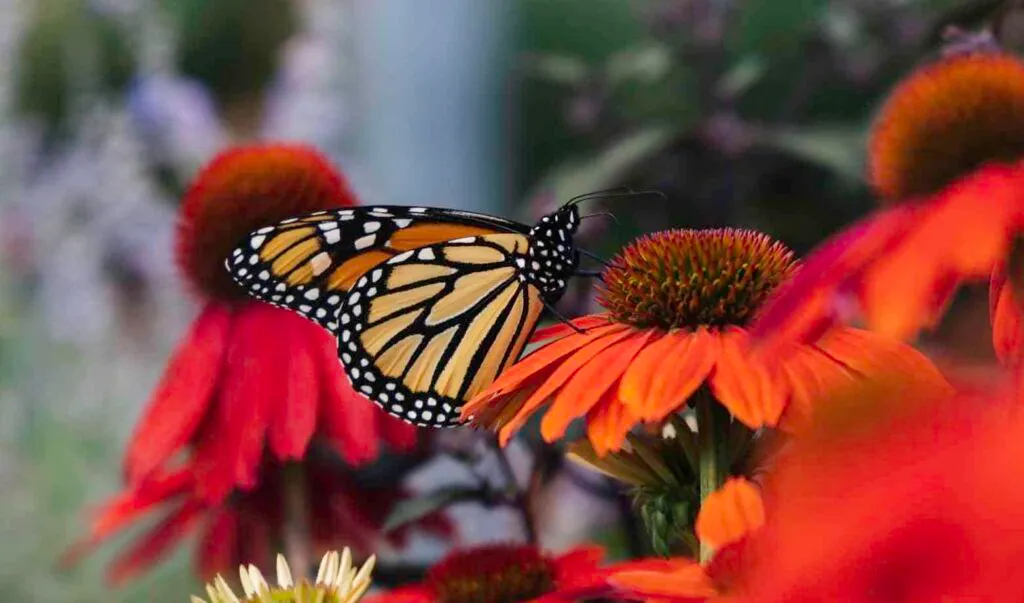
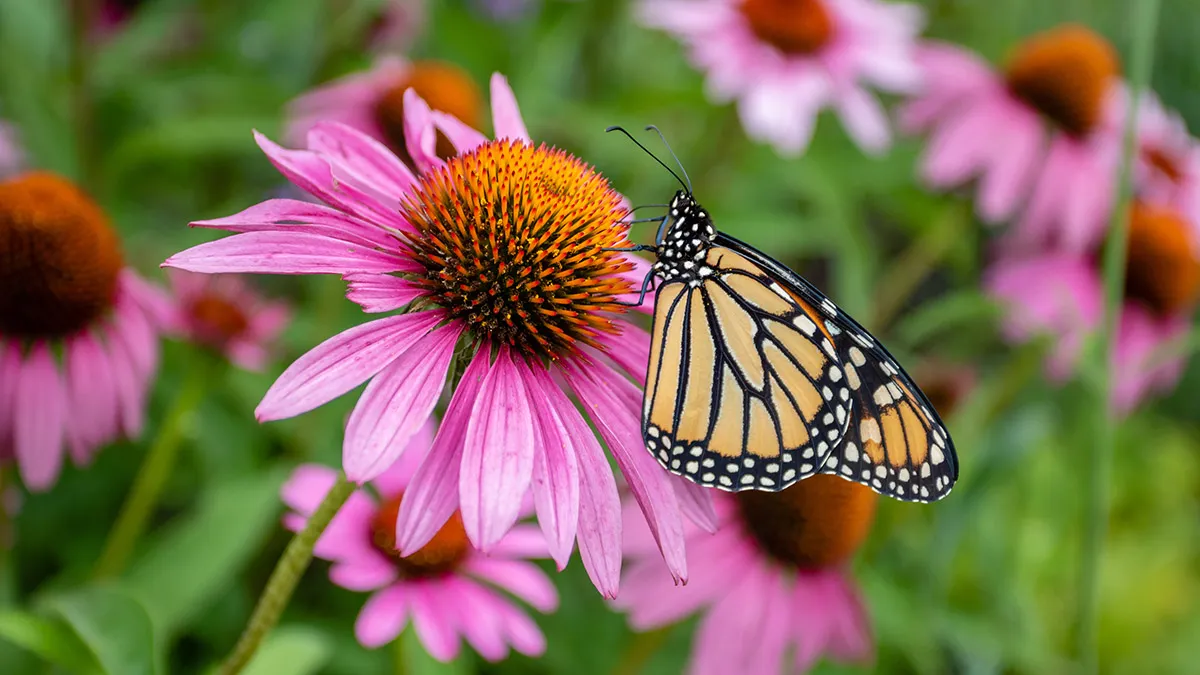
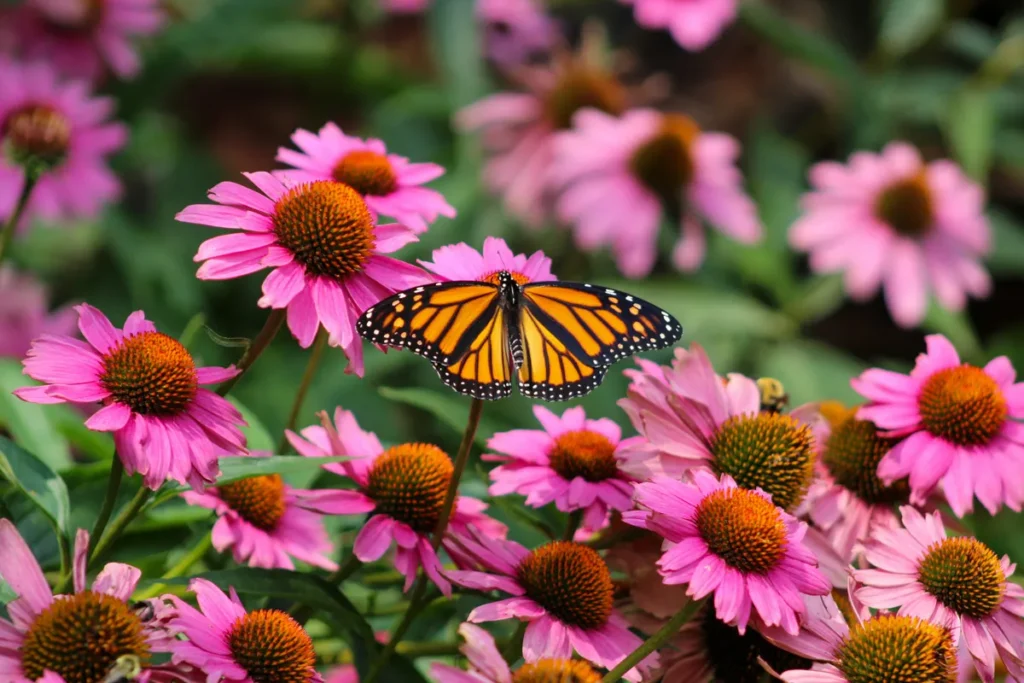
2. Coneflowers
Coneflowers are dependable, sturdy, and easy to recognize in a mixed border. Their raised centers and open form make them especially appealing in sunny gardens, and they pair beautifully with other pollinator plants. They also help a butterfly garden look natural rather than overly formal.
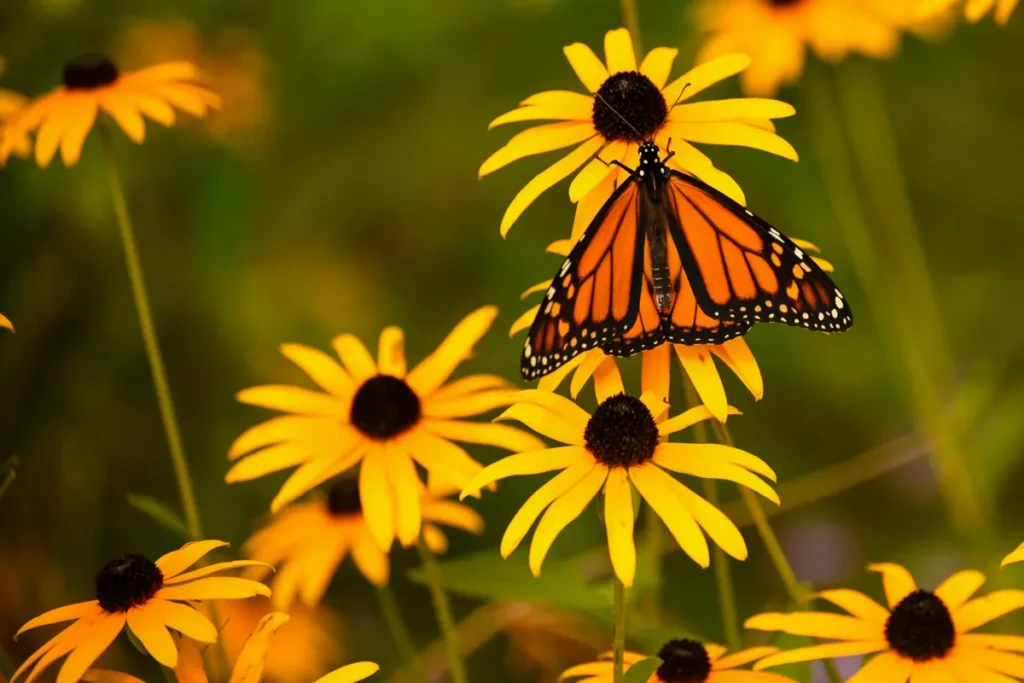
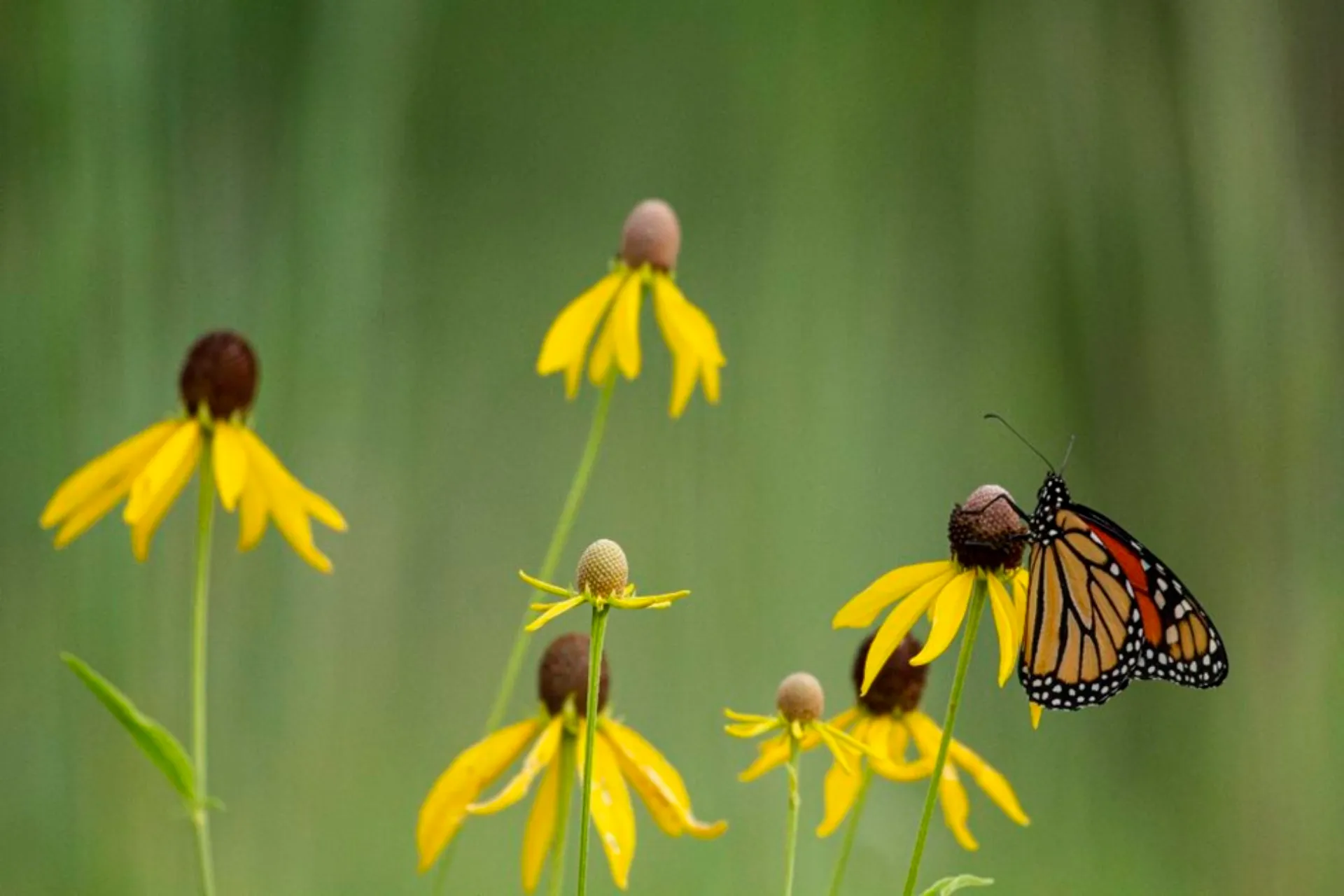
3. Black-Eyed Susans
Black-eyed Susans bring that cheerful yellow-and-dark-center contrast that stands out from a distance. They fit beautifully into cottage gardens, prairie-style plantings, and relaxed backyard borders. If you want a low-fuss flower that keeps the garden lively in summer, this is a strong pick.
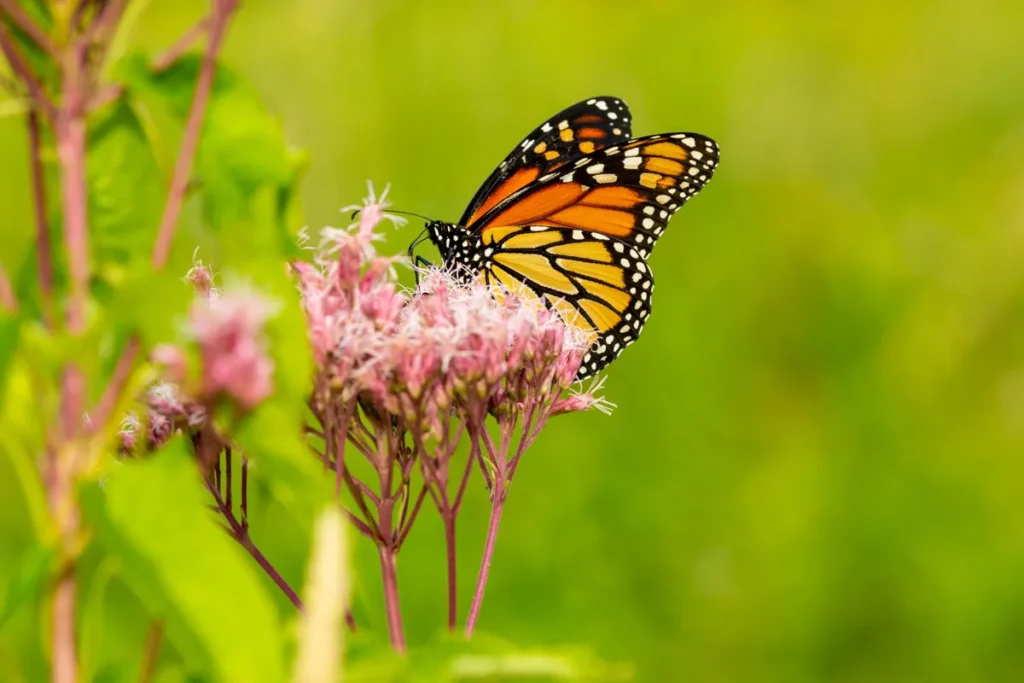
4. Butterfly Weed
Butterfly weed is one of the most valuable plants you can add, especially if monarchs are on your mind. As a type of milkweed, it is more than a nectar source: milkweeds are the plants monarch butterflies depend on for laying eggs and raising caterpillars. That makes butterfly weed both beautiful and ecologically useful.
5. Salvias
Salvias are a great choice if you want tall flower spikes, saturated color, and a long season of bloom. Different varieties work in different climates, which makes this a flexible group for gardeners who want something reliable and easy to tuck into borders or containers.
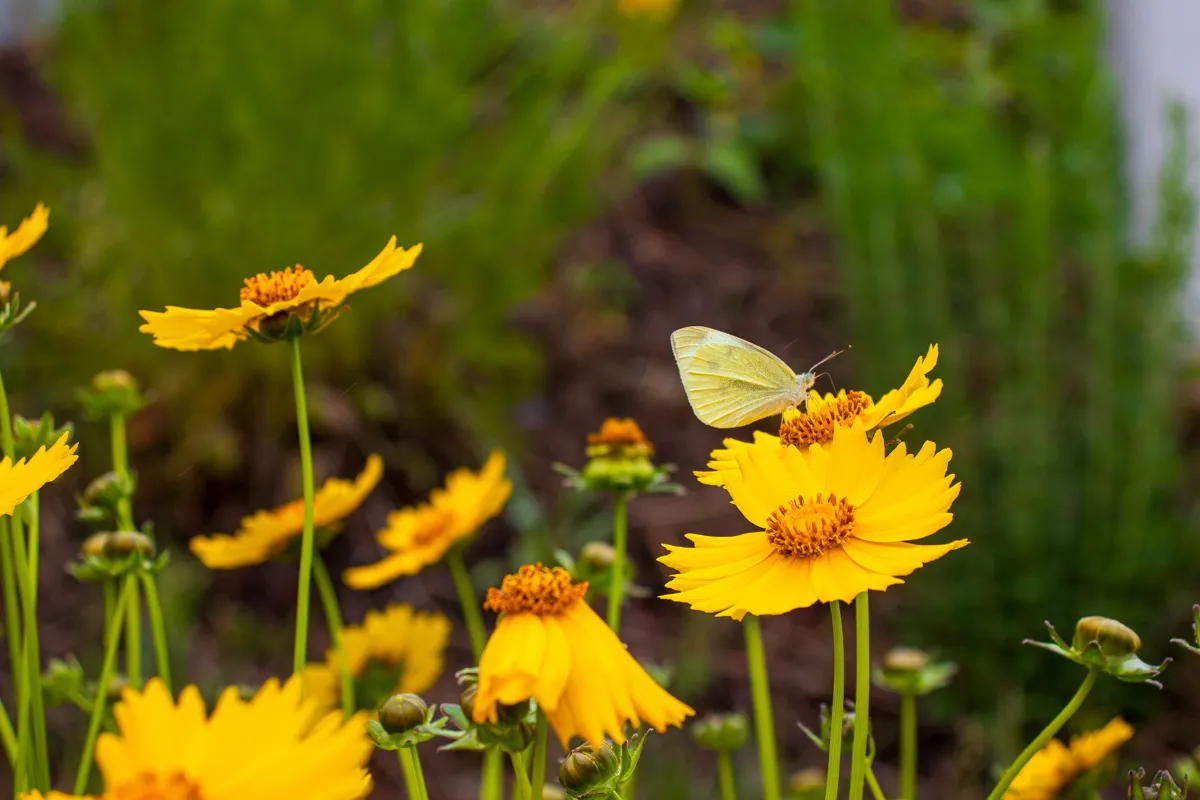
6. Lantana
In warm, sunny gardens, lantana is often full of motion. The clustered flowers offer plenty of nectar in a small space, and the color range makes it easy to blend into decorative beds, patio pots, or hot-climate landscapes.
7. Verbena
Verbena is especially useful when you want that airy, lightly wild look without losing color. Its flower clusters work well in butterfly gardens because butterflies can move across multiple small blooms in one stop. It also mixes beautifully with coneflowers, salvias, and ornamental grasses.
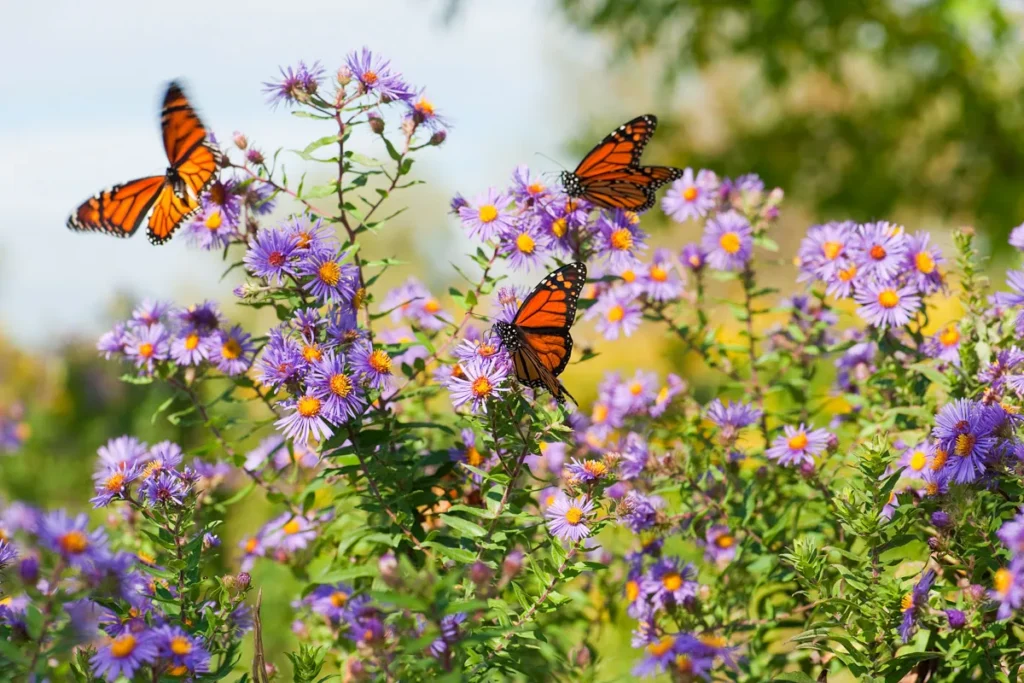
8. Asters
Asters are one of the smartest late-season additions to a butterfly garden. When many summer flowers start fading, asters help keep nectar available into the later part of the season. That extended bloom window is one of the best ways to make your garden useful rather than just pretty.
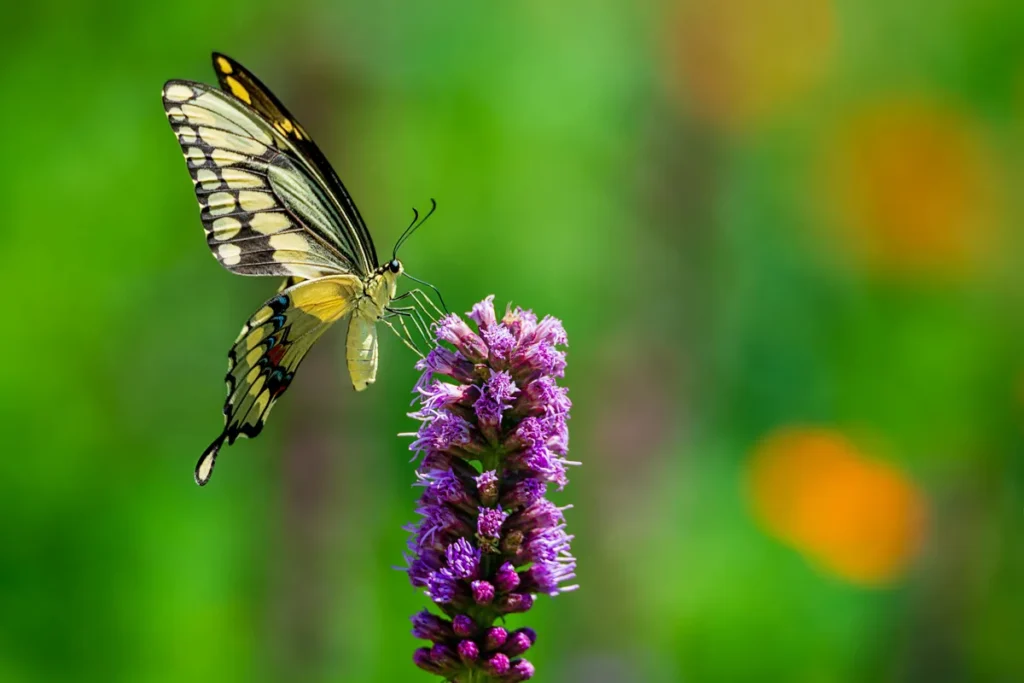
9. Blazing Star
Blazing star, also called liatris, adds vertical drama and rich color. Those upright flower spikes are a favorite in many pollinator gardens, and they bring a more layered look to the planting design. If your garden feels too flat, this is one of the easiest ways to add movement and structure.
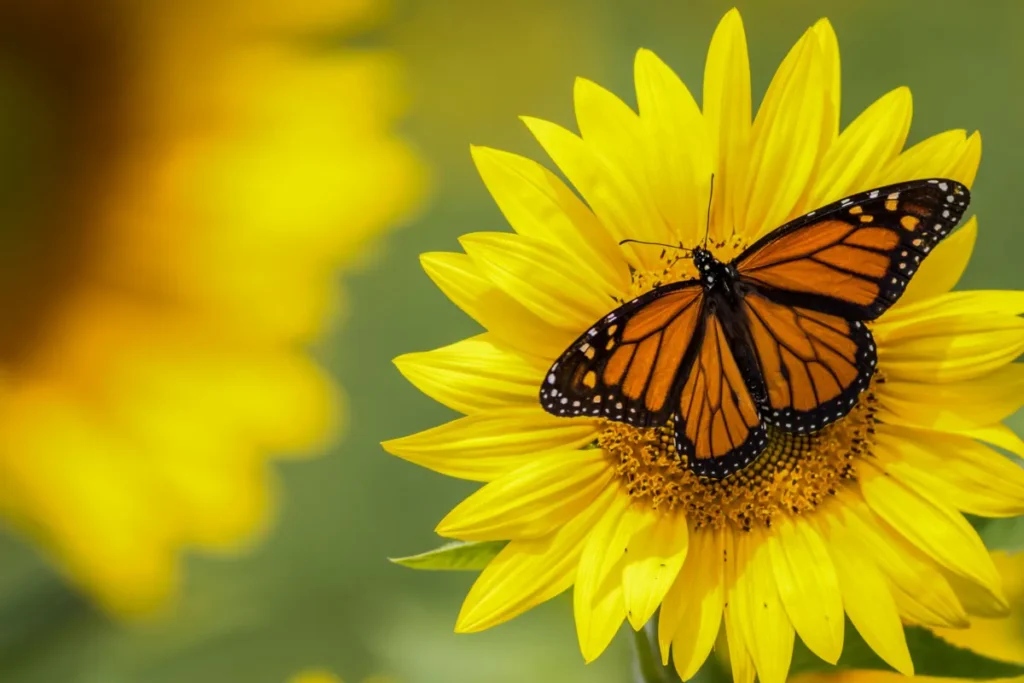
10. Sunflowers
Most people think of birds first when they hear “sunflower,” but butterflies use them too. The central florets can provide feeding opportunities, and the blooms add height, warmth, and that unmistakable late-summer energy to the garden. Dwarf varieties are a good solution for smaller spaces.
11. Phlox
Garden phlox is ideal if you want a flower that feels lush and generous. The clusters are showy, fragrant, and easy to spot in the border, which makes them just as rewarding for the gardener as for visiting butterflies. They work especially well in classic cottage-style planting schemes.
12. Anise Hyssop
Anise hyssop is one of those plants gardeners tend to recommend to each other once they’ve grown it. It has a long flowering habit, a soft spiked shape, and a scent that gives it extra garden charm. It also adds a more natural, slightly meadow-like feel to a butterfly planting.
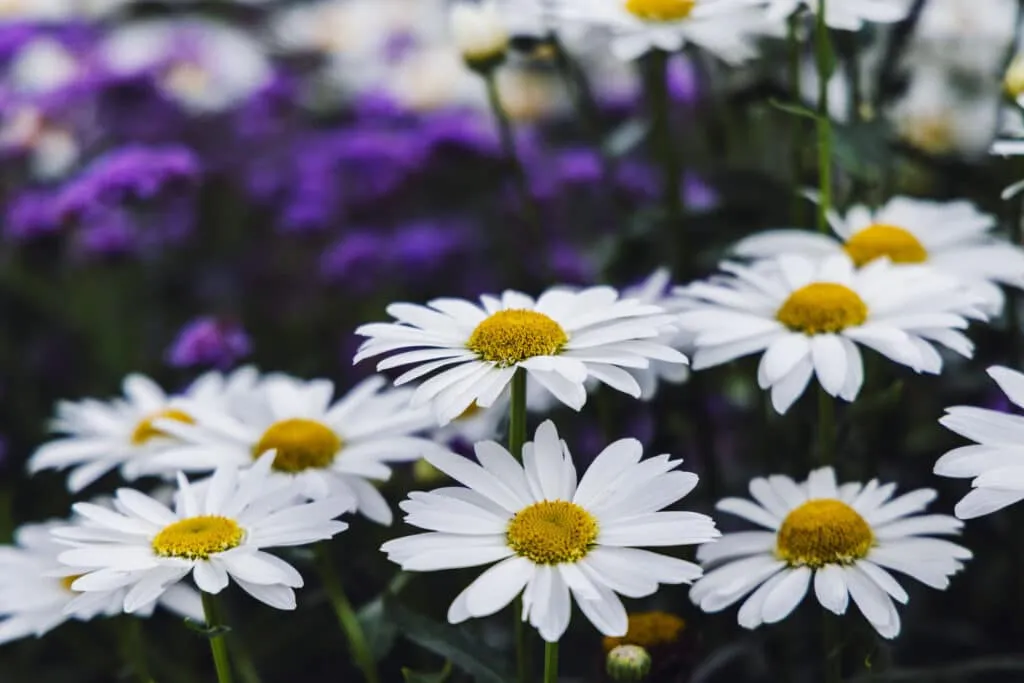
Nectar Plants Matter, but Host Plants Matter More Than Most Gardeners Realize
A lot of people focus only on adult butterflies, which makes sense at first. We see the winged stage visiting flowers, so we naturally think nectar is the whole story. But a truly useful butterfly garden also includes host plants, the plants where butterflies lay eggs and caterpillars feed. Without host plants, you may attract visiting butterflies, but you are less likely to support a full life cycle in your yard.
Milkweed is the best-known example because monarchs depend on it. Herbs in the carrot family, such as dill, parsley, and fennel, are also valuable host plants for black swallowtails. This is one reason a butterfly garden can be both ornamental and practical: some of the most helpful plants are also beautiful or useful in the kitchen.
How to Build a Butterfly Garden That Actually Works
If you want butterflies to stay longer, think beyond flowers alone. Plant in a sunny spot, include shelter from strong wind, and add a shallow water source or damp area for puddling. Flat stones are useful too, since butterflies often bask to warm themselves before feeding. These simple habitat details make a bigger difference than many gardeners expect.
It also helps to plant in clusters instead of scattering one of everything. Bigger drifts of the same flower are easier for butterflies to notice and more efficient for feeding. Try to choose plants so that something is blooming from spring through fall, rather than having one spectacular moment followed by long gaps.
And if possible, reduce pesticide use. Broad insecticide use can harm butterflies and caterpillars directly, and even a beautifully planted garden becomes much less helpful if chemicals are doing the opposite work in the background. Spot treatment, restraint, and habitat-first gardening are far more butterfly-friendly.
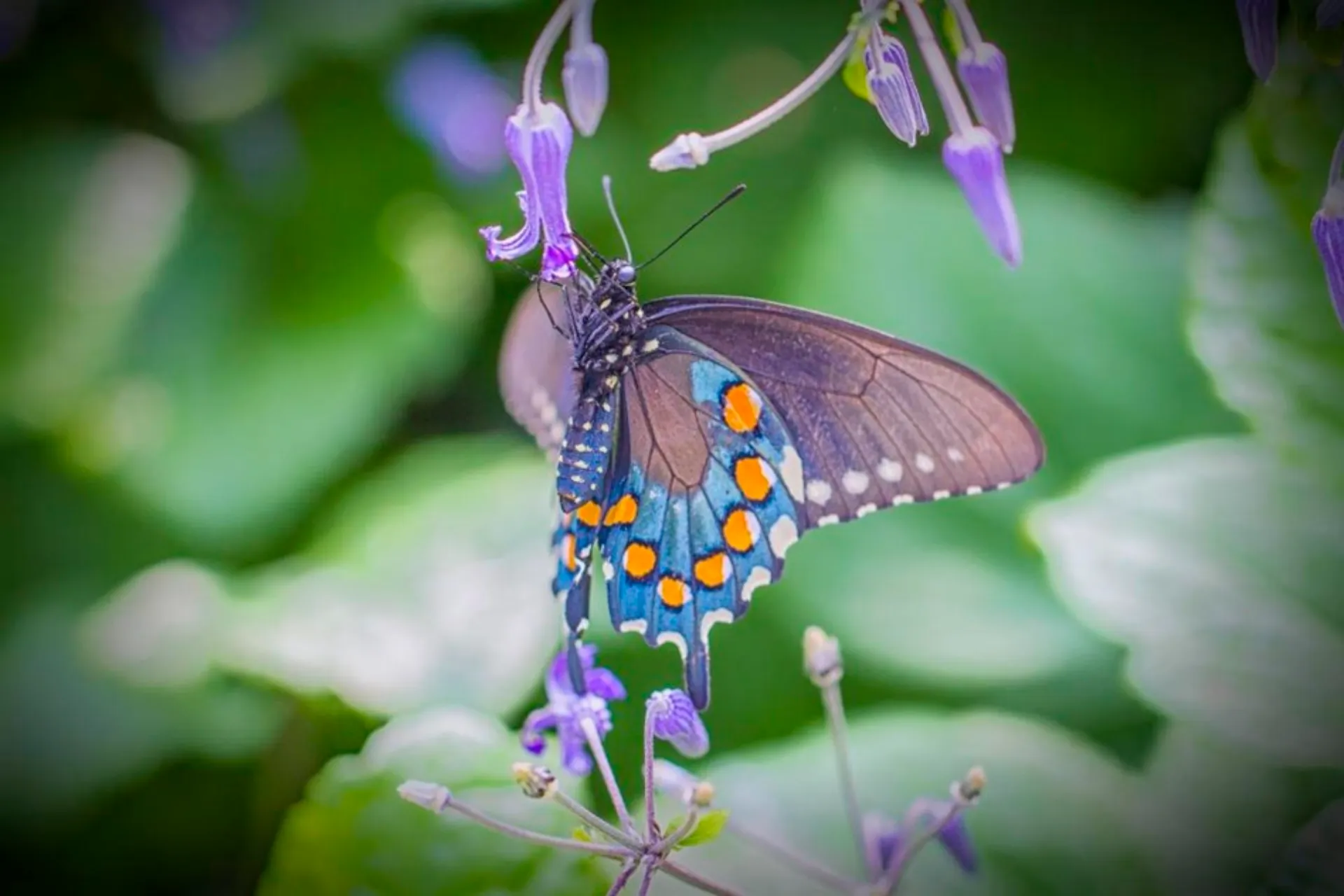
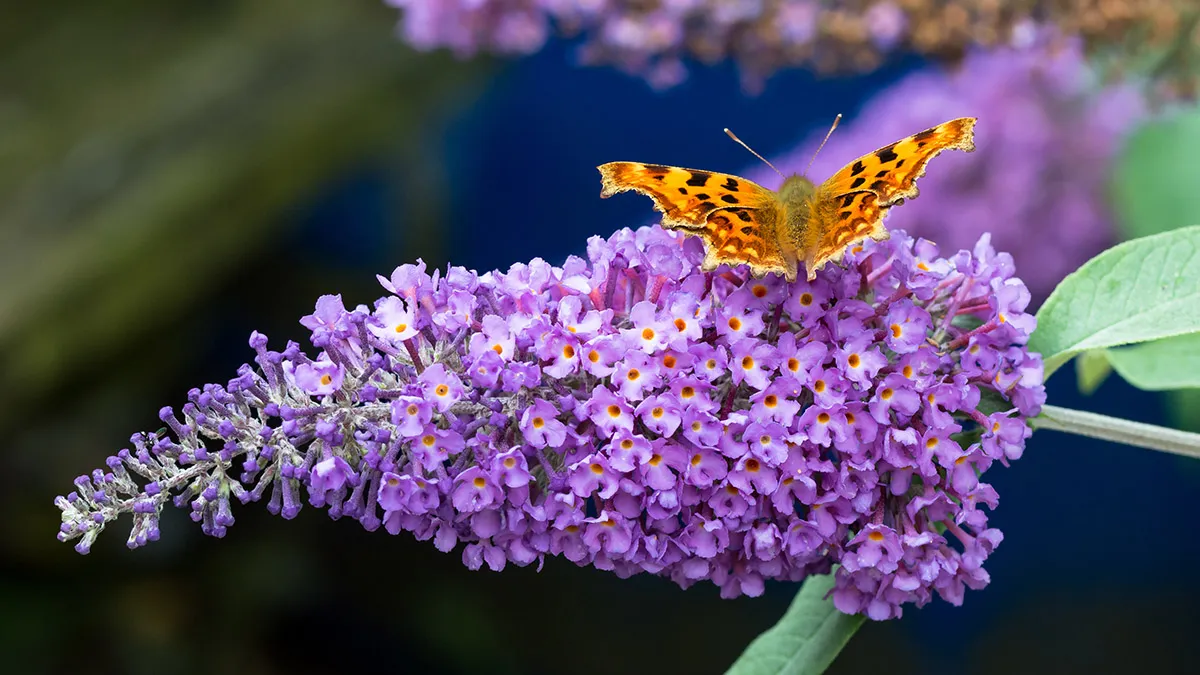
What About Butterfly Bush?
Butterfly bush is popular for a reason: it does attract adult butterflies. But it is not always the best choice, especially if you care about ecological impact. In parts of the Pacific Northwest, Buddleja davidii is considered invasive because it can spread by seed, displace native plants, and alter habitat. If you are considering it, check local guidance first and look for approved sterile cultivars where they are recommended.
For many home gardens, a better long-term strategy is to plant native nectar flowers plus true host plants. That combination usually supports more butterfly life overall, not just quick adult visits to one flashy shrub.
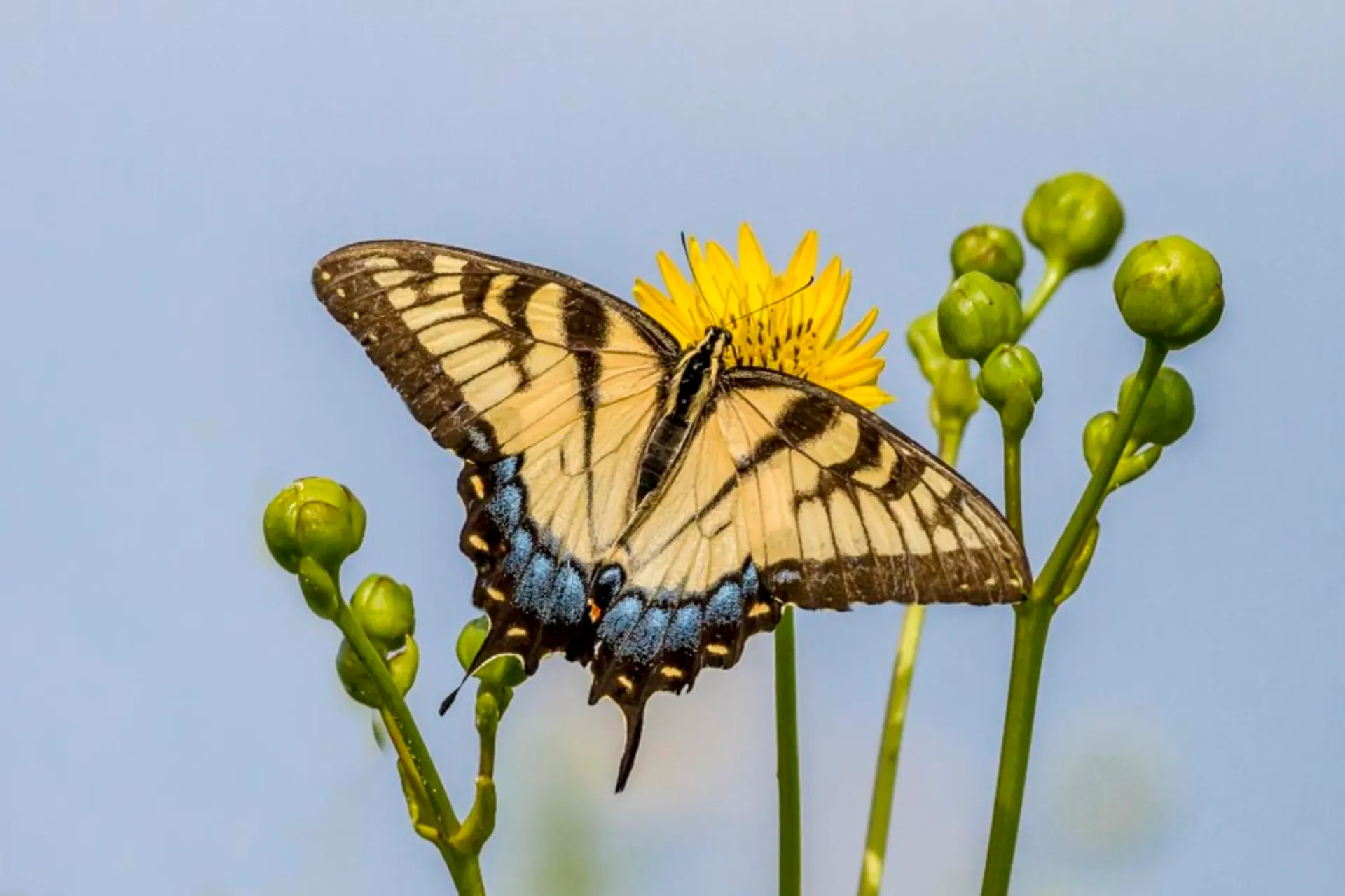
Final Thoughts
If you’ve been wondering what flowers attract butterflies, the simplest answer is this: plant bright, nectar-rich blooms in the sun, mix in native species whenever possible, and do not stop at nectar alone. A garden with zinnias, coneflowers, milkweed, asters, salvias, and a few good host plants can become far more than a pretty flower bed. It can become a place where butterflies feed, rest, breed, and return.
FAQ
What flowers attract butterflies the fastest?
Fast, colorful bloomers like zinnias, lantana, verbena, salvias, and coneflowers are often among the quickest to draw adult butterflies, especially in warm sunny weather. Planting them in clusters usually works better than planting single scattered specimens.
Do butterflies prefer native plants?
In most gardens, yes. Native plants are often better matched to local butterflies and are more likely to support both nectar feeding and caterpillar development. They also tend to be easier to manage in the climate where they naturally belong.
Is milkweed necessary in a butterfly garden?
If you want to support monarchs through their full life cycle, milkweed is essential. Adult monarchs feed on many nectar flowers, but they lay eggs only on milkweed, and monarch caterpillars feed on milkweed leaves.
Do butterflies need sun or shade?
Butterflies generally need sun. They use warmth to become active and often bask on rocks or other surfaces before flying and feeding. A sunny location with some shelter from wind is ideal.
Should I plant butterfly bush?
Only with caution. It can attract adult butterflies, but in some regions, especially parts of the Pacific Northwest, it is invasive and can spread into surrounding habitat. Native alternatives or sterile cultivars are often the safer choice.
Can I attract butterflies in a small garden or container space?
Yes. A small sunny patio, balcony, or compact yard can still attract butterflies if you grow nectar-rich flowers in groups and include at least a few long-blooming plants. Even small spaces benefit from having sun, shelter, and a shallow water source nearby.