
Butterflies have a way of making people pause. Even those who normally avoid insects often make an exception for them. Maybe it is the color, maybe it is the lightness of their flight, or maybe it is simply the fact that they feel more like living petals than bugs. If you have ever watched one drift through a garden and wondered what kind it was, learning the main types of butterflies is the best place to begin.
For beginners, butterfly identification can feel a little overwhelming at first. There are so many colors, patterns, sizes, and names to remember. But it gets much easier when you understand the bigger picture first. One of the simplest ways to start is by learning the six main butterfly families. Once you know those groups, individual species become much easier to recognize.
In this guide, we will look at the six butterfly families, what makes each one unique, and some of the most beautiful and memorable butterfly species worth knowing in North America.
Why Learning the Types of Butterflies Makes Identification Easier
When people first try to identify butterflies, they often jump straight into species names. That can work sometimes, especially with famous butterflies like monarchs, but it is usually easier to begin with family traits.
Think of it this way: if you can tell whether a butterfly is a swallowtail, a brush-foot, a sulphur, a gossamer-wing, a metalmark, or a skipper, you have already narrowed down the possibilities in a very useful way.
Family-level identification helps you notice things like:
- wing shape
- body size
- antenna shape
- color patterns
- flight style
- habitat preferences
Once those details start to feel familiar, identifying butterflies becomes much less intimidating and much more enjoyable.
The 6 Main Types of Butterflies by Family
1. Swallowtails (Family Papilionidae)
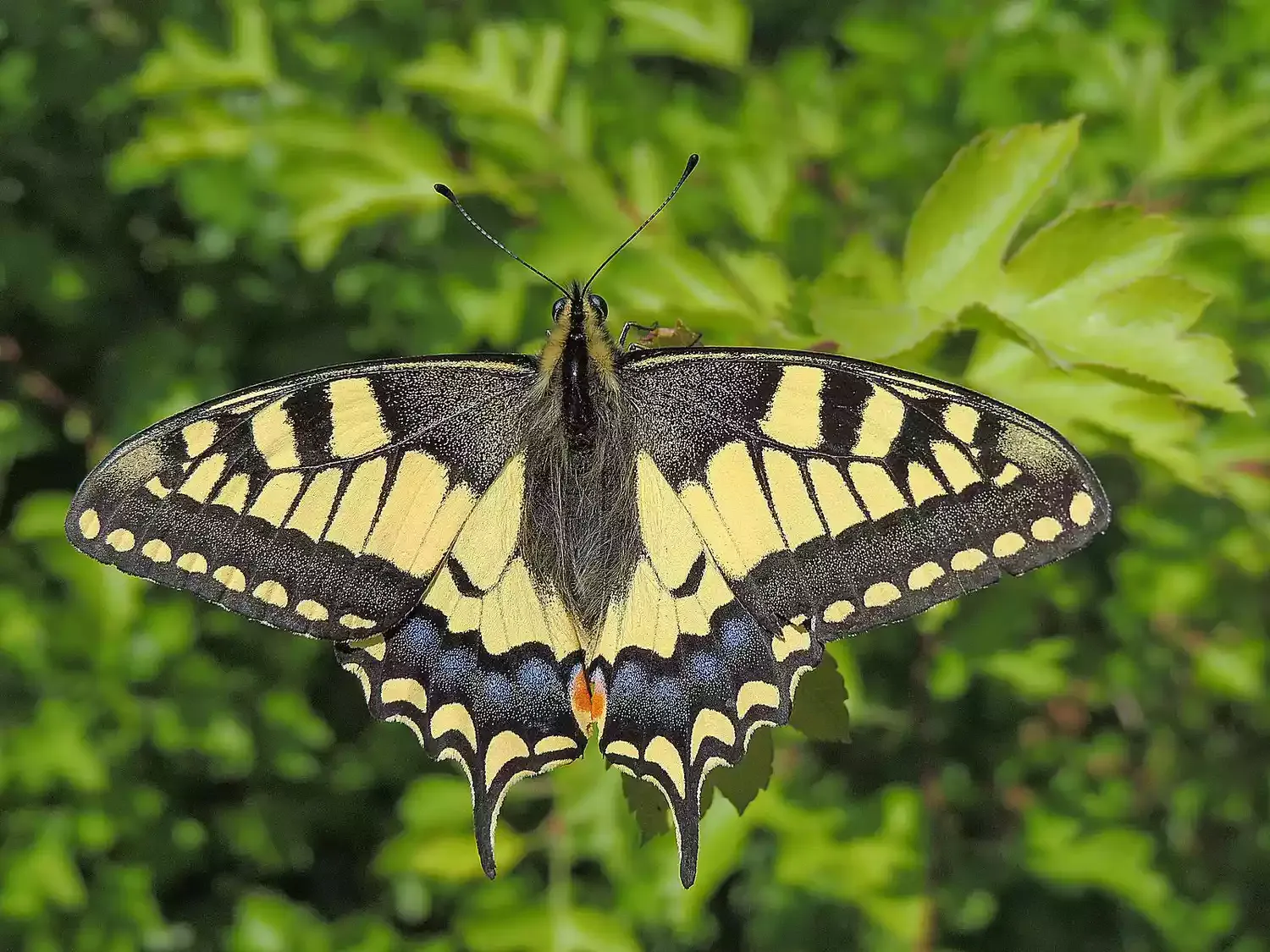
If you are just getting started with butterfly identification, swallowtails are one of the easiest groups to recognize. Many species in this family have long tail-like extensions on their hindwings, which give them their name.
These butterflies are often medium to large in size, and many of them have bold, high-contrast markings that make them stand out. Black swallowtails, tiger swallowtails, giant swallowtails, and zebra swallowtails all belong to this group.
That said, not every swallowtail has obvious tails, so it is best to use more than one feature when identifying them. Look at the size, the overall wing pattern, and the shape of the hindwings together.
Swallowtails are also the kind of butterflies that tend to stay in your memory. They are dramatic, elegant, and often the butterflies that make beginners want to learn more.
2. Brush-Footed Butterflies (Family Nymphalidae)
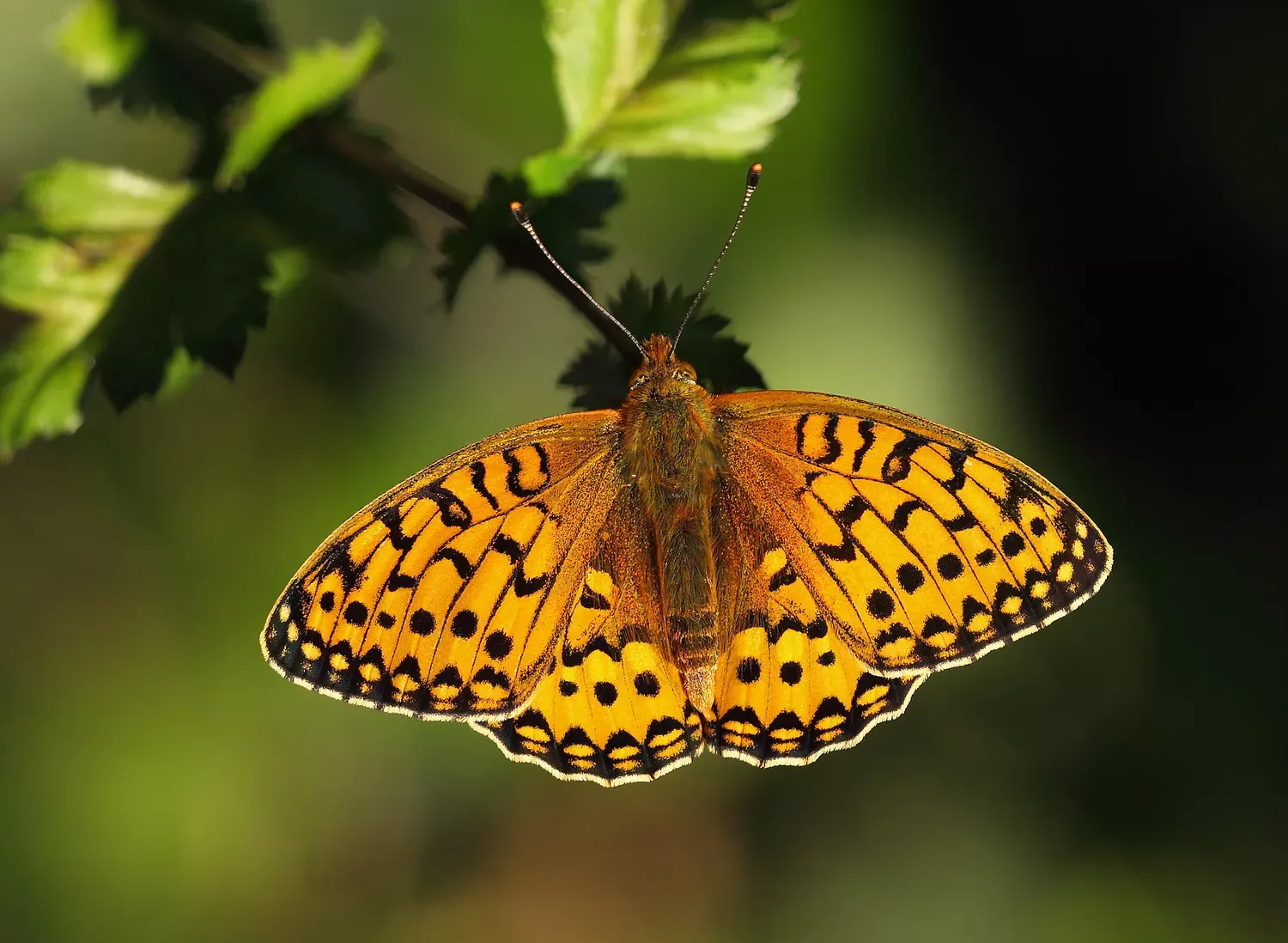
Brush-footed butterflies are the largest butterfly family in the world, and many of the most familiar butterflies belong here. Monarchs, admirals, crescents, checkerspots, commas, peacocks, and morphos are all part of this group.
Their most interesting feature is hidden in plain sight. Although they technically have three pairs of legs, the front pair is reduced and often held close to the body, making them appear to have only four walking legs. That is where the name “brush-footed” comes from.
This family includes an enormous range of colors and patterns, which means it is not always the easiest group for beginners. But once you learn to spot the reduced front legs, you will start recognizing brush-foots more often than you expect.
3. Whites and Sulphurs (Family Pieridae)
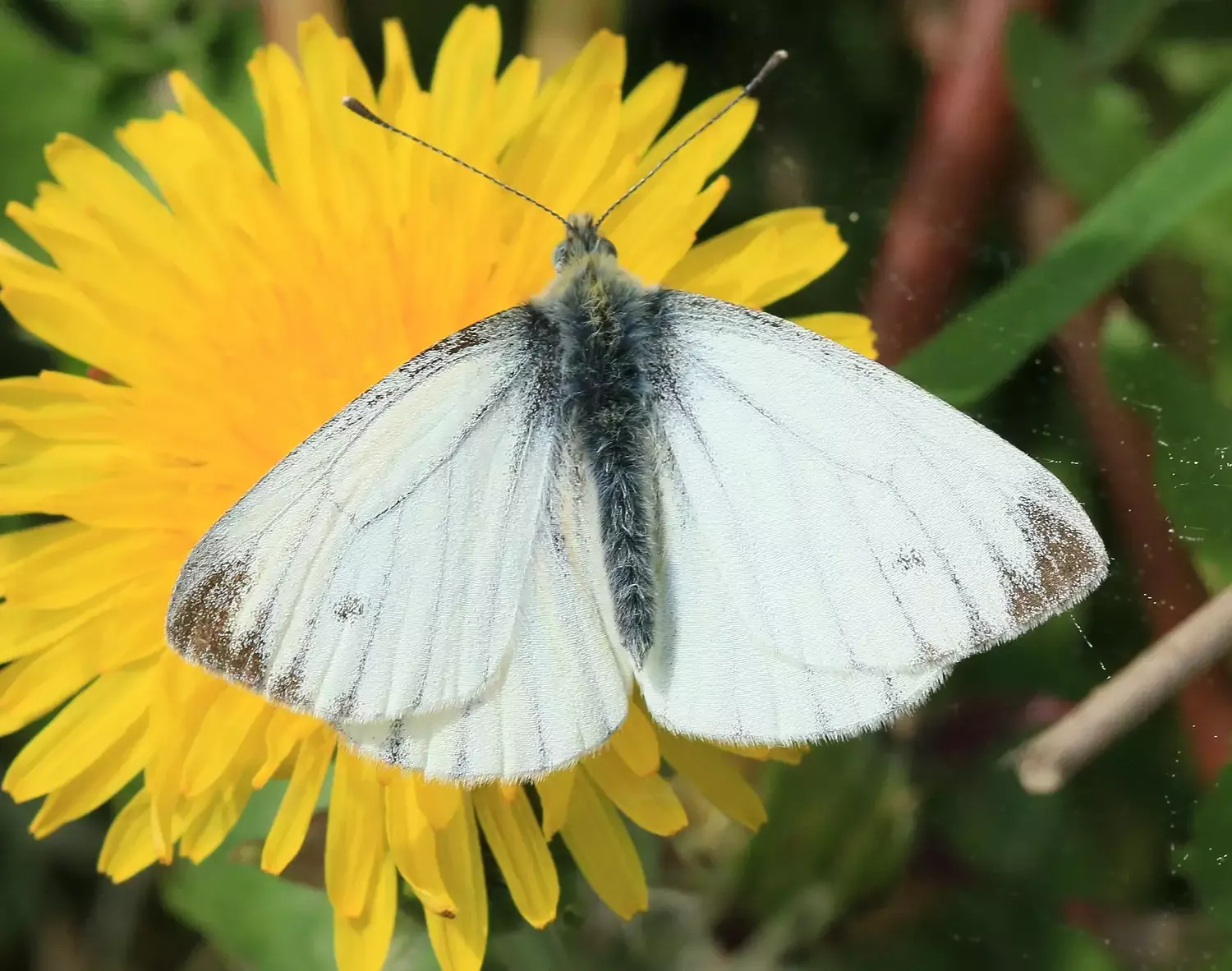
Whites and sulphurs are among the most common butterflies people see in backyards, parks, and open fields. They are usually small to medium in size, with pale white, cream, or yellow wings, often marked with black or orange details.
Compared with some other butterfly families, they can seem simple at first glance. But that simplicity is part of their charm. Their flight is bright, lively, and familiar, especially in sunny weather.
Cabbage whites are probably the best-known members of this group for many gardeners. Cloudless sulphurs, with their clear yellow color and graceful movement, are another especially memorable example.
If you often notice small yellow or white butterflies moving quickly through flowers or vegetable patches, you are probably looking at members of this family.
4. Gossamer-Winged Butterflies (Family Lycaenidae)
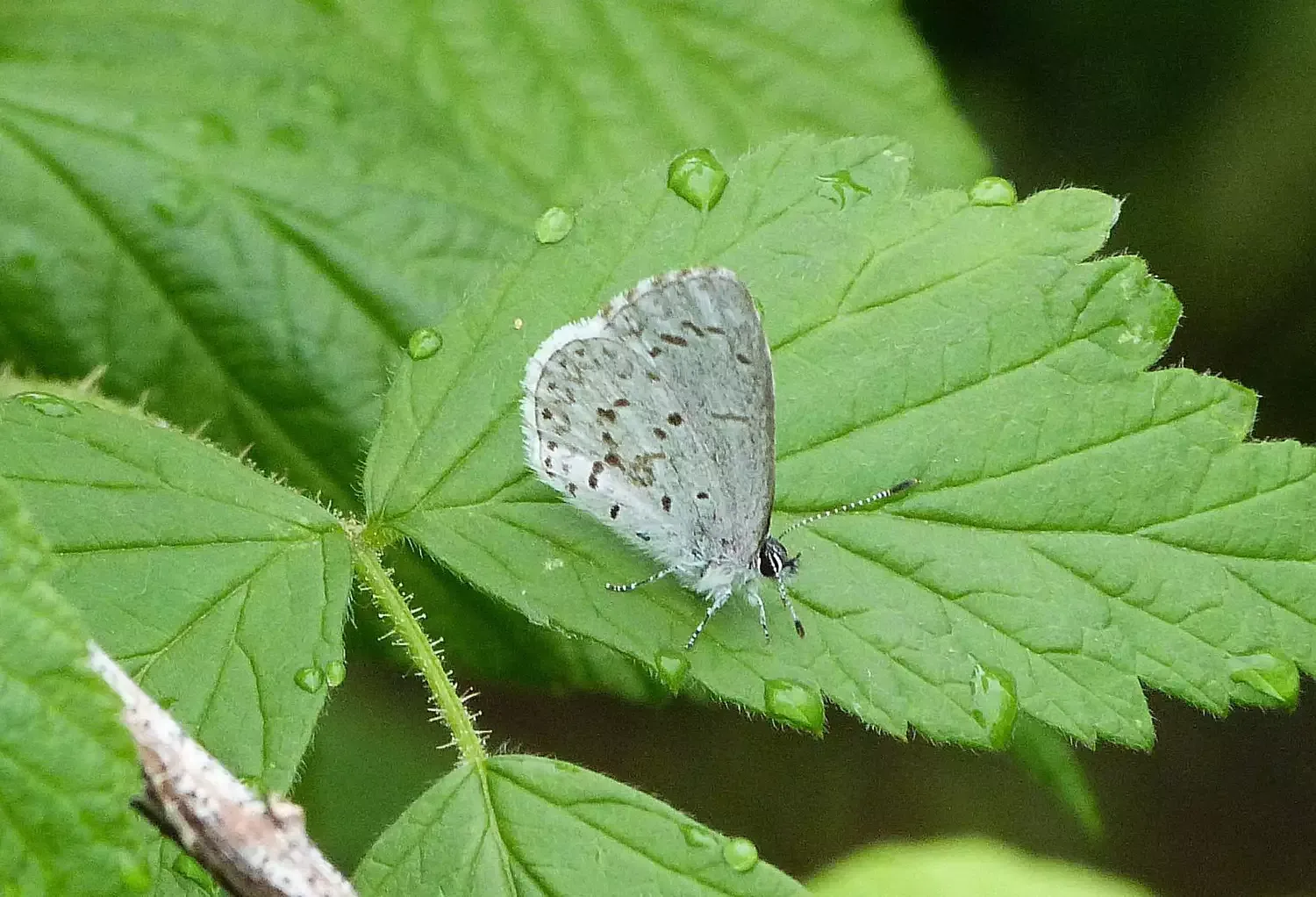
This group includes the blues, coppers, and hairstreaks, and for many people, it is where butterfly identification starts to get tricky. Gossamer-winged butterflies are usually very small, quick, and easy to miss if you are not paying attention.
Their name fits them beautifully. Their wings often look delicate, luminous, and almost sheer in bright light. Some flash brilliant blue when they move, while others show coppery or finely patterned undersides when resting.
These are the butterflies that reward patience. They may not make the same dramatic impression as a giant swallowtail, but when you see one up close, they often turn out to be some of the most intricate and lovely butterflies of all.
5. Metalmarks (Family Riodinidae)
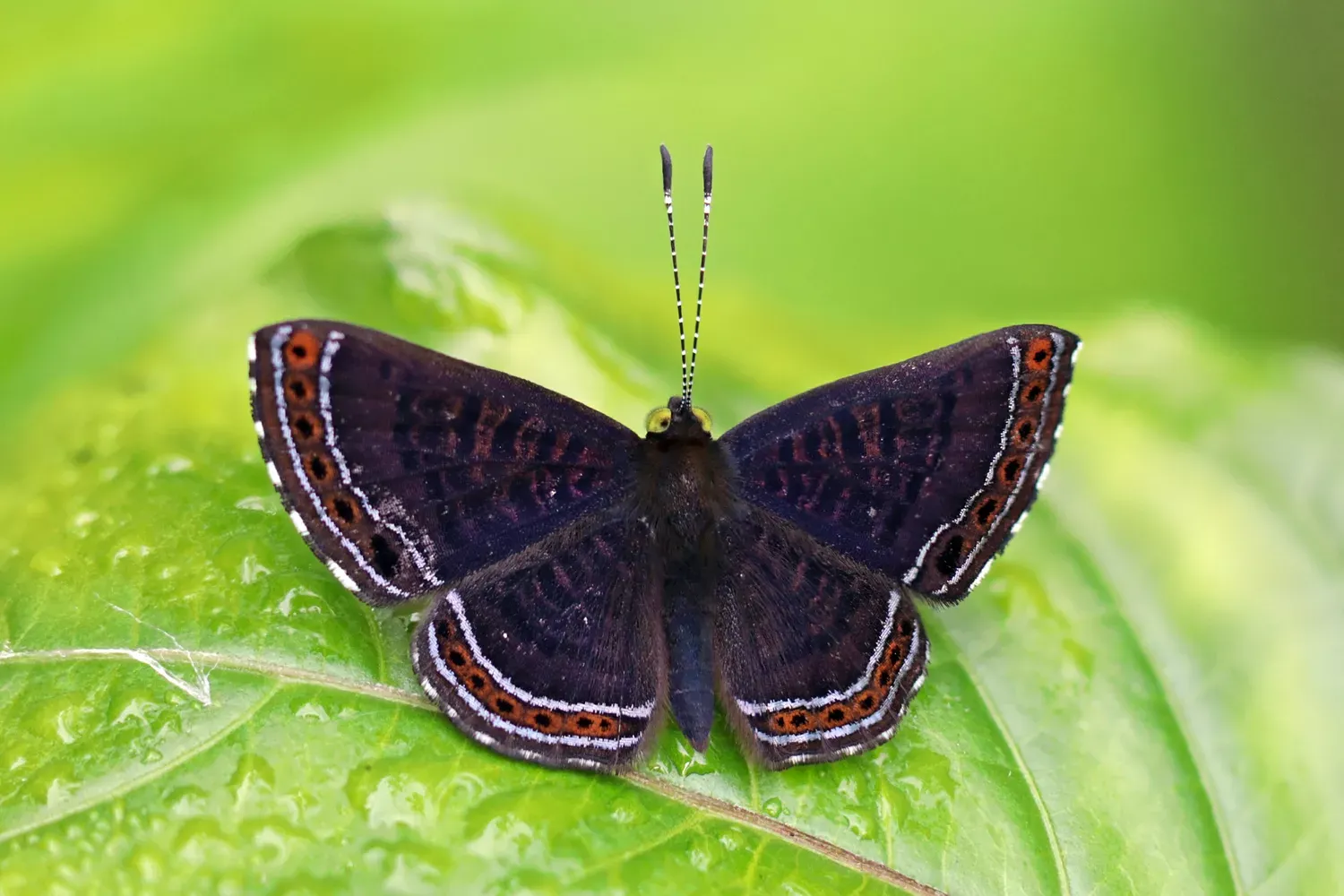
Metalmarks are less familiar to many casual butterfly watchers, partly because they are much more diverse in tropical regions than in North America. They are generally small to medium in size and often have metallic-looking spots or marks on their wings.
That hint of metallic shine gives them their common name and makes them especially distinctive when sunlight catches the wing surface just right.
They are not the butterflies most people learn first, but once you know they exist, they become one of those groups you hope to spot just because they feel a little different from the rest.
6. Skippers (Family Hesperiidae)
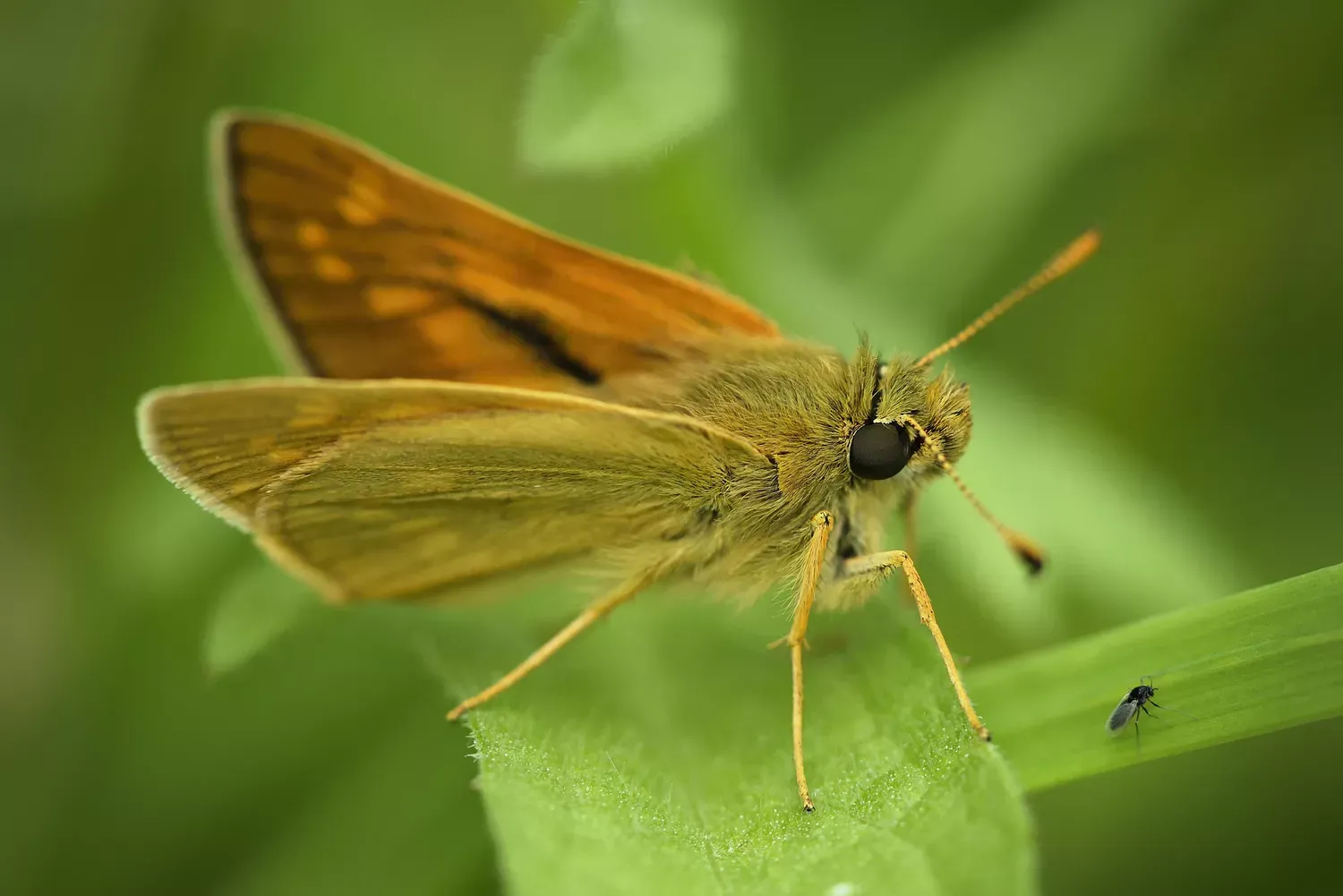
Skippers are often treated as a separate group from the so-called “true butterflies,” but they are still essential to understanding the main types of butterflies.
At first glance, skippers can seem halfway between butterflies and moths. They have sturdy bodies, fast, darting flight, and antennae that end in a hooked tip rather than the neat club shape seen in many other butterflies.
Their name suits them perfectly. They rarely float or glide in the graceful way many butterflies do. Instead, they zip, pause, and shift direction quickly, almost as if skipping from flower to flower.
Many skippers are brown, gray, or orange with fairly subtle markings, so they may not seem flashy at first. But they are full of personality, and once you start noticing them, they become surprisingly fun to identify.
11 Beautiful Types of Butterflies Worth Knowing
Once you have a feel for the main butterfly families, it becomes much easier to appreciate individual species. Here are some of the most fascinating and memorable butterflies to know in North America.
Monarch
The monarch is probably the most famous butterfly in the world, and for good reason. Its orange wings with black veins are instantly recognizable, but its migration is what truly sets it apart.
Generation after generation moves north in spring and summer, and then a later generation travels all the way south to overwinter in Mexico or along the California coast. That journey has made the monarch one of the most beloved butterflies anywhere.
It is also closely tied to milkweed, the host plant its caterpillars depend on.
Gulf Fritillary
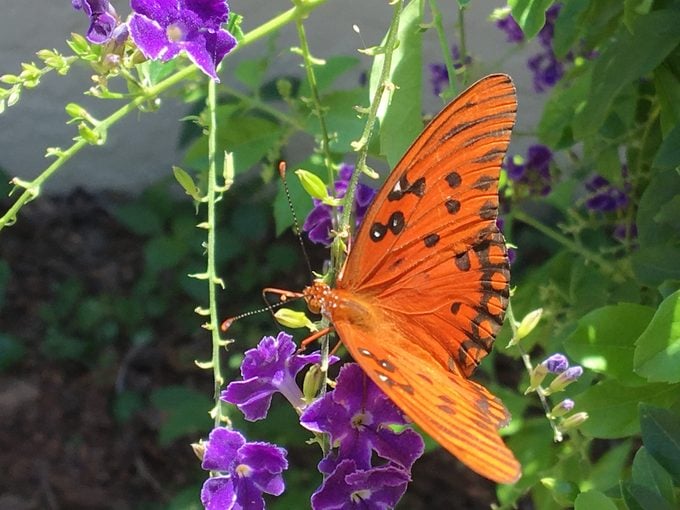
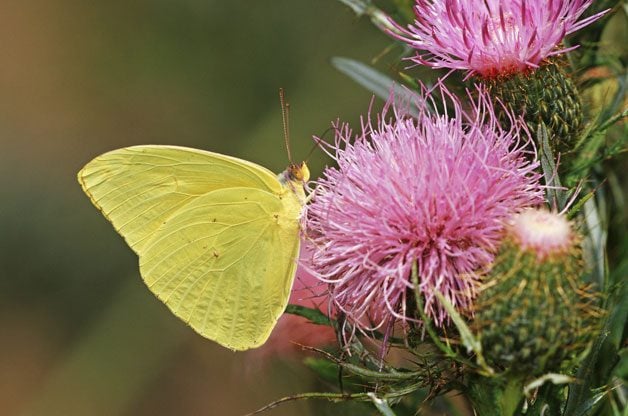
With its long wings, silvery spots, and orange-and-black patterning, the gulf fritillary is one of the most eye-catching butterflies in warm regions of North America.
It looks almost ornamental in flight, and it is especially rewarding for gardeners because it can be attracted by growing passion vine, which serves as its host plant.
Cloudless Sulphur
If you love bright yellow butterflies, the cloudless sulphur is one to remember. It is one of the larger sulphurs, and its clean color gives it a cheerful, unmistakable presence in open landscapes.
These butterflies are especially common in the South, but they often wander far north in late summer, making them a welcome surprise in places where they do not stay year-round.
Giant Swallowtail
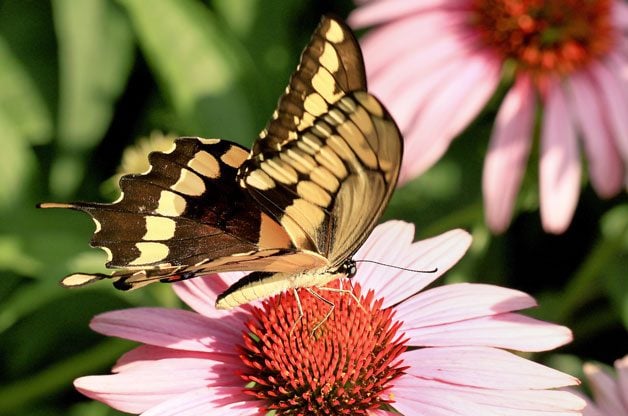
Usually considered the largest butterfly in North America, the giant swallowtail can span up to five inches across. It is a bold, impressive species and one of the easiest butterflies to remember once you have seen it.
Its caterpillars feed on plants in the citrus family, which is another useful clue for gardeners and butterfly watchers in the South.
Zebra Swallowtail
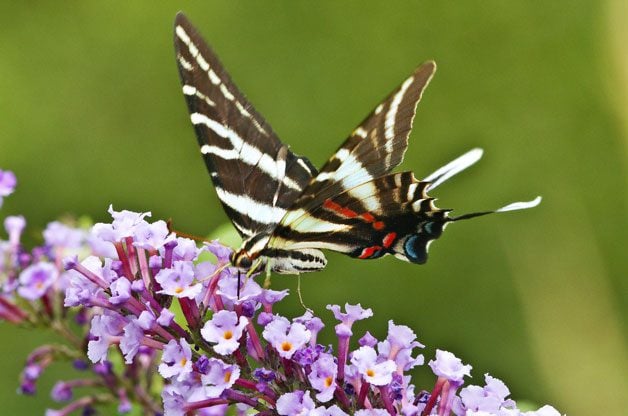
The zebra swallowtail is one of the most elegant butterflies in eastern forests. With its black-and-white striped pattern and long hindwing tails, it feels almost dreamlike in motion.
It is also strongly associated with pawpaw trees, which serve as the host plant for its caterpillars.
Western Pygmy Blue
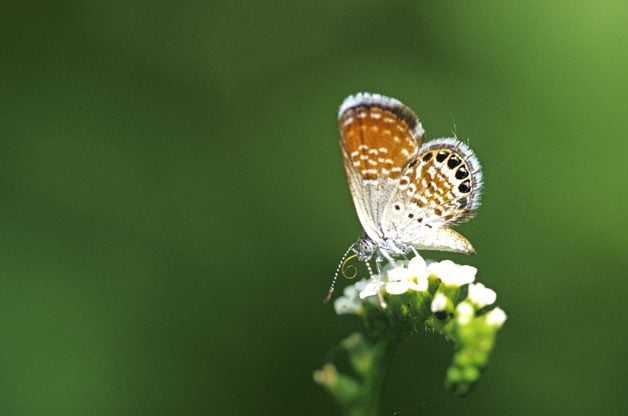
This tiny butterfly is often considered one of the smallest in North America, and its size alone makes it memorable. It is easy to overlook at first, but once you notice one, it feels almost unbelievable that something so small can still be such a complete butterfly.
Western pygmy blues are especially common in western and southwestern habitats, including deserts, salt marshes, and even vacant lots.
Harvester
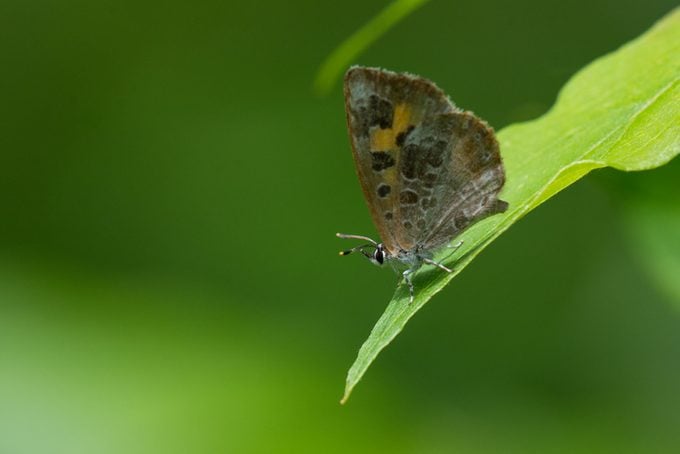
The harvester stands out for one very unusual reason: its caterpillars are carnivorous. Instead of feeding on leaves, they prey on aphids.
That alone makes this butterfly memorable, but it is also a good reminder that butterflies can be much stranger and more varied than most people expect.
Painted Lady
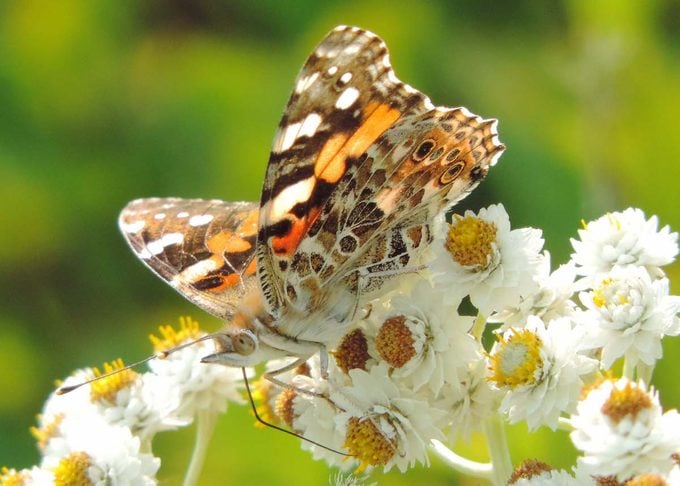
The painted lady is one of the most widespread butterflies in the world, found across six continents. In North America, it appears across a huge range, though not always in the same places at the same time.
Some years, painted lady movements become major migration events, with enormous numbers crossing open landscapes.
It is one of those butterflies that feels both familiar and extraordinary.
Mourning Cloak
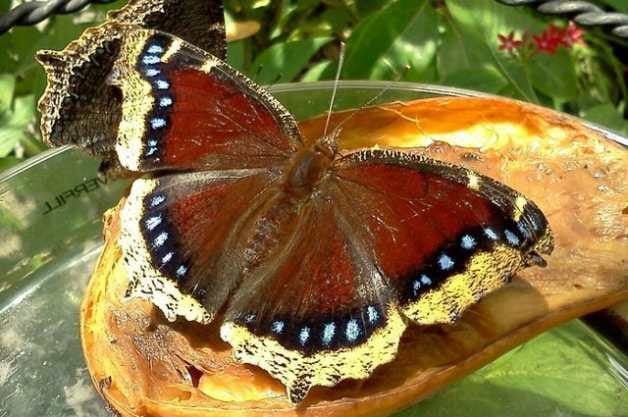
The mourning cloak is a large, distinctive butterfly with a dark wing surface edged in pale color. What makes it especially interesting is its ability to overwinter as an adult.
That means it can appear on surprisingly warm days in late winter or early spring, even when snow is still on the ground. Seeing one at that time of year can feel almost magical.
Malachite
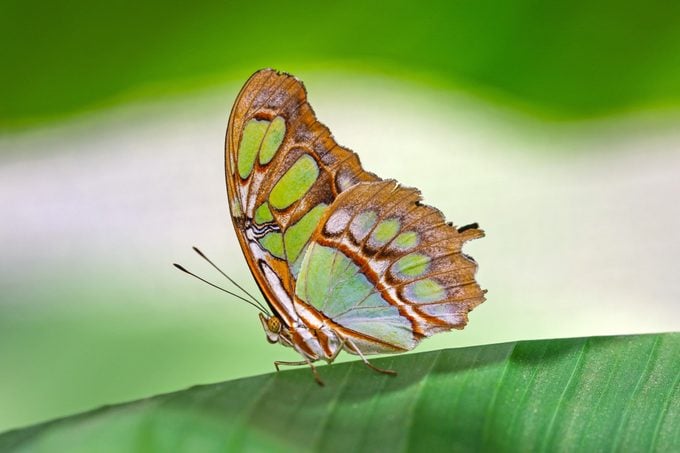
The malachite has a tropical look that is impossible to ignore. Its green and dark wing pattern has a stained-glass quality, and it appears mostly in southern Florida, with occasional appearances in southern Texas.
For many butterfly lovers, spotting a malachite feels like finding something exotic and unexpected.
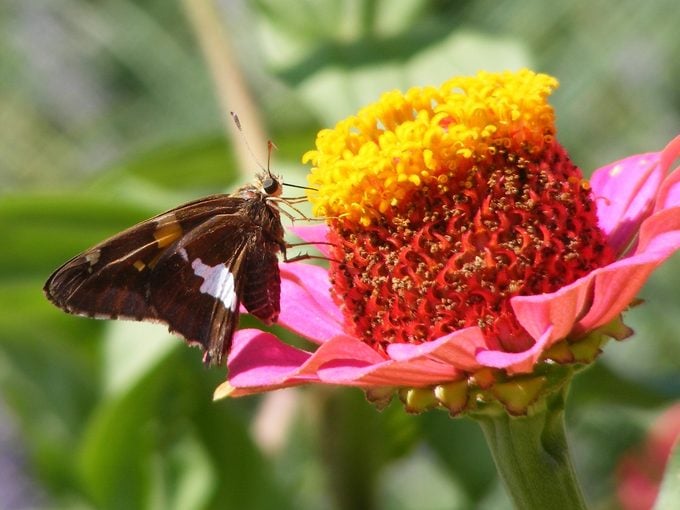
Great Purple Hairstreak
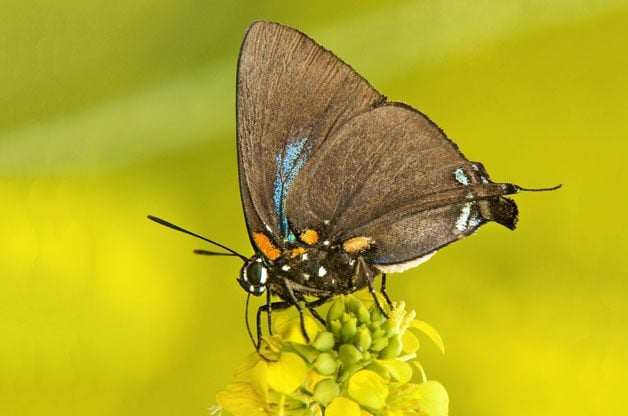
Despite the name, this butterfly does not look especially purple when at rest. But when it flies, flashes of iridescent blue can catch the light beautifully.
Like many hairstreaks, it rewards close attention. It may not be as famous as a monarch, but it leaves a strong impression once you learn to notice it.
How to Start Recognizing Different Types of Butterflies
If you want to get better at butterfly identification, keep things simple at first.
Start by asking:
- How big is it?
- Does it have tails on the hindwings?
- Are the wings mostly white, yellow, orange, blue, or dark?
- Does it glide, flutter, or dart quickly?
- Are the antennae clubbed or hooked?
- Where did you see it: garden, forest, wetland, desert, or open field?
These questions help you narrow down the family before you worry about the exact species.
It also helps to focus on the butterflies you see most often in your own area. Once those become familiar, you will start noticing details you used to miss.
Why the Different Types of Butterflies Matter
Learning butterfly families and species is not just about names. It changes the way you see the landscape around you.
A patch of flowers becomes more than a garden border. A woodland path becomes a place to look for swallowtails or mourning cloaks. Even a small backyard can start to feel full of life once you notice which butterflies pass through and why.
Butterflies also tell us something about habitats, seasons, and plant relationships. The more you learn about them, the more connected the natural world begins to feel.
Final Thoughts on Types of Butterflies
The world of butterflies is much richer than it first appears. At a glance, they may seem like flashes of color passing through sunlight. But once you start learning the main types of butterflies, you begin to notice patterns, families, behaviors, and stories.
That is what makes butterfly watching so satisfying. You do not need to know everything at once. You only need a place to start.
And usually, that start is simple: learn the six families, remember a few standout species, and keep looking.
FAQ
How many main types of butterflies are there?
A simple way to begin is by learning the six main butterfly families: swallowtails, brush-footed butterflies, whites and sulphurs, gossamer-winged butterflies, metalmarks, and skippers.
What is the easiest butterfly family for beginners to recognize?
Swallowtails are often the easiest for beginners because many species are large, striking, and have tail-like extensions on their hindwings.
Are skippers real butterflies?
Yes, skippers are butterflies, although they are sometimes treated as a separate group because of their sturdy bodies, hooked antennae, and fast flight.
What is the most famous butterfly in North America?
The monarch is usually the most famous, largely because of its distinctive orange-and-black wings and its remarkable migration.
Why are some butterflies harder to identify than others?
Small size, fast flight, similar patterns, and subtle color differences can make some butterflies difficult to identify, especially among blues, hairstreaks, and skippers.
What is the best way to learn butterfly identification?
Start with the butterfly families first, then learn a few common species in your region. Looking at wing shape, size, color, flight style, and habitat makes identification much easier over time.