
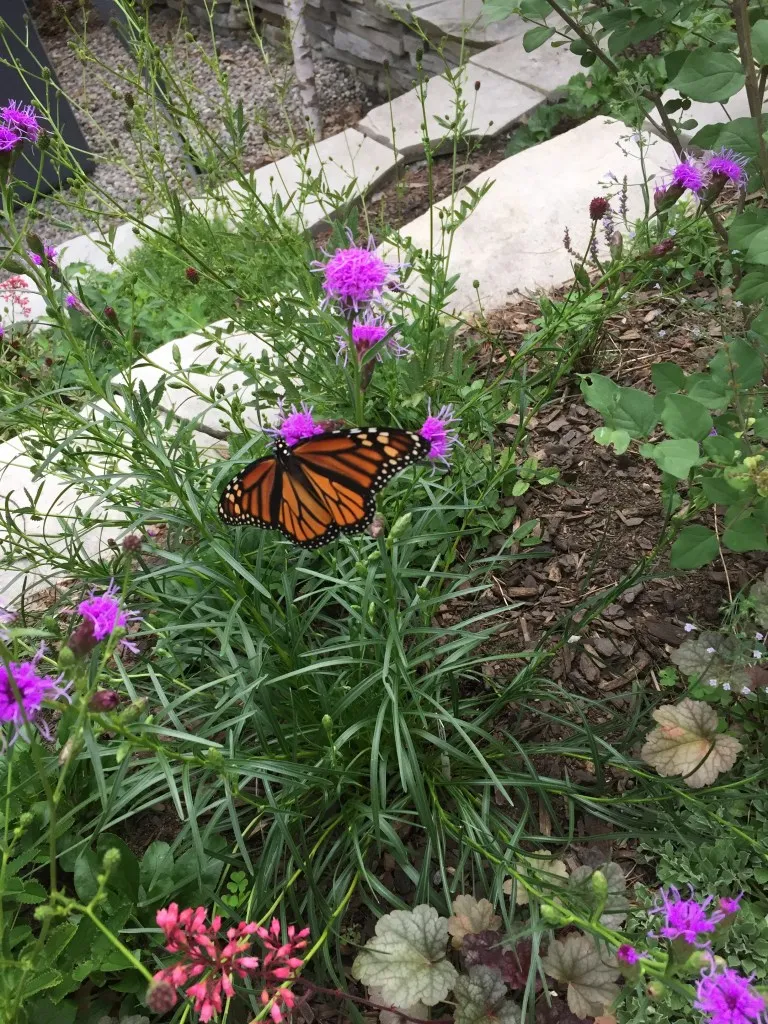
If you want to see more butterflies in your garden, nectar flowers are only part of the story. The real secret is butterfly host plants.
These are the plants where butterflies lay their eggs and where caterpillars do their most important feeding. Without them, a garden may attract a few adult butterflies for a quick visit, but it will not support the next generation. Once you begin planting with the full butterfly life cycle in mind, your garden starts to feel different. It becomes less like a display and more like a living habitat.
That shift changes everything. You stop seeing a leaf with holes as damage and start seeing it as proof that your garden is doing exactly what it should.
Why butterfly host plants matter
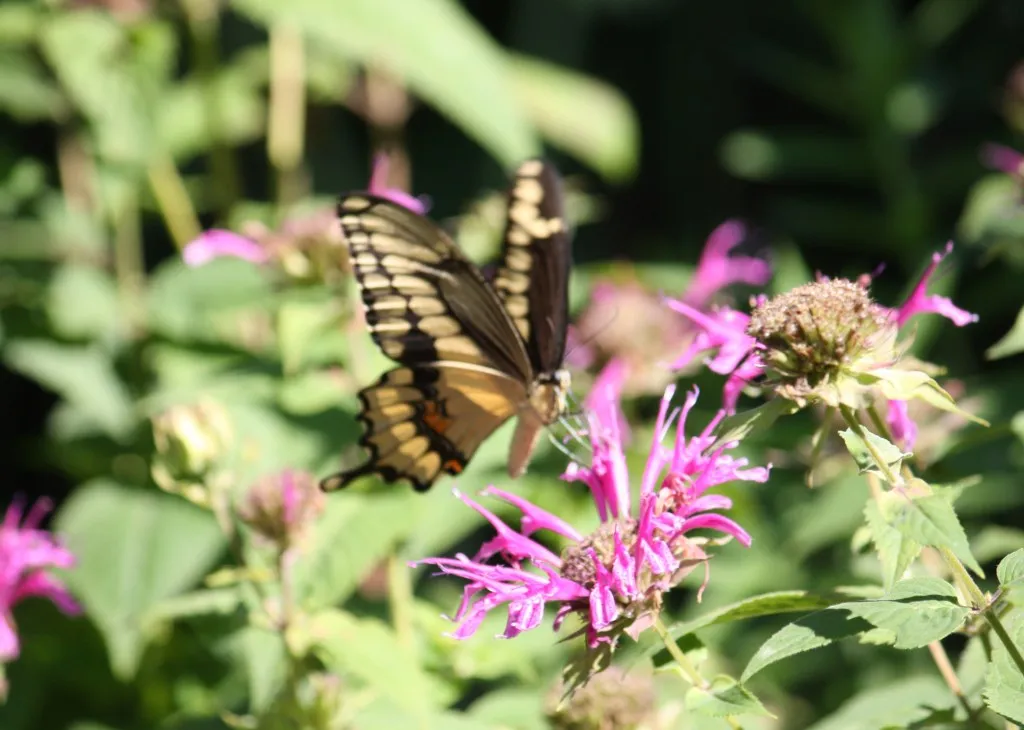
Butterflies need two kinds of plants: nectar plants for the adults and host plants for their caterpillars. Most gardeners know the first part. Bright, nectar-rich flowers bring in adults during the growing season. But many butterfly species are very selective about where they lay eggs, and the caterpillars that hatch often feed on only one plant family, or even a single type of plant.
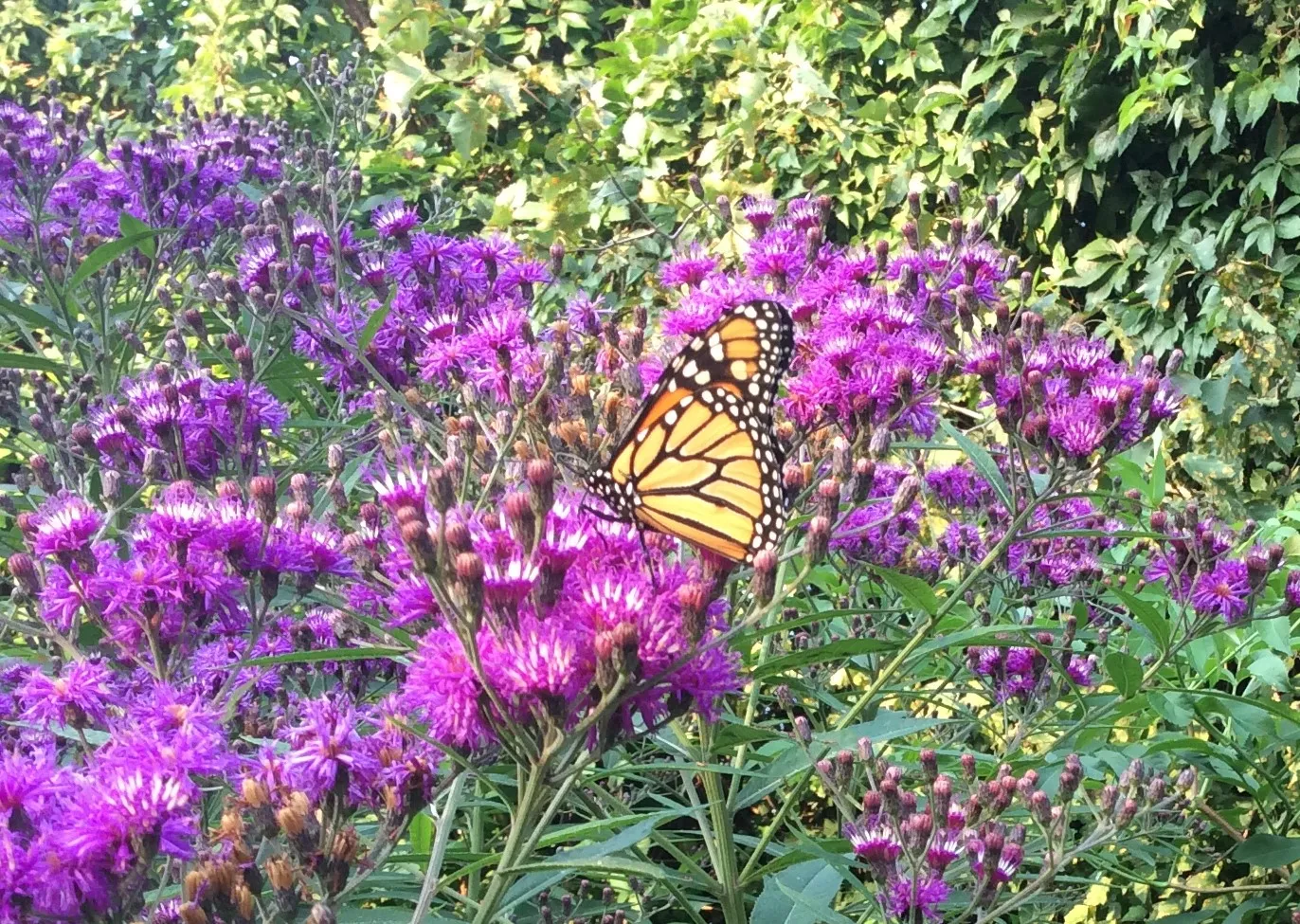
The monarch is the best-known example. Monarch caterpillars need milkweed. No milkweed, no monarch larvae. That same pattern appears again and again across butterfly species. Fritillaries rely on violets. Spicebush swallowtails need spicebush. Zebra swallowtails depend on pawpaw. Black swallowtails often use dill, fennel, parsley, and related plants.
So if your goal is to create a true butterfly garden, host plants are not optional. They are the foundation.
Butterfly host plants vs. nectar plants
This is where many gardens fall a little short. A yard can be full of beautiful blooms and still offer almost no place for butterflies to reproduce.
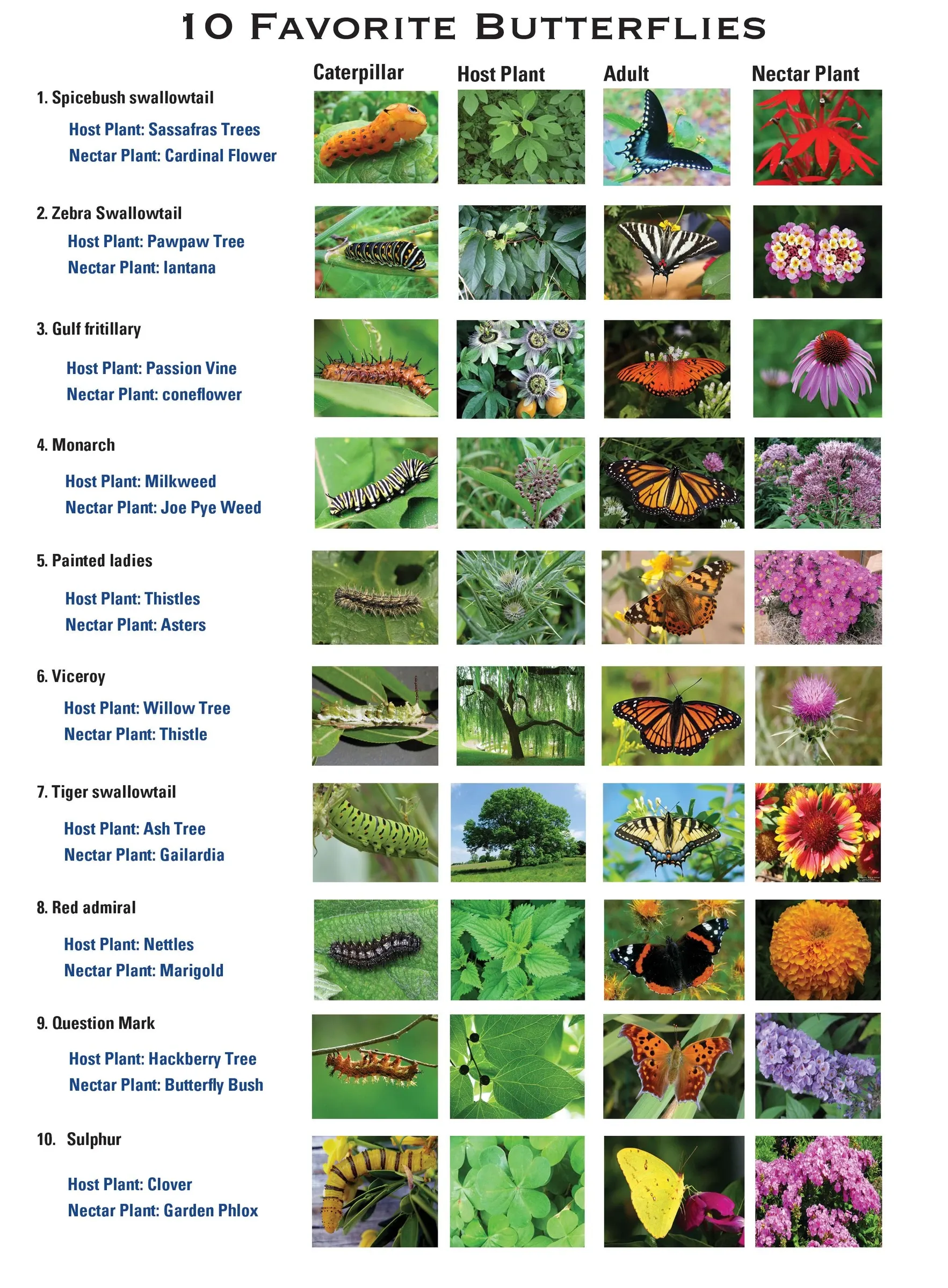
Nectar plants feed adult butterflies. Host plants feed caterpillars.
Both matter, but they play different roles. Adult butterflies may drift through for a drink, yet they will stay and breed only when the right host plants are nearby. That is why a garden with both host and nectar plants often attracts more species and feels more alive over time.
It also helps explain why butterfly gardening can look slightly messier than ornamental gardening. Caterpillars chew leaves. Some stems look ragged. A few plants may look as though something has been dining there, because something has. That is not failure. That is habitat.
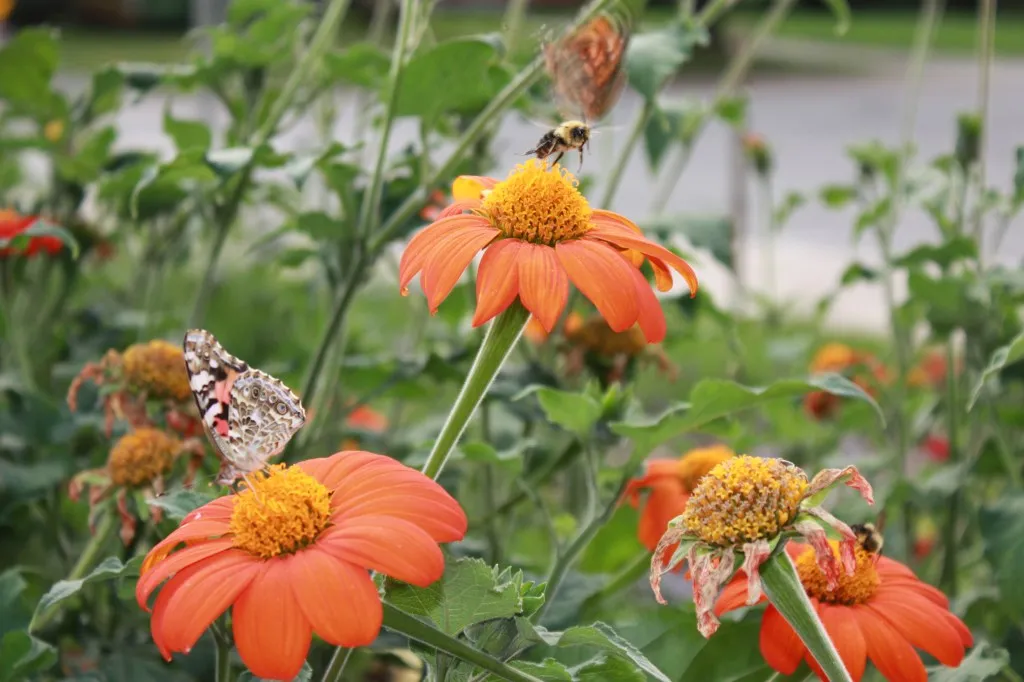
The best butterfly host plants to grow in a home garden
The best butterfly host plants depend on where you live, but some are especially valuable in many North American gardens. Native species are usually the strongest starting point because they evolved alongside local butterflies and tend to support more wildlife overall.
Milkweed
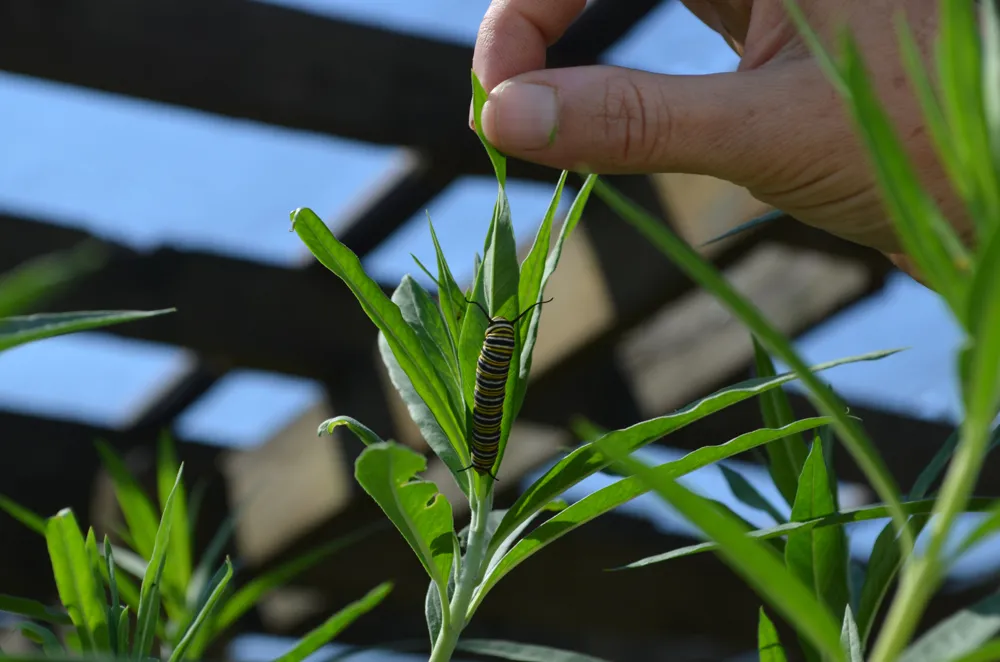
Milkweed is essential for monarchs and one of the most important butterfly host plants you can grow. Common milkweed, swamp milkweed, and butterfly weed are all popular choices, depending on region and soil conditions.
Beyond monarch caterpillars, milkweed flowers also provide nectar for many pollinators. It is one of those rare plants that works hard at multiple stages of the season.
Violets
If you love fritillaries, plant violets. They are easy to overlook because they can be small and understated, but they are valuable host plants and often fit naturally into woodland edges, under shrubs, or semi-shaded borders.
Asters
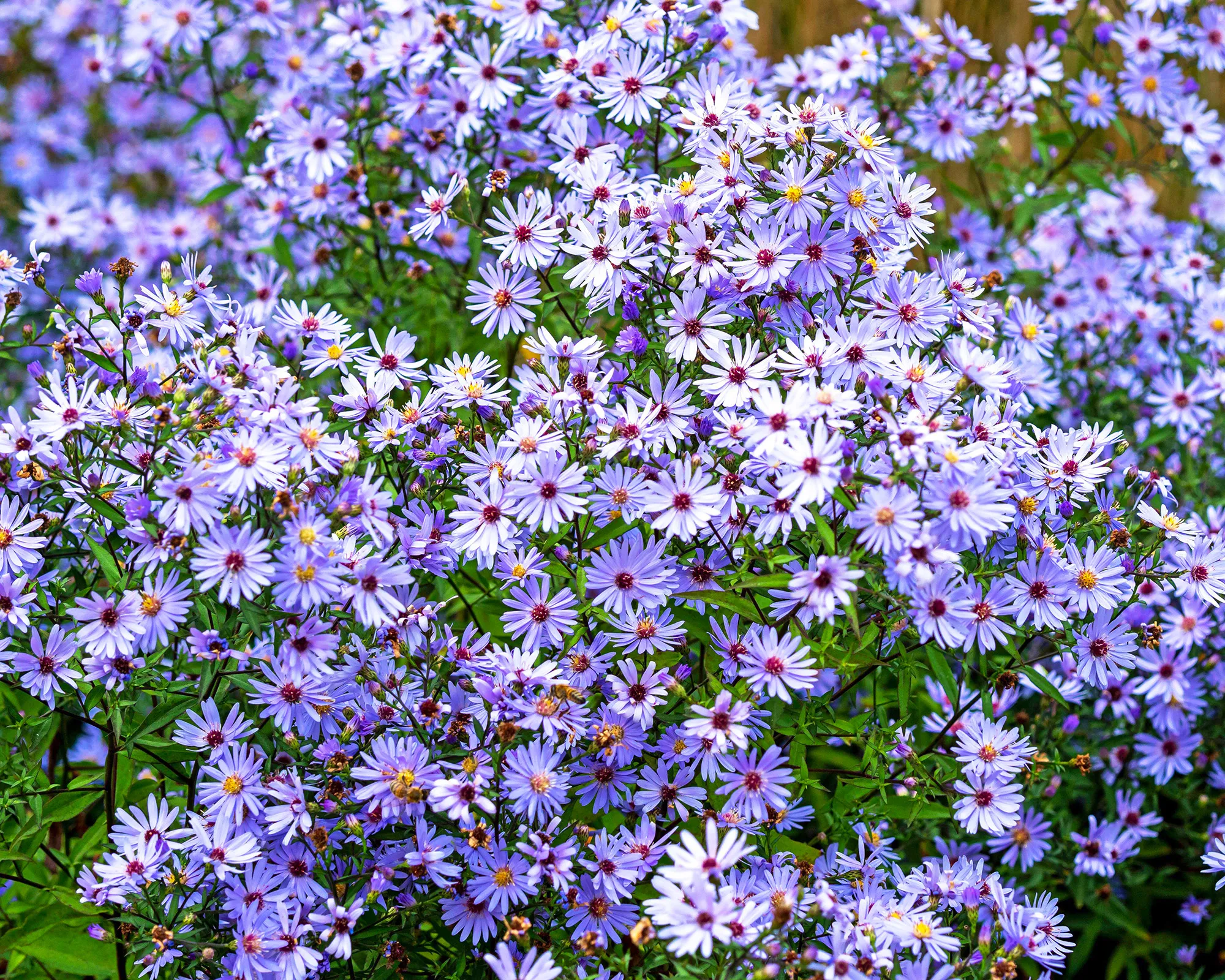
Asters are especially useful because they do double duty. They serve as host plants for some butterfly species and also provide late-season nectar when many other flowers are fading. That late bloom period can make a surprising difference in keeping the garden active into fall.
Spicebush
Spicebush is one of the most beautiful native shrubs for butterfly gardening. It hosts spicebush swallowtail caterpillars and brings structure, fragrance, and seasonal interest to the landscape. In the right setting, it feels both wild and elegant.
Pawpaw
Pawpaw is the classic host plant for zebra swallowtails. If you have the space and the right climate, it is one of the most rewarding native trees or large shrubs to include. It also adds an unusual, almost tropical texture to the garden.
Dogwood, viburnum, willow, and cherry
These shrubs and trees are easy to underestimate, but many support spring azures, red-spotted purples, tiger swallowtails, mourning cloaks, and other species. They also help connect your butterfly garden to the larger ecology of the yard.
A butterfly garden should not be thought of only in terms of flower beds. Trees and shrubs may be doing some of the most important work.
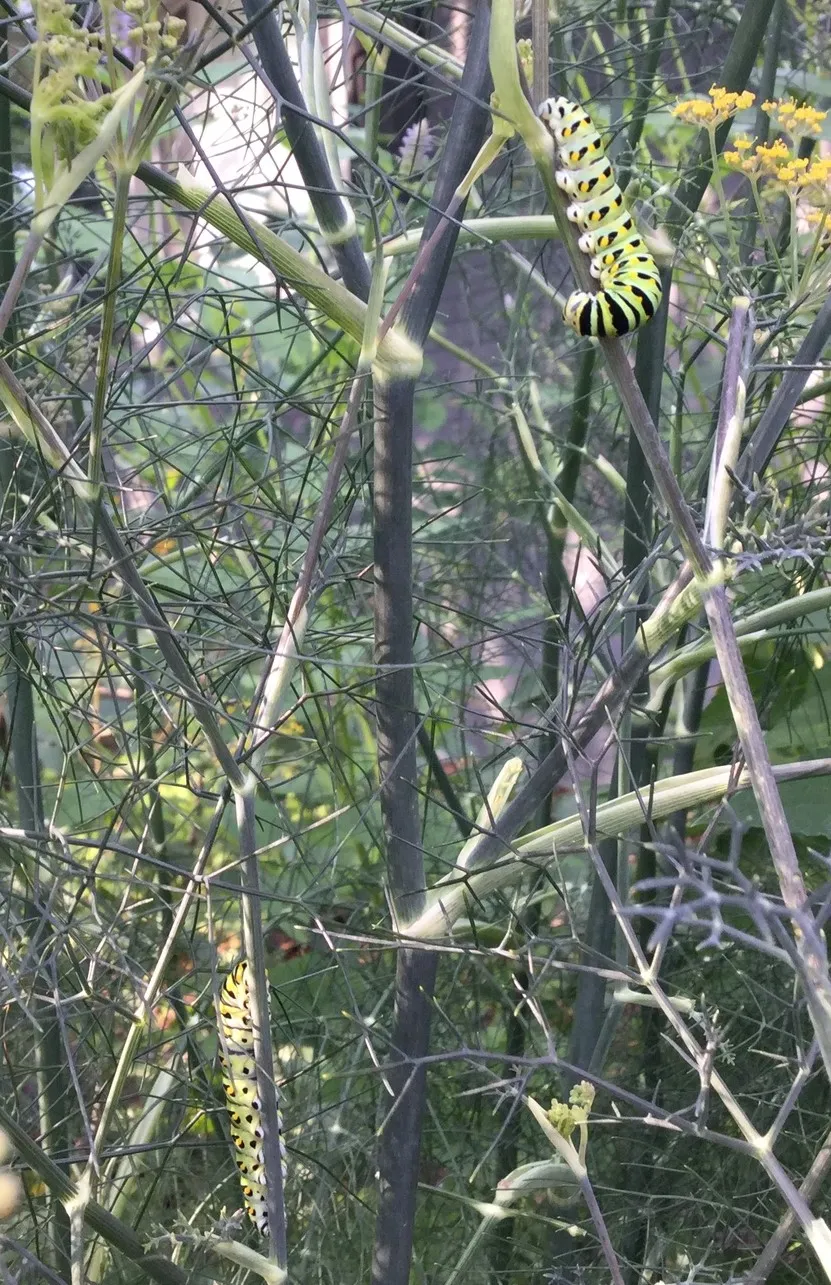
Dill, fennel, and parsley
These are especially useful for black swallowtails and are a favorite among home gardeners because they combine wildlife value with kitchen value. They are not always native, but they are practical, easy to grow, and often a great introduction to host-plant gardening.
Many people first notice the whole idea of butterfly host plants when they find black swallowtail caterpillars on their herbs.
Native trees are the overlooked heroes of butterfly gardening
If there is one thing more gardeners should know, it is this: native trees and shrubs can be extraordinary host plants.
Oaks, willows, cherries, birches, hackberries, and other native woody plants support an astonishing number of moth and butterfly larvae. Even if your garden space is small, a single native tree can do more ecological work than an entire bed of decorative annuals.
That does not mean every yard needs a forest. It simply means that if you have room for one well-chosen native tree or shrub, it can become the backbone of your wildlife garden. A hackberry, for example, can host several butterfly species. Willows are another strong choice in the right setting. Oaks, where practical, are among the most powerful plants you can add for biodiversity.
How to choose butterfly host plants for your region
This is the part that matters most. The “best” butterfly host plants are not the same everywhere.
A plant that supports butterflies in Ontario may not be the ideal choice in the Mid-Atlantic, and a great plant for Florida may do very little in a northern climate. That is why local native plant lists, regional butterfly guides, and native plant societies are so useful.
When choosing plants, keep these points in mind:
- Start with species native to your area.
- Match plants to your site conditions, including sun, moisture, and soil.
- Include a mix of trees, shrubs, perennials, and grasses.
- Plant for the full season, not just spring or summer.
- Avoid insecticides, especially near caterpillar host plants.
Even a small garden can make a difference when the plants are chosen well.
What to expect after planting butterfly host plants
One of the biggest mindset shifts in butterfly gardening is learning to welcome signs of feeding.
Caterpillars eat leaves. That is the point. A host plant with chewed edges is not ruined. It is being used. If you prefer a tidier look, place host plants toward the back of a border, along a fence, or in a naturalized corner where a little leaf damage feels more acceptable.
It is also worth remembering that not every caterpillar survives. Many become food for birds and other wildlife. That may feel disappointing at first, but it is part of a healthy ecosystem. Butterfly gardening supports more than butterflies alone.
A simple way to build a better butterfly garden
A good butterfly garden does not need to be large or complicated. It just needs to be intentional.
Start with one or two host plants for caterpillars and pair them with nectar plants for adults. Add a shallow water source, avoid pesticides, and let parts of the garden stay a little softer and less controlled. Over time, increase diversity with shrubs, native grasses, and perhaps one small tree.
That is often when the real magic begins. More species appear. More life stages become visible. You stop seeing only butterflies and begin noticing eggs, caterpillars, chrysalises, moths, birds, and all the subtle relationships that tie them together.
Final thoughts on butterfly host plants
Butterfly host plants turn a pretty garden into a functioning one.
They give butterflies a place not just to visit, but to begin again. And once you start gardening with that idea in mind, the whole space feels richer. A patch of milkweed becomes more than a plant. A violet becomes more than ground cover. A native shrub becomes a nursery, a shelter, and part of a much larger story.
If you want more butterflies in your yard, do not stop at flowers. Plant for the caterpillars too.
FAQ
What are butterfly host plants?
Butterfly host plants are the specific plants that butterflies lay eggs on and that their caterpillars feed on after hatching. They are essential for supporting the butterfly life cycle.
Are nectar plants and host plants the same?
No. Nectar plants feed adult butterflies, while host plants feed caterpillars. A strong butterfly garden should include both.
What is the best host plant for monarch butterflies?
Milkweed is the essential host plant for monarch caterpillars. Without milkweed, monarchs cannot complete their life cycle.
Should I plant only native butterfly host plants?
Native plants are usually the best choice because they support local butterfly species and fit local growing conditions. Some non-native plants, such as dill, fennel, and parsley, can still be useful for certain butterflies like black swallowtails.
Is it normal for host plants to look chewed?
Yes. That is a sign caterpillars are feeding. In a butterfly garden, leaf damage on host plants is usually a good thing.
Can I grow butterfly host plants in a small yard?
Absolutely. Even a small garden, patio border, or side bed can support butterflies if you choose the right plants for your region and avoid pesticides.
Do trees count as butterfly host plants?
Yes. In fact, many native trees and shrubs are among the most valuable host plants for butterflies and moths. Oaks, willows, cherries, dogwoods, and hackberries can support a wide range of species.