The Painted Lady butterfly is one of those insects that seems to appear almost everywhere, and for good reason. Known for its warm orange wings, black markings, and remarkable endurance, this butterfly is one of the most widespread species in the world. It is also one of the most fascinating to watch, especially during migration season, when large numbers can move across entire regions in a surprisingly graceful flow.
If you have ever spotted a bright orange butterfly fluttering low over a garden, roadside flowers, or open grassland, there is a good chance it was a Painted Lady. Beyond its beauty, this species stands out for its adaptability, broad diet, and an impressive life cycle that repeats across multiple generations each year.
What Is a Painted Lady Butterfly?
The Painted Lady butterfly belongs to the family Nymphalidae, a large group often called the brush-footed butterflies. Members of this family have reduced forelimbs covered with sensory hairs, which help them interact with their surroundings and locate suitable plants for laying eggs.
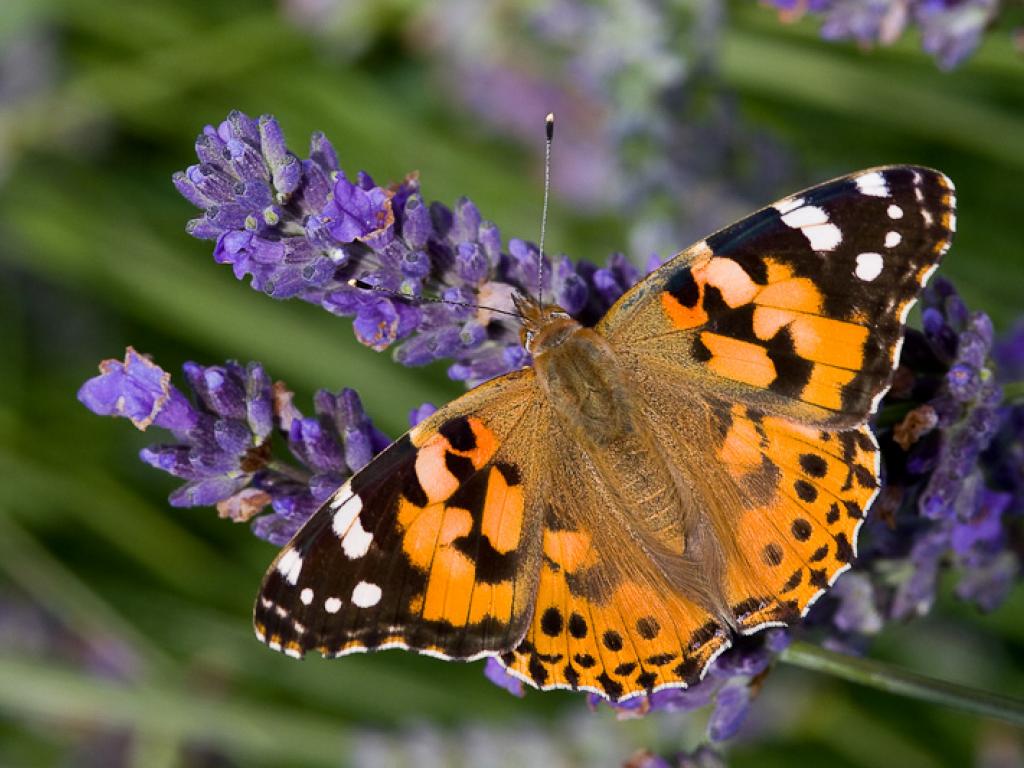
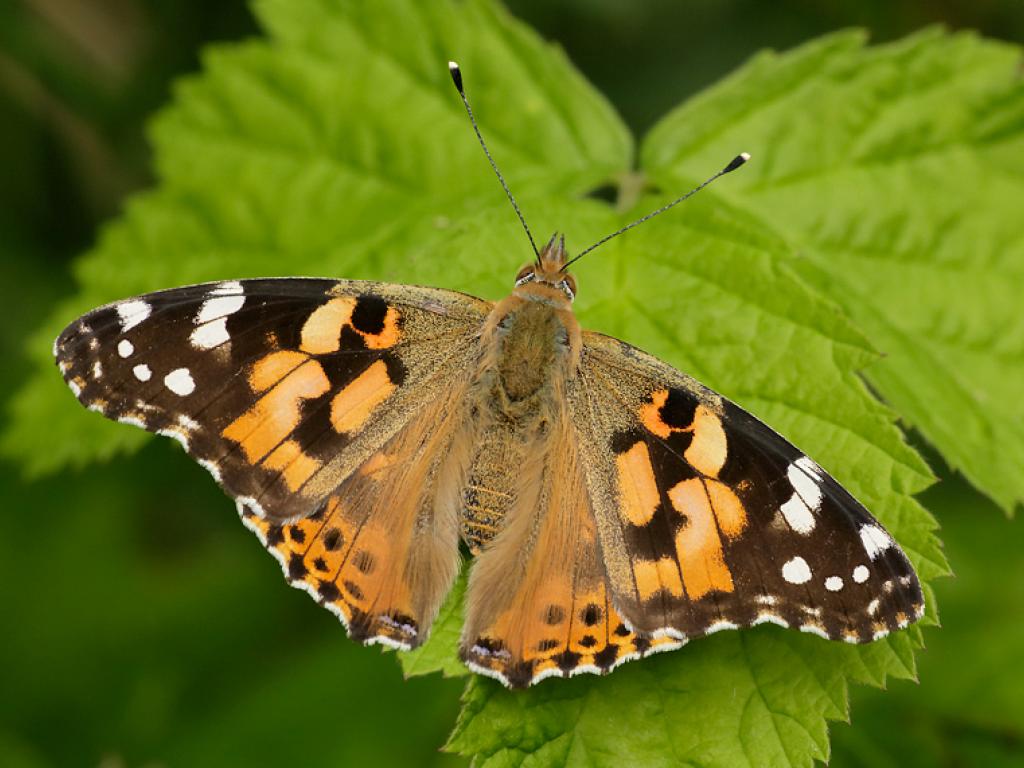
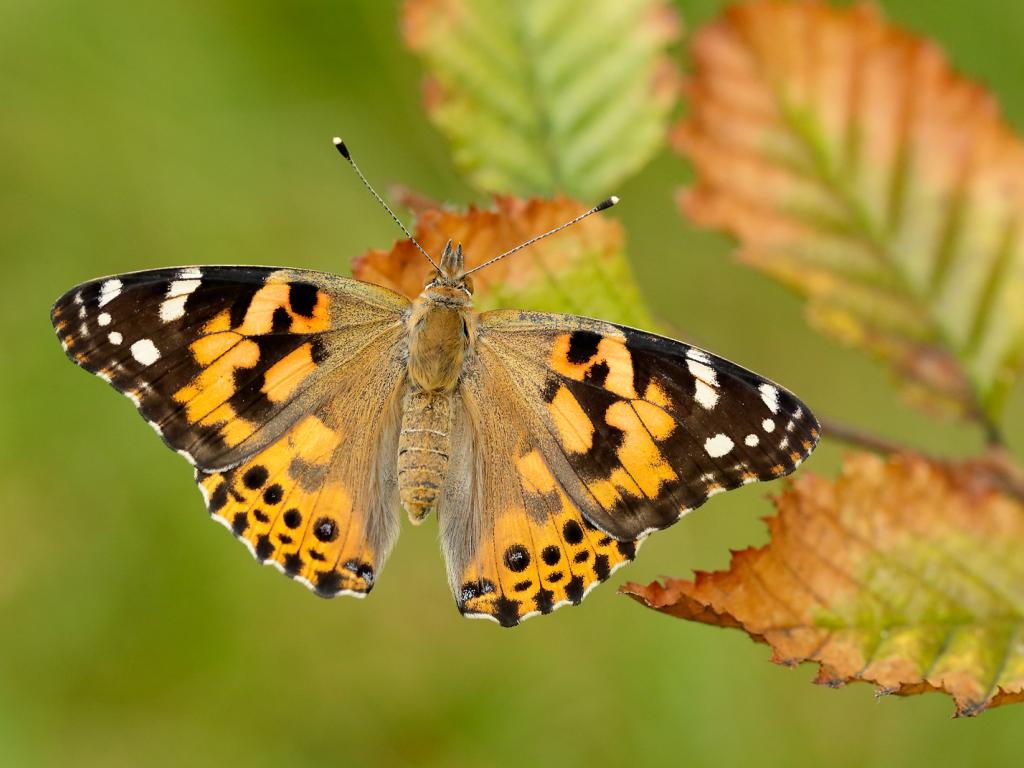
Painted Ladies are medium-sized butterflies with a wingspan of about 50 to 56 mm. Their upper wings are orange-brown with black and white markings, giving them a bold but elegant appearance. Although common in many places, they never feel ordinary once you start paying attention to their movement, coloration, and seasonal patterns.
Painted Lady Butterfly Habitat
The Painted Lady butterfly habitat is surprisingly broad. This species does well in dry open areas, but it can also be seen in gardens, meadows, roadsides, parks, farmland edges, and other flower-rich places. In good migration years, it seems to turn up almost everywhere.
One reason for this wide distribution is flexibility. Painted Ladies are not tied to just one narrow habitat type. As long as there are nectar sources for adults and host plants for caterpillars, they can make use of a range of environments. That adaptability helps explain why they are found across much of the world and why they can recolonize new regions so successfully.
Painted Lady Butterfly Migration
The Painted Lady butterfly migration is one of the most impressive insect movements in the world. In Britain and Ireland, this species is famous for its long-distance northward spread from North Africa, the Middle East, and central Asia, eventually reaching mainland Europe and then farther north.
In North America, Painted Ladies are also known for migration, often moving in a northwestern direction during spring. In some years, a return movement southward can be seen in autumn. What makes their journey even more interesting is that it does not always follow a perfectly fixed seasonal pattern. Weather systems, rainfall, and host plant availability may all influence where and when large movements occur.
Unlike larger migratory animals that make a round trip within one lifetime, Painted Lady butterflies complete these journeys over multiple generations. A full migration route may take around six generations to complete. That means the butterfly you see in one place may be part of a much longer story already unfolding across thousands of miles.
Painted Lady Butterfly Life Cycle
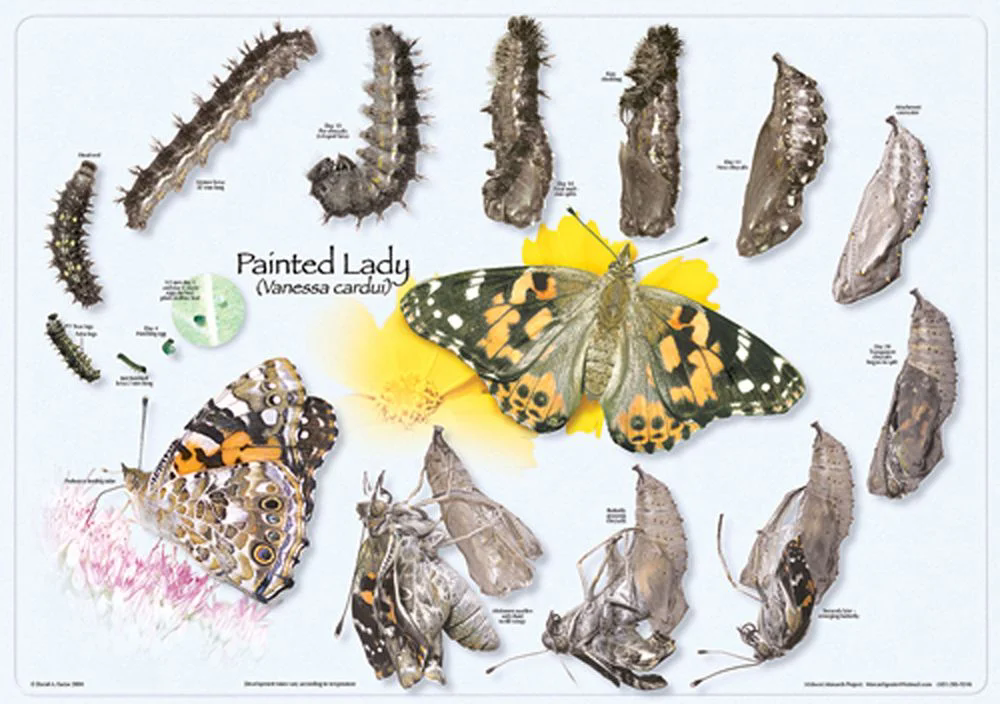
The Painted Lady butterfly life cycle has four main stages: egg, larva, pupa, and adult. In warm weather, the full cycle usually takes about 5 to 6 weeks, although timing can vary depending on temperature, food supply, and other environmental conditions.
Egg Stage
Female Painted Ladies lay small, greenish, barrel-shaped eggs on host plants. These eggs are often placed on leaves where the young caterpillars will have immediate access to food after hatching. This stage usually lasts 3 to 5 days, though some sources place it more broadly at 4 to 14 days.
Larva Stage
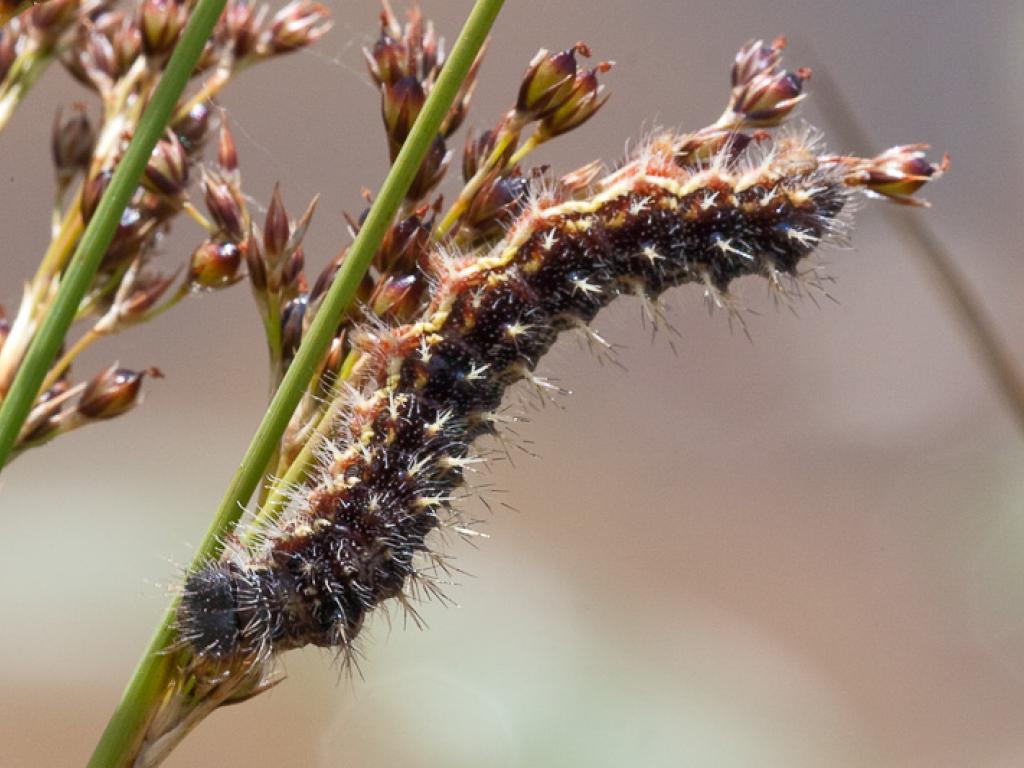
Once the egg hatches, the caterpillar begins feeding almost immediately. Painted Lady caterpillars are dark, spiny, and marked with lighter stripes or spots. They grow quickly, passing through five instars as they molt and increase in size.
This stage usually lasts around 10 to 14 days, but it can extend to 2 to 4 weeks depending on conditions. During this time, the caterpillar’s main job is simple: eat, grow, and prepare for metamorphosis.
Pupa Stage
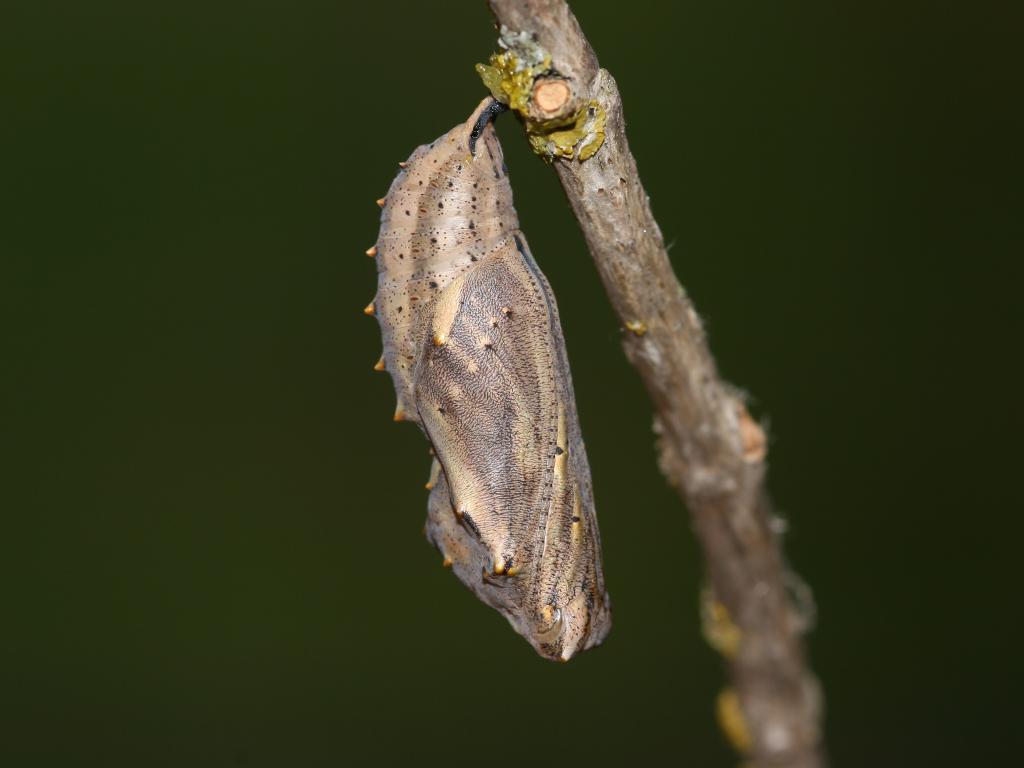
After reaching full size, the caterpillar forms a chrysalis. The Painted Lady butterfly chrysalis is usually mottled brown or gray, which helps it blend into stems and leaves. Inside, one of nature’s most dramatic transformations takes place.
The pupal stage generally lasts 7 to 10 days, though it can range a little longer in cooler conditions.
Adult Stage
When the adult butterfly emerges, its wings are soft and wrinkled at first. It pumps hemolymph into the wings, expands them, and waits for them to dry before taking flight. Adult Painted Ladies usually live for 2 to 4 weeks, with some estimates giving a range of 6 to 20 days.
Although the adult stage is relatively short, it is focused on nectar feeding, dispersal, mating, and reproduction. Females can lay hundreds of eggs during their lifetime.
Painted Lady Butterfly Diet
The Painted Lady butterfly diet changes completely between the caterpillar and adult stages.
Caterpillar Diet
Painted Lady caterpillars are generalist herbivores, which is one of the species’ biggest advantages. They feed on more than 300 host plants, including:
- thistles
- mallows
- hollyhocks
- asters
- nettles
- viper’s-bugloss
- various cultivated plants
In Britain and Ireland, thistles are especially important host plants. Because the caterpillars can use such a wide range of plants, they are better equipped than many specialists to survive in changing environments.
Some host plants contain toxic compounds, and Painted Lady caterpillars are able to store some of these chemicals in their bodies. This may help make them less appealing to predators.
Adult Diet
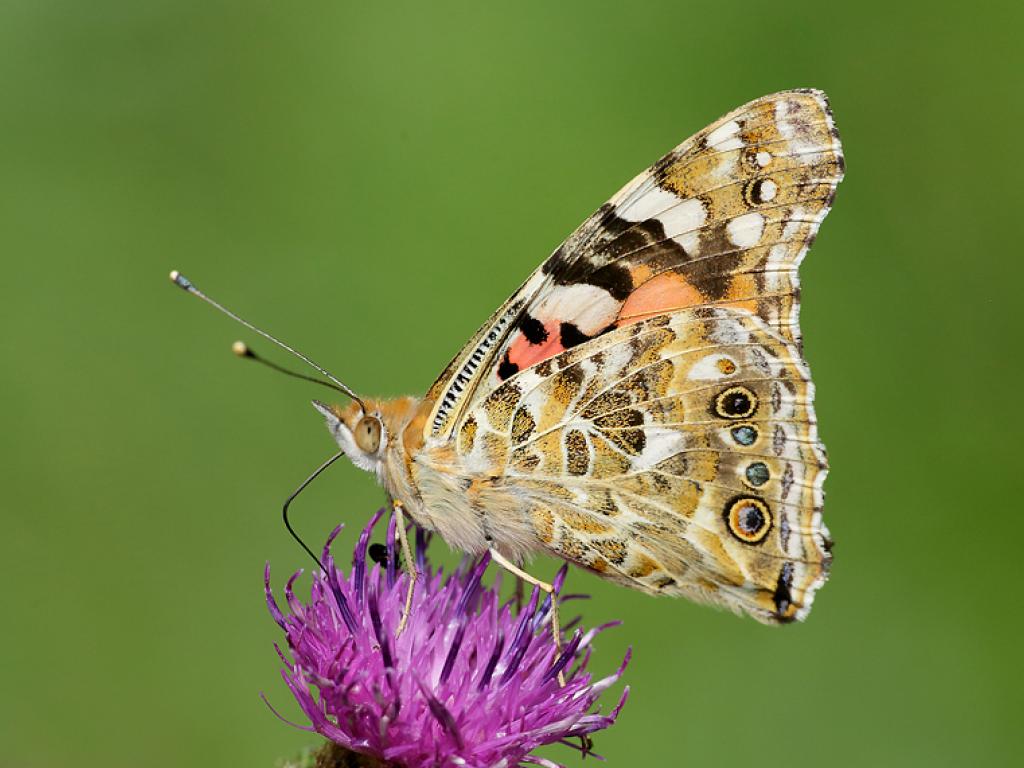
Adult Painted Ladies feed mainly on nectar from flowering plants. They are especially drawn to flowers in the Asteraceae family, though they are not limited to them. Nectar gives them the energy needed for flight, migration, and reproduction.
If you want to attract Painted Ladies to a garden, nectar-rich flowers and nearby host plants are the best combination.
Painted Lady Butterfly Reproduction
The Painted Lady butterfly reproduction process is active and visually interesting. Males search widely for females rather than defending fixed territories. When a male finds a potential mate, he may pursue her in flight. If she is receptive, the two may circle each other in a brief aerial courtship before landing.
Mating often takes place a few days after the butterflies emerge as adults. After mating, the female lays fertilized eggs on suitable host plants, choosing sites that will give the next generation the best chance of survival.
Because Painted Ladies are migratory and often produce several generations a year, reproduction is central to how the species spreads so effectively across large distances.
Painted Lady Butterfly Predators
Like most butterflies, Painted Ladies face threats at every stage of life.
Eggs and Caterpillars
Common predators include:
- ants
- wasps
- spiders
- birds
- small rodents
Chrysalides
At the pupal stage, they may be eaten by:
- birds
- small rodents
Adult Butterflies
Flying adults can be taken by:
- birds
- reptiles
- frogs
- spiders
- praying mantises
To reduce risk, Painted Ladies rely on camouflage, quick flight, and a strong sensitivity to movement and light changes.
Interesting Painted Lady Butterfly Facts
There is a lot more to the Painted Lady butterfly than its attractive wings. Here are a few facts that make this species especially memorable:
- It is one of the most widespread butterflies in the world.
- It is famous for long-distance migration across Europe, North America, and beyond.
- Its annual movements often involve multiple generations rather than a single individual completing the full route.
- Caterpillars can feed on an unusually wide range of host plants.
- Adults have a relatively short lifespan, so much of their activity is focused on feeding and reproduction.
- Their visual system includes ultraviolet, blue, and green receptors, similar in some ways to that of honey bees.
- In favorable years, Painted Ladies can appear in huge numbers and become one of the most noticeable butterflies of late spring or late summer.
Why the Painted Lady Butterfly Matters
The Painted Lady butterfly is a reminder that common species can still be extraordinary. It combines beauty, resilience, and mobility in a way that few insects do. Whether it is crossing continents, laying eggs on a humble thistle, or passing through a backyard garden on a warm afternoon, it reflects the quiet complexity of the natural world.
For gardeners, butterfly watchers, and anyone interested in insect life, Painted Ladies offer something special. They are easy to admire at first glance, but the more you learn about their migration, life cycle, and survival strategies, the more impressive they become.
FAQ
What does a Painted Lady butterfly look like?
A Painted Lady butterfly is medium-sized with orange-brown wings, black markings, and white spots near the tips of the forewings. Its pattern is bold but delicate, making it one of the easiest butterflies to recognize.
How long does the Painted Lady butterfly life cycle last?
In warm weather, the full life cycle usually takes about 5 to 6 weeks, from egg to adult. Cooler weather and environmental conditions can make it longer.
What do Painted Lady caterpillars eat?
Painted Lady caterpillars feed on a wide range of host plants, including thistles, mallows, hollyhocks, asters, and nettles.
What do adult Painted Lady butterflies eat?
Adults mainly drink nectar from flowers, especially those that provide rich, accessible food for active flying butterflies.
Do Painted Lady butterflies migrate?
Yes. Painted Ladies are well known for long-distance migration. Their seasonal movements can cover huge regions, and the full journey is often completed over several generations.
Where do Painted Lady butterflies live?
They live in many types of open habitats, including gardens, meadows, roadsides, dry grasslands, and flower-rich areas. Their adaptability helps them occupy a very wide geographic range.
What eats Painted Lady butterflies?
Predators include birds, spiders, wasps, ants, frogs, reptiles, praying mantises, and small rodents, depending on the butterfly’s life stage.
Are Painted Lady butterflies rare?
No. They are generally considered common and widespread, though their numbers can vary a lot from year to year depending on migration patterns and environmental conditions.