
If you’ve ever watched butterflies drift through your garden and wondered what species you were seeing, you’re not alone. Learning how to identify a butterfly can feel overwhelming at first, especially when so many species seem to share the same colors or patterns. But once you know what to look for, butterfly identification becomes much easier—and much more enjoyable.
The good news is that you do not need to be an expert to get started. A few simple clues, like wing color, shape, size, habitat, and even the plant a caterpillar is feeding on, can help you narrow things down quickly. Over time, you begin to notice details that once seemed invisible, and your garden turns into a place full of familiar visitors instead of mystery wings.
How to Identify a Butterfly by Color, Size, and Shape
The first step in learning how to identify a butterfly is to slow down and notice the obvious features. Color is often what catches your eye first, but it works best when paired with size and wing shape.
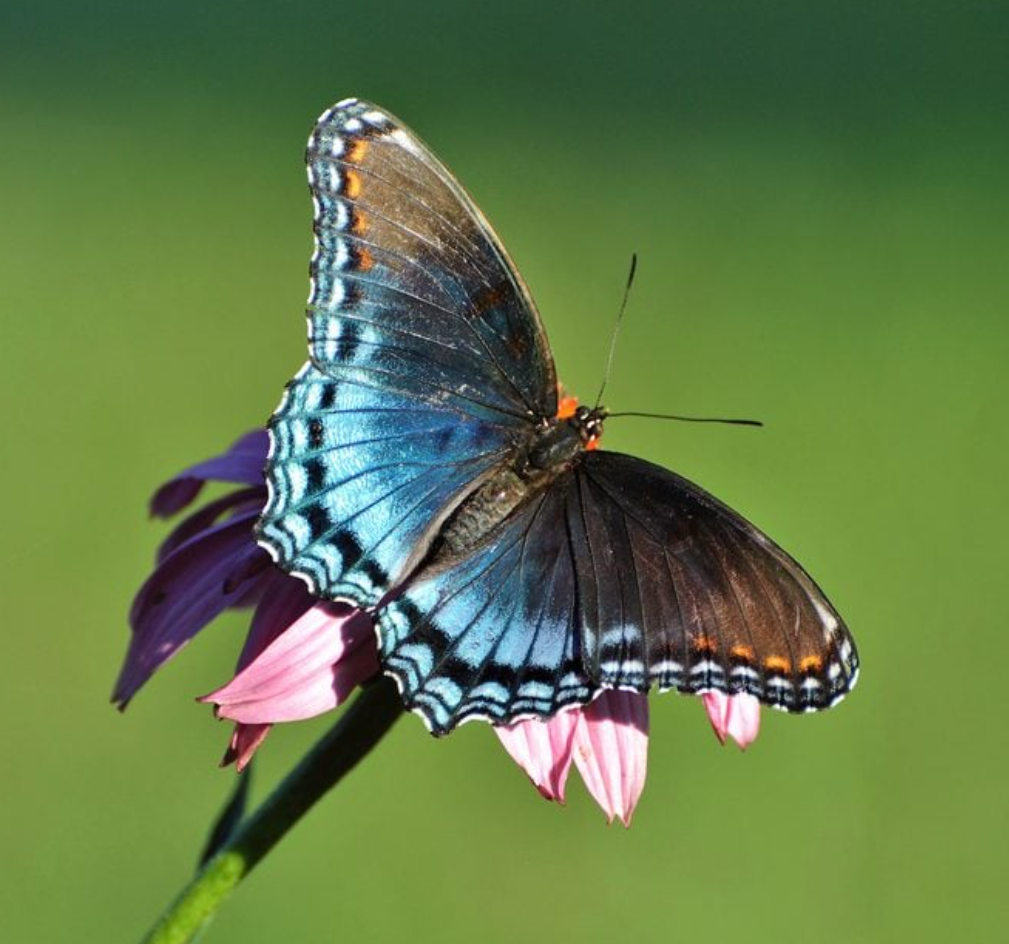
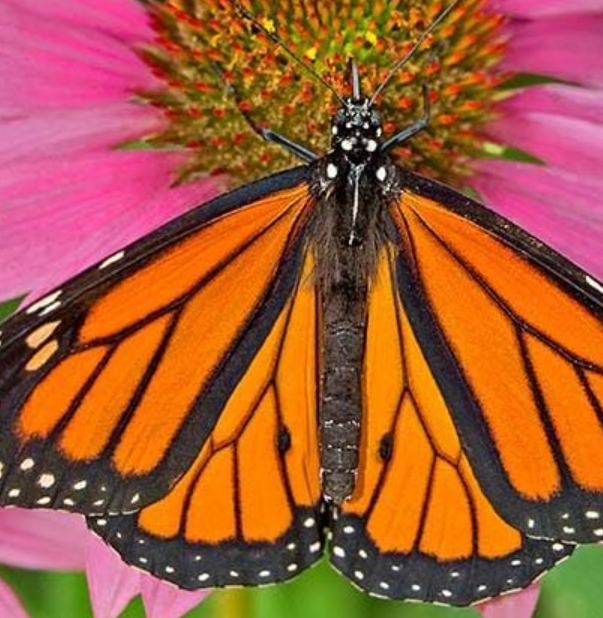
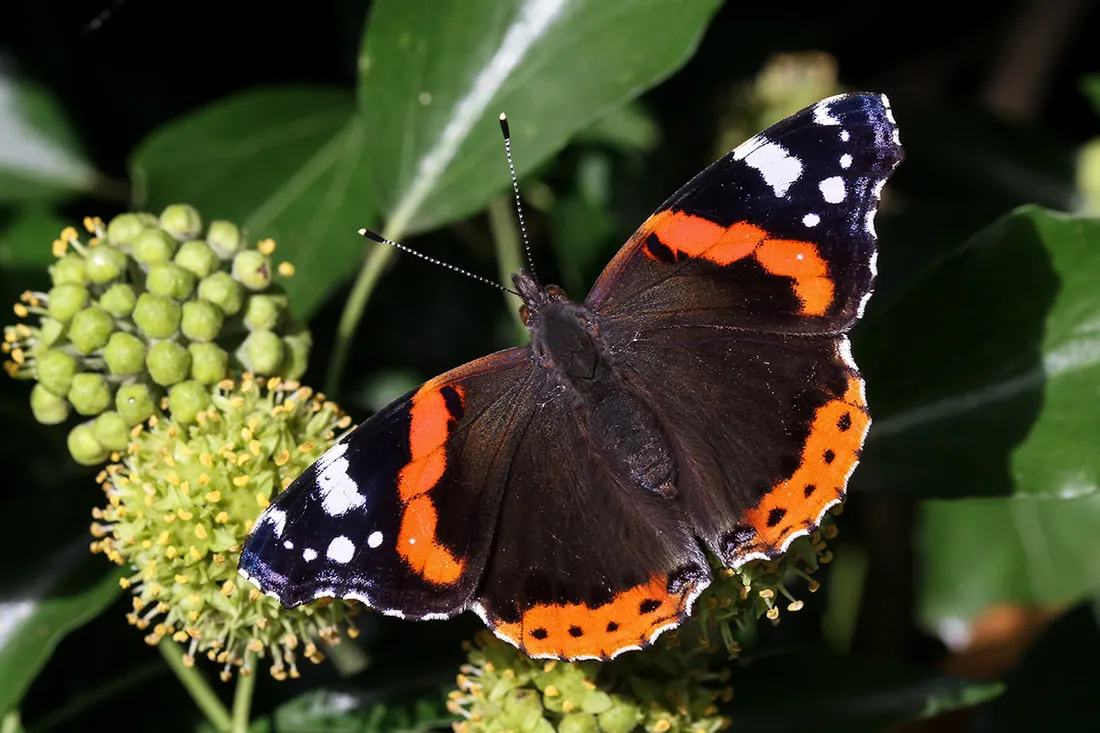
Some butterflies are easy to recognize because they have bold, unforgettable patterns. Monarchs, for example, stand out with their orange wings, black veins, and dark borders. Tiger swallowtails are bright yellow with black stripes, while red admirals are darker with orange-red bands and white spots. Even a quick look can sometimes put you in the right family.
Wing shape matters, too. Skippers tend to look compact, with relatively small wings and a darting flight style. Longwings appear narrower and more delicate. Some species, like commas and question marks, have distinct wing edges and markings that help explain their names.
If you can, take a photo. A butterfly may disappear in seconds, but a clear image lets you zoom in later and compare markings more carefully. This is especially helpful when trying to tell apart similar species, or when male and female butterflies look slightly different.
How to Identify a Butterfly by Location and Habitat
Another important part of understanding how to identify a butterfly is knowing where you saw it. Not every butterfly lives everywhere, and habitat can be one of the quickest ways to rule species in or out.
Some butterflies are found across wide areas, while others stay within very specific regions. That means your location already gives you a clue before you even look at markings. A species common in the eastern United States may be unusual or absent farther west, and some butterflies are tied closely to prairies, wetlands, woodland edges, or open meadows.
Habitat details matter more than many beginners realize. Two butterflies may look surprisingly similar, yet prefer very different places. One might be found in sunny gardens and roadsides, while another stays deeper in the forest. That difference can save you from making a wrong guess based on color alone.
When you spot a butterfly, ask yourself a few simple questions. Was it near wildflowers? Open grassland? A woodland trail? A marshy edge? These small observations often make identification much easier later.
Is It Really a Butterfly or a Moth?
A surprisingly useful question is this: are you looking at a butterfly at all?
Many people assume moths are always dull and butterflies are always colorful, but that is not reliable. Some moths are beautifully patterned and bright enough to fool almost anyone at first glance. That is why it helps to look beyond color.
In general, butterflies are active during the day, while most moths are active at night. Butterflies also have antennae with a noticeable club or knob at the tip. Moth antennae are usually feathery or threadlike instead. Resting posture can help, too. Butterflies often hold their wings upright over their backs, while moths tend to rest with wings spread outward or folded flat alongside the body.
This distinction matters because many beginners searching for butterfly names are actually seeing moths around porches, flower beds, or outdoor lights. Once you learn the basic differences, your identifications become much more accurate.
How to Identify a Butterfly Through Caterpillars and Host Plants
One of the smartest ways to learn how to identify a butterfly is to pay attention before the adult butterfly even appears.
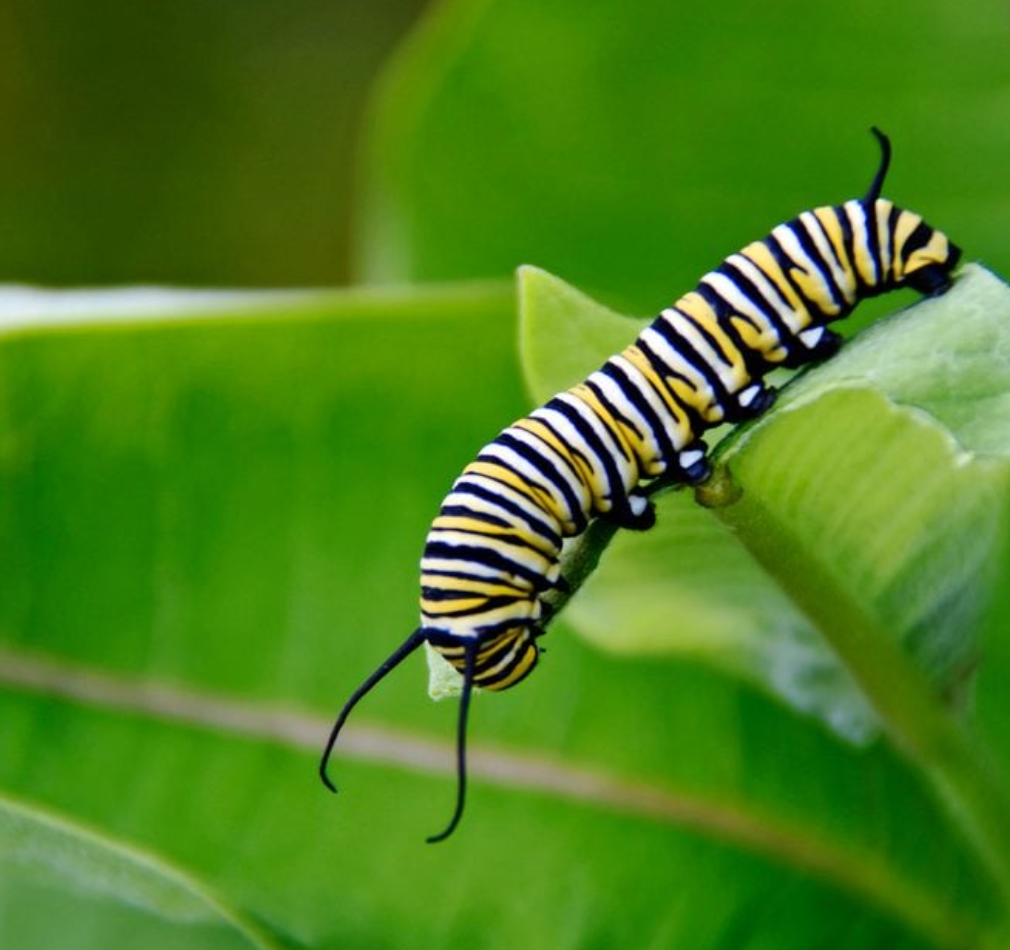
Every butterfly begins as a caterpillar, and caterpillars are often easier to observe because they stay in one place longer. If you notice a caterpillar feeding on a particular plant in your yard, that plant can offer a major clue about which butterfly species may emerge later.
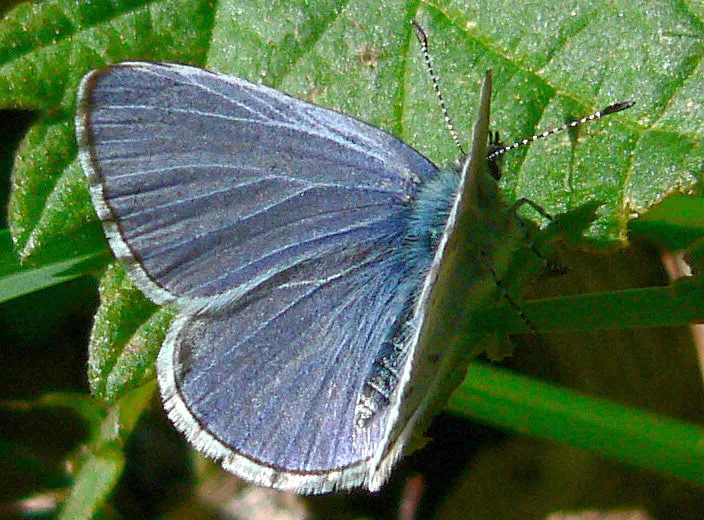
Many butterflies rely on specific host plants. Monarch caterpillars, for instance, feed on milkweed and depend on it for survival. Black swallowtails lay eggs on plants in the carrot family, including parsley, dill, fennel, and Queen Anne’s lace. Cabbage white caterpillars are commonly found on cabbage and other cruciferous vegetables. Regal fritillary larvae feed on violets, while spring azure caterpillars are associated with plants such as dogwood, viburnum, and blueberries.
This is one reason butterfly gardening is so rewarding. The more you know about host plants and nectar plants, the easier it becomes to identify not only the butterflies visiting your yard, but also the ones breeding there.
Common Backyard Butterflies to Practice Identifying
If you are new to butterfly watching, it helps to start with a handful of common species and learn them well. Once those become familiar, spotting differences between less common butterflies gets much easier.
Monarch
The monarch is one of the best-known butterflies in North America. It has bright orange wings with black veins and black borders. Females usually appear a little darker or browner than males, and males have small black scent spots on their hind wings.
Viceroy
The viceroy is often confused with the monarch, but it is smaller and has a black line crossing the hind wings. Once you learn that single feature, the difference becomes much easier to see.
Eastern Tiger Swallowtail
This large butterfly is hard to miss. Males are yellow with black tiger-like stripes. Females may appear in a lighter yellow form or a much darker form, which can confuse beginners at first.
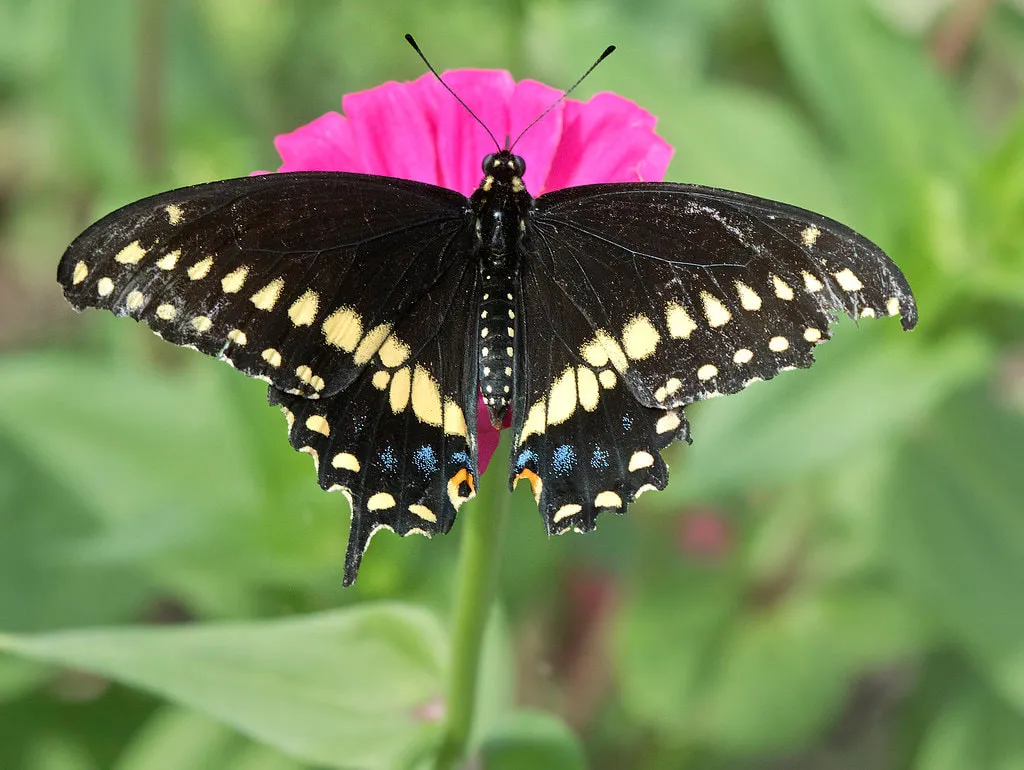
Black Swallowtail
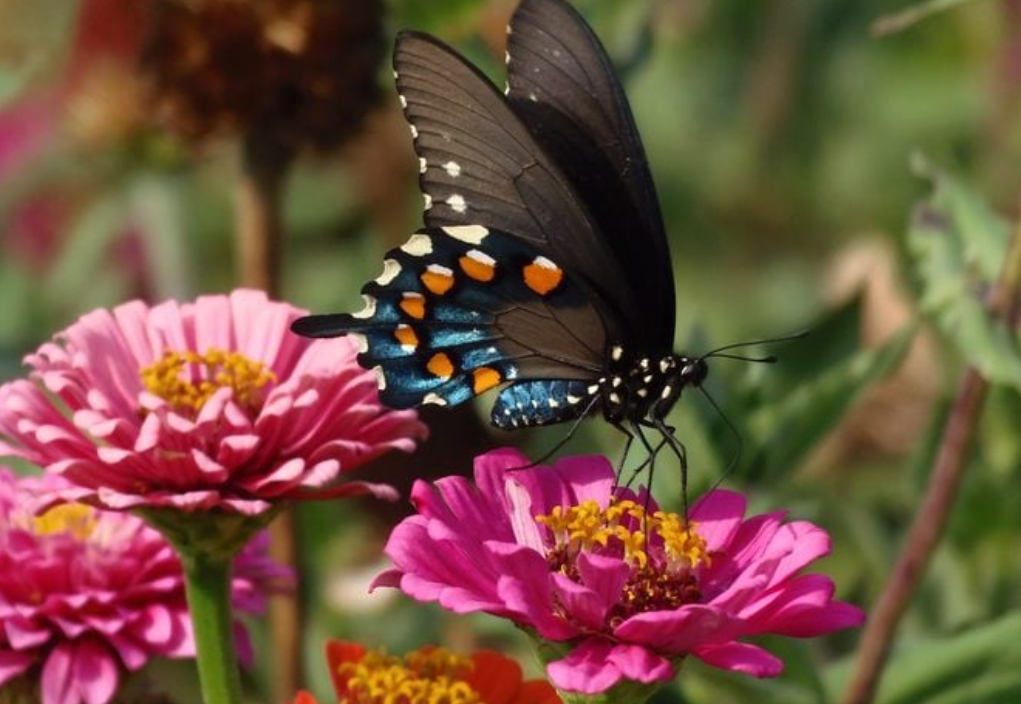
Black swallowtails have dark wings with rows of yellow-orange spots, blue on the hind wings, and a red spot near the inner edge. They are often seen in gardens, especially where parsley or dill is growing.
Cabbage White
Small, pale, and common, the cabbage white is often one of the first butterflies people learn. It is mostly white with gray or charcoal tips on the wings, and females usually show two dark spots on the forewings.
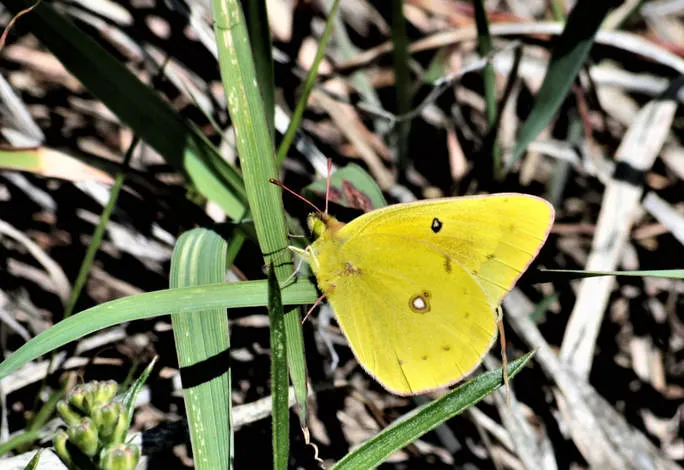
Orange Sulphur
This species is a cheerful orange-yellow butterfly often seen fluttering across fields, roadsides, and gardens. It usually has a darker border and a small dark mark on the forewing.
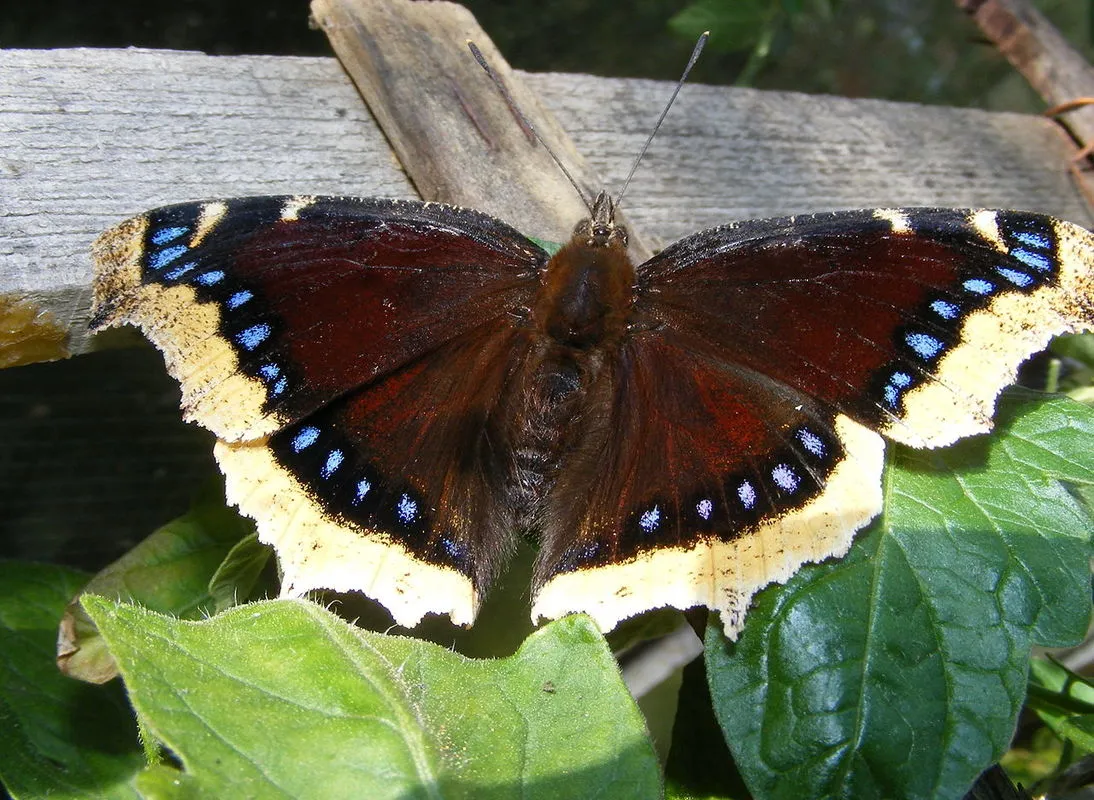
Mourning Cloak
This butterfly has a very different look from many others. Its wings are deep brown or maroon with pale creamy edges and small blue spots. It is one of those species that becomes unmistakable once you have seen it once.
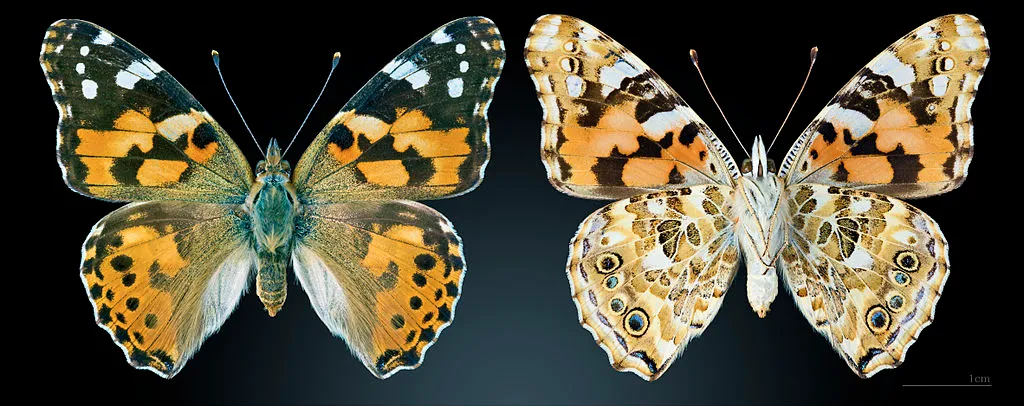
Painted Lady
Painted ladies are common, lively, and beautifully patterned in orange and brown with small eyespots. They are found across much of the world and often visit gardens rich in nectar.
Red Admiral
The red admiral is medium-sized with dark wings, orange-red bands, and striking white spots. It often lands in sunny places and can be surprisingly approachable.
How to Build Confidence With Butterfly Identification
The easiest way to improve is not by memorizing every species at once, but by practicing with the butterflies you see regularly.
Start with these habits:
- Notice the wing color and basic pattern
- Estimate the size
- Look at wing shape
- Observe the habitat
- Check nearby flowers or host plants
- Take a photo whenever possible
At first, you may only identify a butterfly as “some kind of swallowtail” or “probably a sulphur.” That is perfectly fine. Butterfly identification often begins broad and gets more precise with time. The more often you compare species, the faster your eye picks up the small differences.
A good field guide can help, and so can online butterfly databases or regional identification resources. Over time, you will likely find that certain species return year after year, and they begin to feel like familiar seasonal visitors.
Why Learning How to Identify a Butterfly Matters
Learning how to identify a butterfly is not just a fun nature hobby. It also helps you understand what your garden is supporting.
When you can identify the species visiting your yard, you begin to see whether you are attracting generalists, migratory butterflies, or species that rely on specific native plants. That can guide better planting choices and help you create habitat that supports butterflies through more of their life cycle, not just the nectar-feeding adult stage.
It also builds a stronger connection to seasonal change. The first cabbage white of spring, the arrival of monarchs, or the flash of a tiger swallowtail near the garden all begin to mean something more when you know who they are.
Final Thoughts
If you are wondering how to identify a butterfly, begin with what you can easily observe: color, size, shape, behavior, and place. Then add the deeper clues, like host plants, caterpillars, and regional range. You do not need to identify everything in a single afternoon. Even experienced butterfly watchers keep learning.
The real joy is in paying attention. Once you start looking closely, your garden changes. Butterflies stop being passing flashes of color and become recognizable, memorable creatures with their own habits, seasons, and stories.
FAQ
What is the easiest way to identify a butterfly?
The easiest way is to look at color, wing pattern, size, and shape first. Then use habitat, location, and behavior to narrow the possibilities.
How can I tell a butterfly from a moth?
Butterflies usually have clubbed antennae, are active during the day, and often rest with their wings folded upright. Moths typically have feathery or threadlike antennae and are more often active at night.
Can I identify a butterfly by the plant it visits?
Sometimes, yes. Nectar plants can help, but host plants are often an even stronger clue, especially if you find caterpillars feeding on them.
What butterfly is commonly mistaken for a monarch?
The viceroy is the best-known monarch lookalike. It is smaller and has a black line crossing the hind wings, which monarchs do not have.
Why should gardeners learn butterfly identification?
It helps you understand which species your yard supports, choose better host and nectar plants, and create a more wildlife-friendly garden.