If you spend any time in a garden, along a woodland edge, or even walking through a town park, there is a good chance you have seen a Red Admiral butterfly. With its velvety dark wings, bright red bands, and clean white spots near the tips, it is one of those insects that feels instantly recognizable, even to people who do not usually pay close attention to butterflies. It is bold, restless, and surprisingly adaptable, which is one reason it turns up in so many different places.
What makes the Red Admiral especially interesting is that it is not just beautiful. It is also a strong migrant, a flexible survivor, and a species closely tied to humble host plants like nettles. In Britain and Ireland, it is a familiar garden visitor, while across North America and other regions it is also widely known as a common and active butterfly of parks, edges, and disturbed habitats.
.
How to identify a Red Admiral butterfly
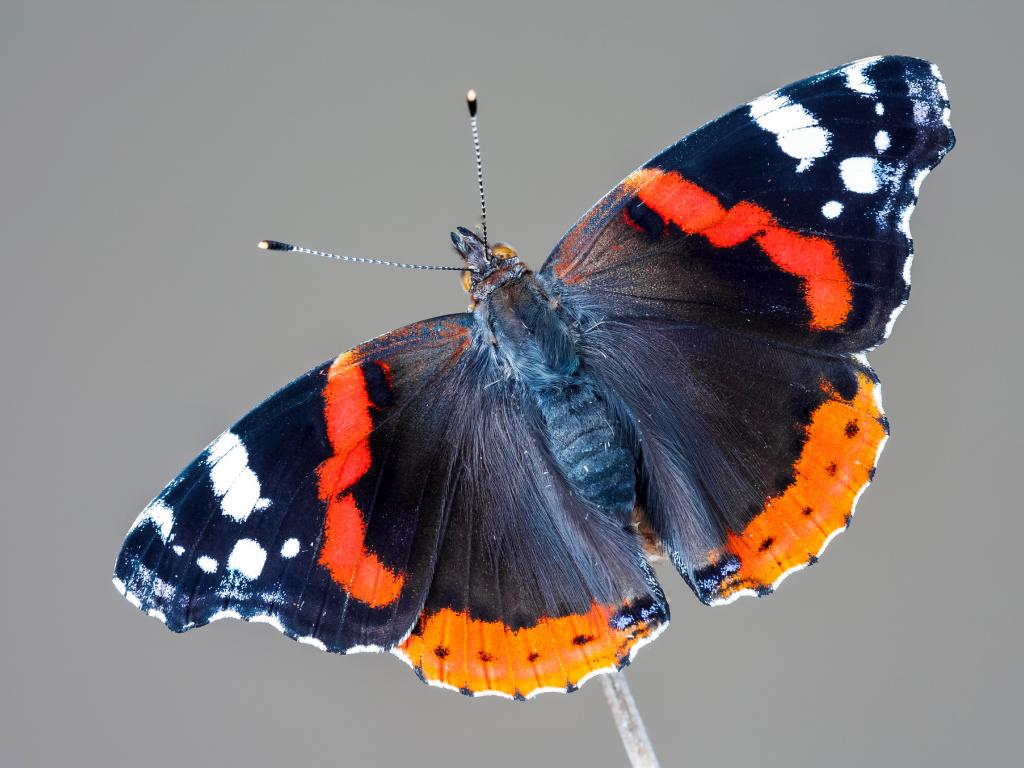
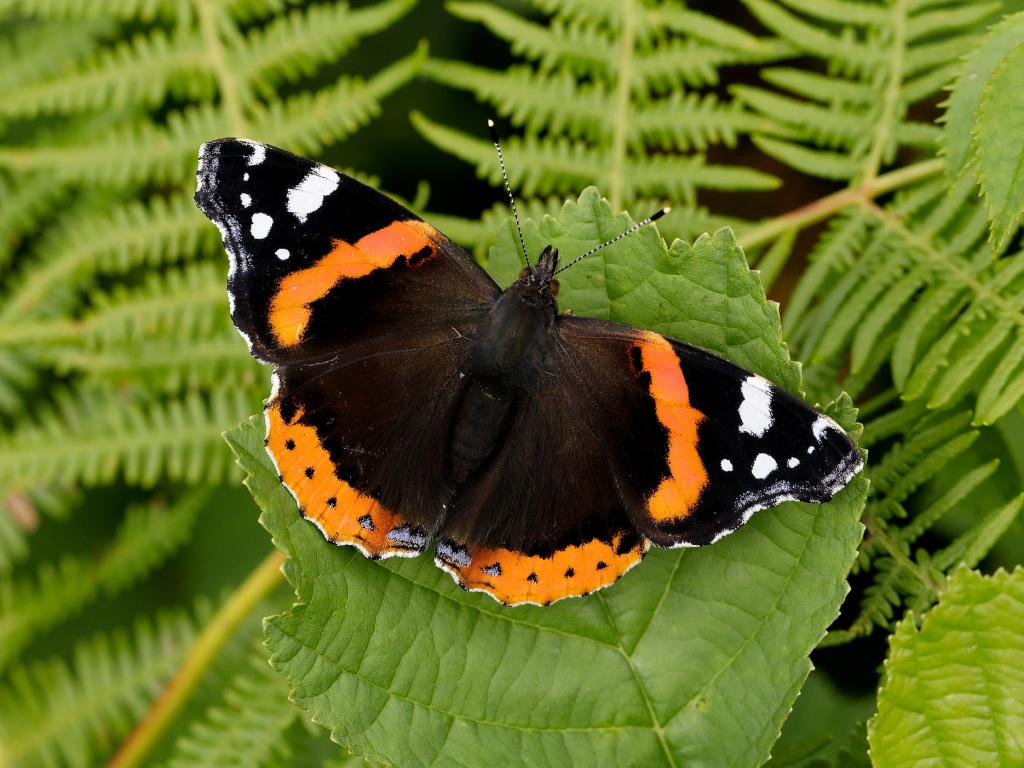
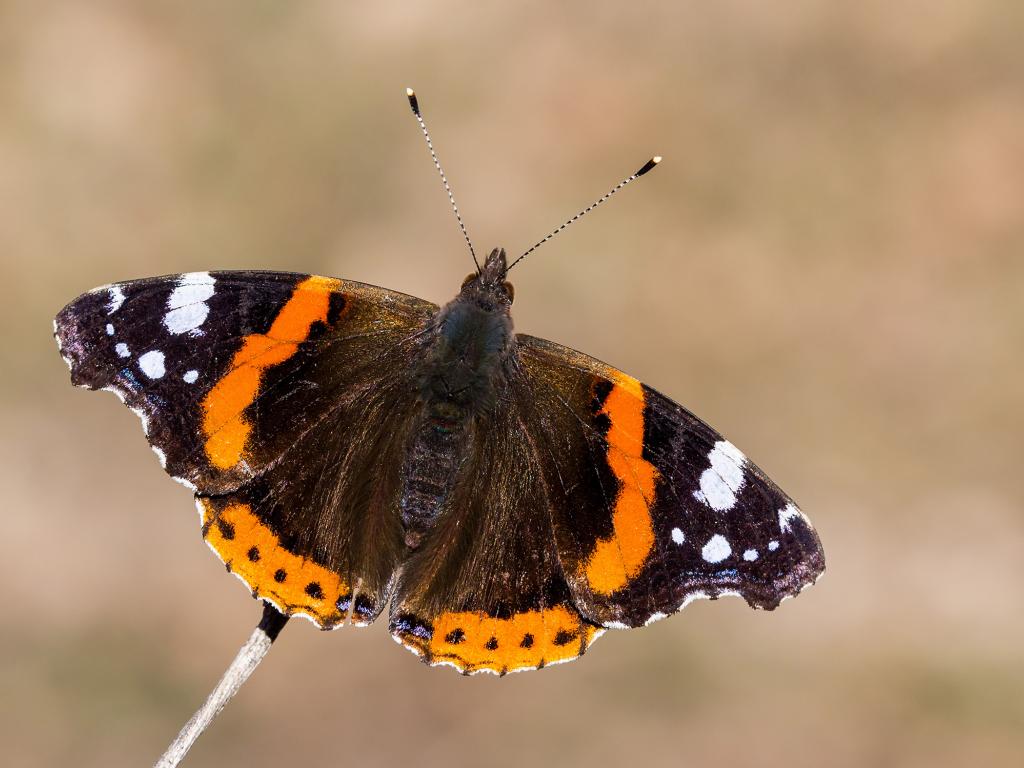
The Red Admiral butterfly, Vanessa atalanta, is usually easy to identify once you know what to look for. The upper side of the wings is mostly dark brown to black, cut through with vivid orange-red bands. White spots near the forewing tips add contrast, making the butterfly stand out even at a distance. It is also a relatively large, strong-flying species, and that confident, darting flight often gives it away before the pattern does.
Unlike some butterflies that seem delicate and drifting, Red Admirals often appear purposeful. Males are territorial and may patrol sunny patches or chase away rivals from favored spots, especially during the breeding season. That behavior adds to their energetic, slightly combative personality in the garden.
Red Admiral butterfly habitat
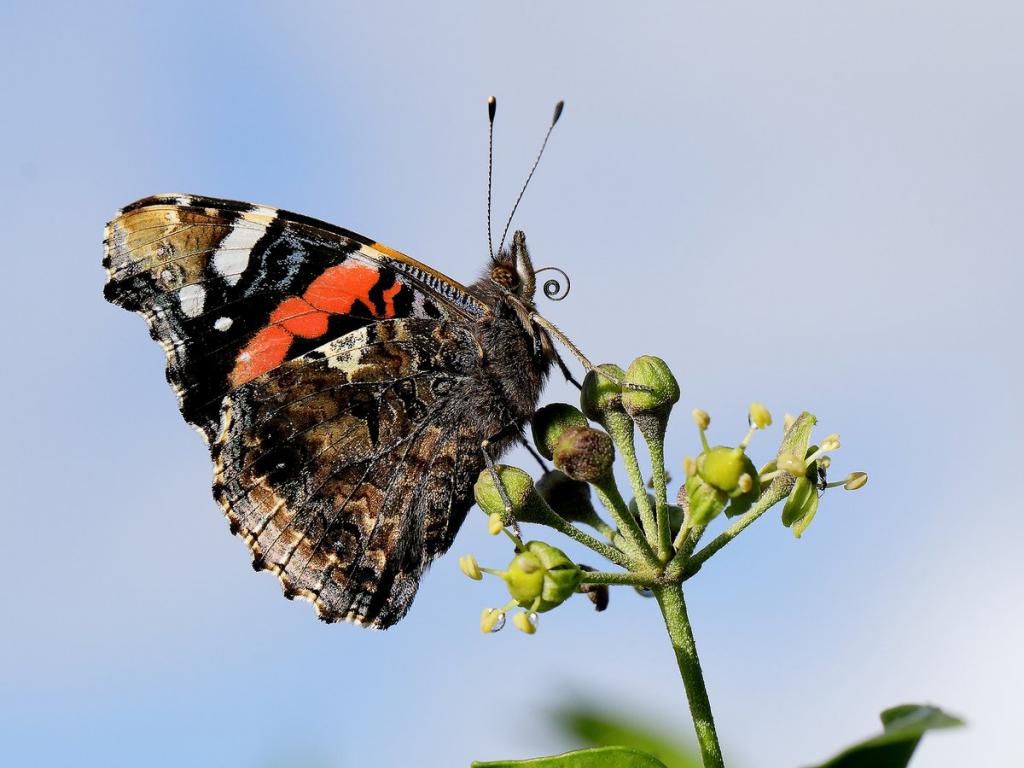
One of the reasons this butterfly is so successful is that its habitat range is remarkably broad. In Britain and Ireland, it can be found almost anywhere, from gardens and town centers to coasts and even higher ground. In North America, it is also associated with moist areas near forests, wetlands, bogs, fens, and other places where it can find water, minerals, and suitable larval host plants.
That flexibility means the Red Admiral is not a butterfly limited to pristine wilderness. It can do well in ordinary human-shaped landscapes too, especially where there are flowering plants for adults and nettles for caterpillars. In practical terms, that makes it one of the more realistic butterfly species to notice in everyday life, whether you live near the countryside or in a greener part of a town or suburb.
Red Admiral butterfly life cycle
The Red Admiral butterfly goes through the classic four-stage butterfly life cycle: egg, caterpillar, chrysalis, and adult. Females lay single eggs on the upper surface of host plant leaves, especially nettles. After hatching, the larvae feed on those leaves and pass through several growth stages before pupating. Field data from North America notes that eggs may hatch in about a week, the larval stage can last around three weeks, and the pupal stage roughly two weeks, though timing varies with temperature and local conditions.
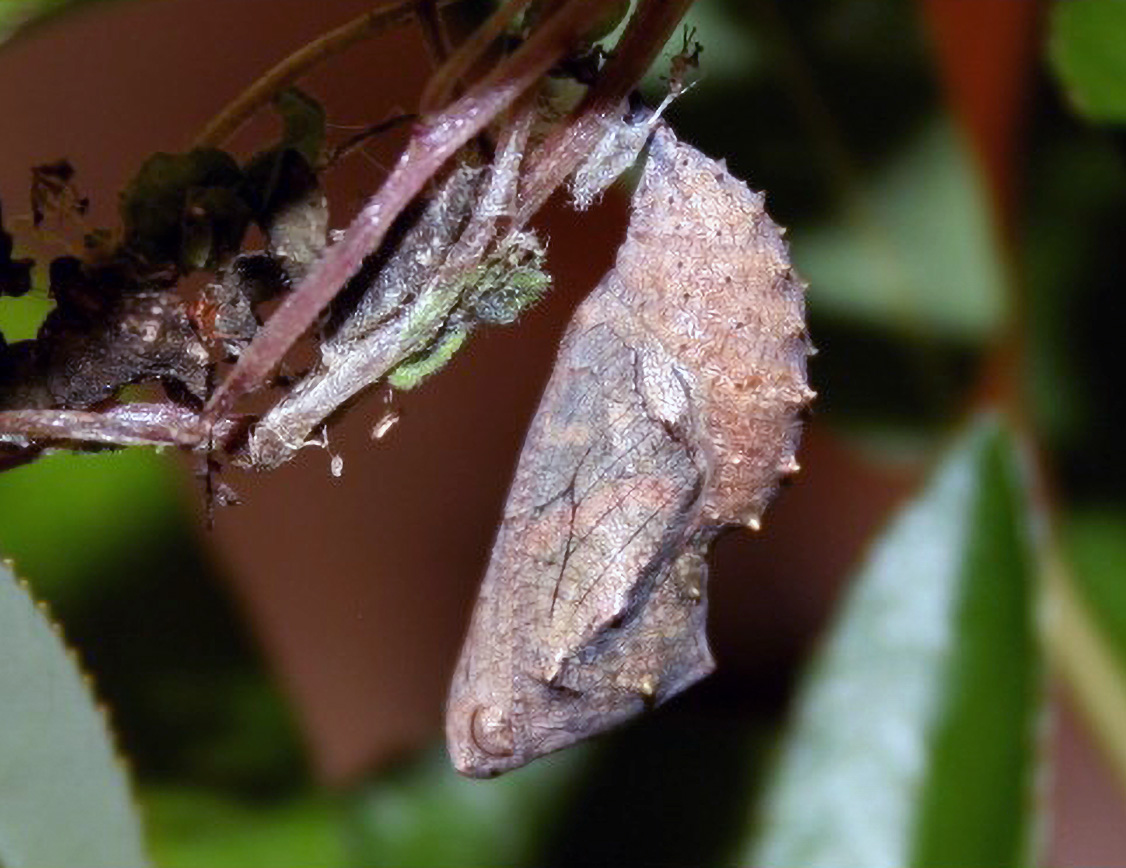
The caterpillars are clever little architects. Rather than feeding openly in full view, they often build shelters by folding or silking leaves together. Older larvae may create more substantial leaf nests, which help protect them while they feed. Later, the chrysalis hangs beneath a leaf and is camouflaged well enough to resemble a dry, curled piece of plant material.
Adults can produce multiple broods depending on region. In North America, two broods are commonly reported between March and October, while brood numbers vary with latitude, with fewer generations farther north and more in warmer southern areas.
Why nettles matter so much
If there is one plant group strongly linked to the Red Admiral butterfly, it is the nettle family. In Britain and Ireland, the most important larval foodplant is Common Nettle, though Small Nettle, Pellitory-of-the-wall, and Hop may also be used. More broadly, Red Admirals are associated with plants in the nettle family across their range, which helps explain why they are so widespread and adaptable.
This is a useful reminder for gardeners: a plant that looks untidy to us may be essential to a butterfly. A patch of nettles tucked into a wild corner can function as a nursery for caterpillars, while nearby nectar plants help support the adults. For a species like the Red Admiral, conservation can begin with something as simple as tolerating the right host plants.
What do Red Admiral butterflies eat?
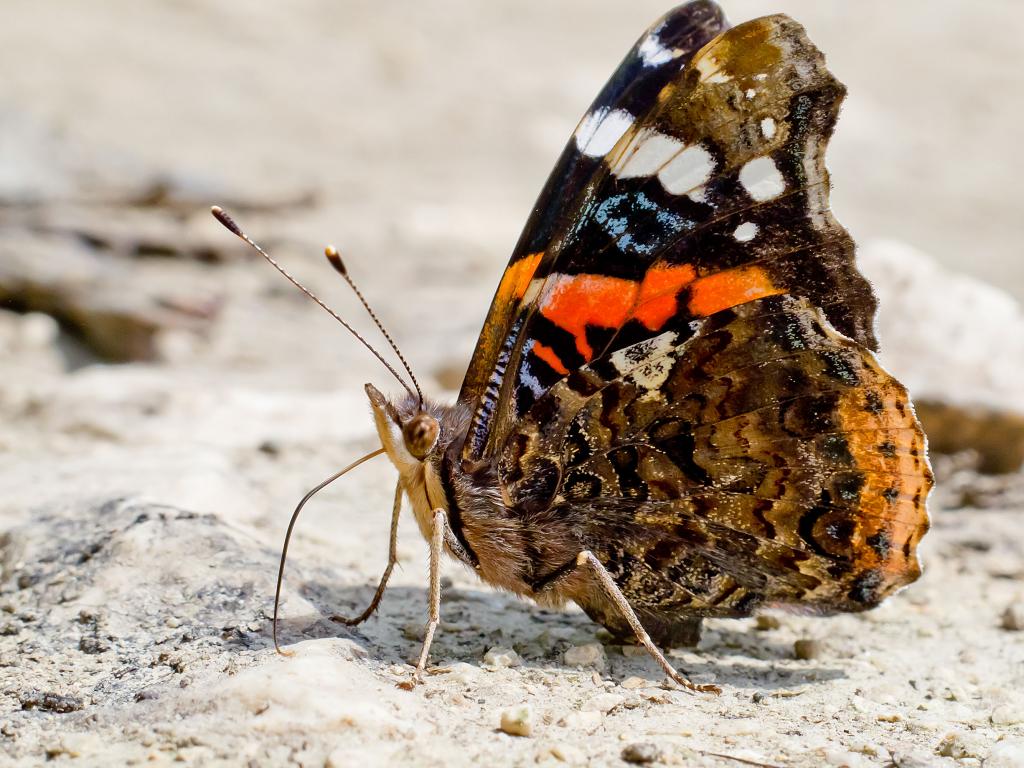
Adult Red Admirals do visit flowers for nectar, but they are not limited to blossoms. They are also known to feed on fermenting fruit, sap runs on trees, and mineral-rich moisture from mud or puddles. In autumn especially, they are often noticed on ivy flowers or overripe fruit, which gives them a slightly different feeding style from butterflies that focus almost entirely on fresh nectar sources.
That mixed diet is part of what makes them so resilient. They can take advantage of what the season offers, whether that is summer flowers in a garden or fallen fruit later in the year. It is another small reason this species turns up so reliably in places where other butterflies may be less consistent.
Do Red Admiral butterflies migrate?
Yes, and this is one of the most fascinating things about them. In Britain and Ireland, Red Admirals are well known as migrants arriving from continental Europe and North Africa from spring onward. Their numbers often build through summer, and by early autumn many move south again. Recent conservation reporting also notes that some individuals now overwinter in the south of England during milder winters.
Across North America, migration is also part of the Red Admiral story. Northern populations shift southward as cold weather reduces food availability, while warmer regions may support more generations and some overwintering adults. This seasonal flexibility is a major reason the species remains so widespread.
Why the Red Admiral butterfly stands out
Some butterflies are memorable because they are rare. The Red Admiral is memorable for almost the opposite reason: it is familiar, visible, and full of character. It can appear in a formal garden, on a woodland path, beside the sea, or in a rough patch of weeds behind a fence. It is striking enough for beginners to notice and interesting enough for experienced butterfly watchers to keep following year after year.
It also tells a larger ecological story. Its dependence on nettles, its taste for fruit and sap, and its migratory habits all show how closely butterfly life is tied to seasons, plant communities, and shifting weather patterns. The Red Admiral butterfly may look simple at first glance, but the more you learn about it, the more layered it becomes.
FAQ
What is a Red Admiral butterfly?
The Red Admiral butterfly is a large, distinctive butterfly species called Vanessa atalanta. It is known for its dark wings marked with bright red bands and white spots, and it is widely found across Britain, Ireland, North America, and other parts of the world.
Where do Red Admiral butterflies live?
Red Admirals live in a wide range of habitats, including gardens, parks, woodland edges, wetlands, coasts, and urban green spaces. They are unusually adaptable and can thrive almost anywhere that offers adult food sources and suitable host plants for caterpillars.
What do Red Admiral caterpillars eat?
Red Admiral caterpillars mainly feed on plants in the nettle family. Common Nettle is especially important in Britain and Ireland, but related plants such as Small Nettle, Pellitory-of-the-wall, and Hop may also be used.
Do Red Admiral butterflies migrate?
Yes. In Britain and Ireland, many arrive from continental Europe and North Africa in spring and summer, then move south again in autumn. In North America, northern populations also move south as temperatures fall and food resources decline.
Can Red Admiral butterflies survive winter?
Some can. Conservation sources in the UK report that Red Admirals are increasingly being recorded overwintering in the south of England during milder winters, while in warmer parts of North America adults may also persist longer or overwinter locally.