When most people picture a butterfly feeding, they imagine it floating from flower to flower, gently sipping nectar. That picture is accurate — but it is not the whole story.
So, what do butterflies drink besides nectar?
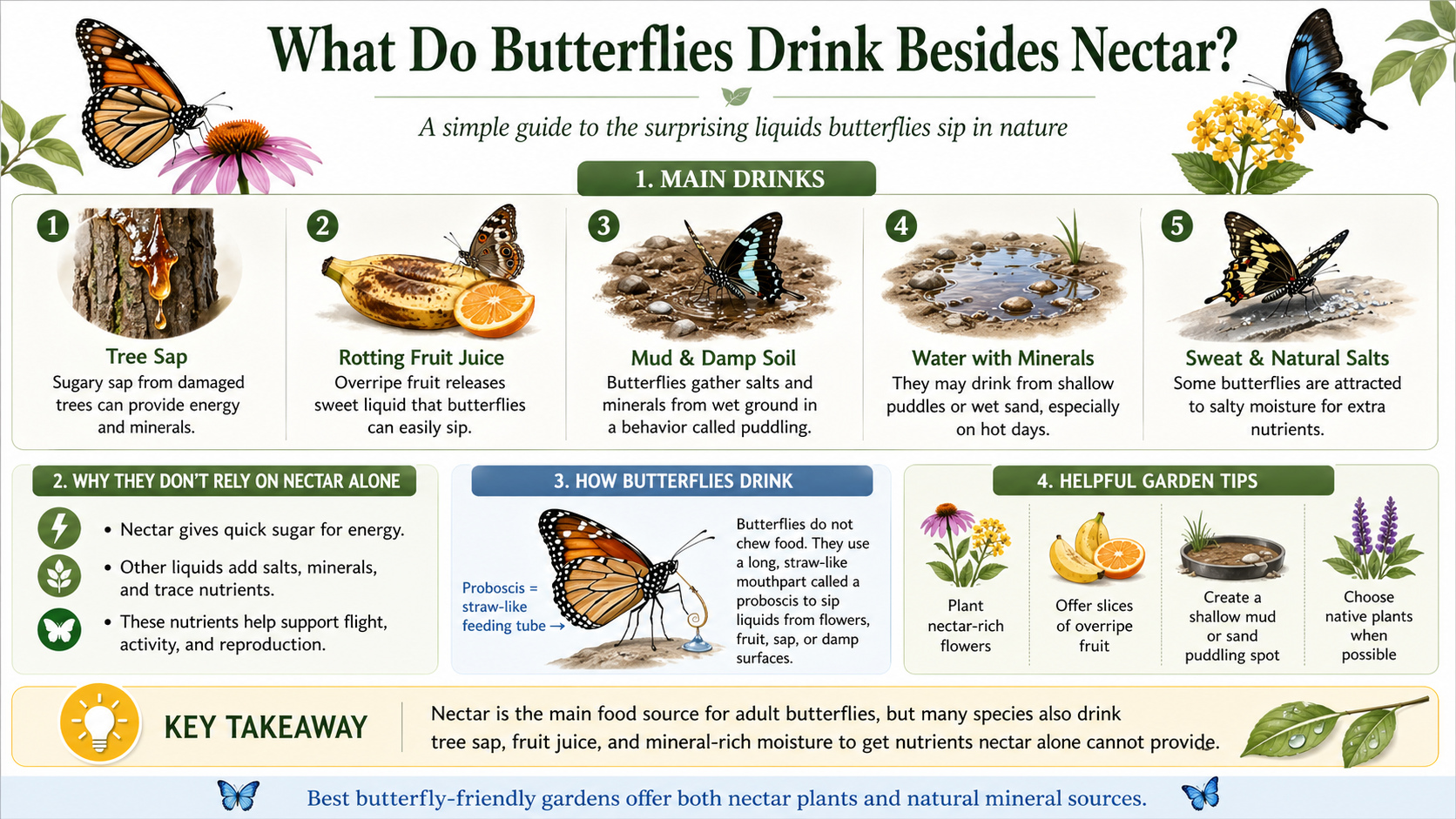
Adult butterflies mainly drink nectar because it gives them the sugary energy they need for flying, mating, and migration. But many butterflies also visit tree sap, rotting fruit, damp soil, mud puddles, sweat, and even animal droppings to get minerals, salts, and extra nutrients they cannot always find in flowers.
It may sound strange at first, but once you understand how butterflies feed, their unusual drinking habits make much more sense.
How Butterflies Drink
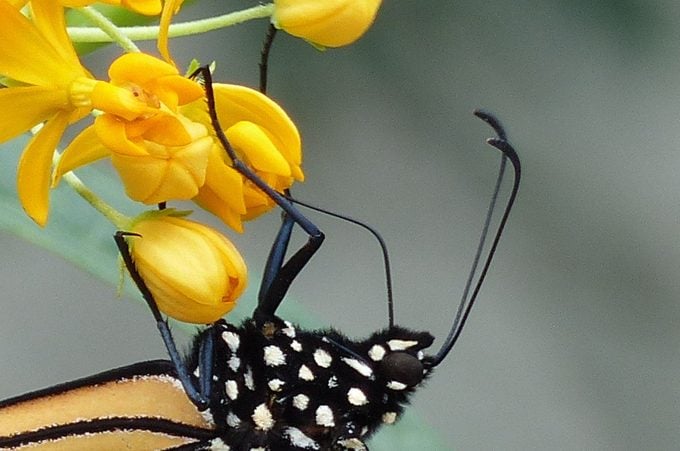
Butterflies do not chew food like caterpillars do. Adult butterflies have a long, straw-like mouthpart called a proboscis. When they are not feeding, the proboscis stays curled up. When they find a liquid food source, they unroll it and sip.
This means adult butterflies mostly depend on liquids. They can drink from flowers, soft fruit, wet soil, exposed tree sap, and other moist surfaces. Solid food is not useful to them unless it is soft, leaking juice, or already breaking down.
That is why overripe fruit or damp mud can be surprisingly attractive to butterflies.
What Do Butterflies Drink Besides Nectar?
Although nectar is still the main food source for most adult butterflies, they may drink several other liquids when they need extra energy, salts, or minerals.
1. Tree Sap
Some butterflies drink sap from trees, especially when the sap is exposed by cracks, wounds, insects, birds, or other animals.
Tree sap can contain sugar, moisture, minerals, and other nutrients. Butterflies usually cannot break into bark by themselves, but if sap is already flowing, they may visit it.
Common sap-producing trees that may attract butterflies include:
- Oaks
- Maples
- Willows
- Elms
- Ash trees
- Fruit trees
Certain woodland butterflies are especially likely to visit sap. If you have mature trees in your yard, you may occasionally see butterflies feeding on damaged bark or sticky sap spots.
2. Rotting Fruit
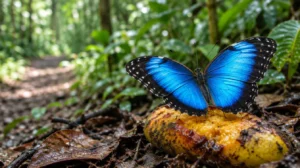
Rotting fruit is one of the easiest non-flower foods to offer butterflies in a garden.
As fruit becomes overripe, it releases sweet juices. Butterflies can sip these liquids with their proboscis. Bananas, oranges, mangoes, melons, apples, berries, and peaches may all attract butterflies when they soften and begin to ferment.
This is especially useful during hot weather or late in the season when fewer nectar flowers are blooming.
A simple butterfly fruit feeder can be made by placing soft fruit on a shallow dish or hanging it in a small feeder. Just remember to replace the fruit regularly so it does not become moldy or attract too many unwanted pests.
3. Mud, Damp Soil, and Mineral-Rich Water
One of the most interesting butterfly behaviors is called puddling.
Puddling happens when butterflies gather on wet soil, mud, sand, or shallow puddles to sip moisture rich in salts and minerals. This is especially common among male butterflies, which may use those minerals for reproduction.
To humans, a muddy patch may not look like food. To a butterfly, it can be a valuable mineral source.
You may see butterflies puddling:
- After rain
- Near riverbanks
- On damp garden soil
- Around wet sand
- Near compost or mineral-rich ground
If you want to support butterflies, you can create a simple puddling area by keeping a shallow dish of damp sand or soil in a sunny, sheltered spot.
4. Sweat and Salt
Yes, butterflies may sometimes land on people to drink sweat.
Human sweat contains salts and trace minerals, which can attract butterflies on hot days. They are not biting or harming you. They are simply tasting the moisture and minerals on your skin.
Butterflies “taste” partly through sensory receptors on their feet, so when they land, they can quickly detect whether a surface contains something useful.
5. Animal Droppings and Carrion
This part is less charming, but it is part of butterfly biology.
Some butterflies may visit animal droppings, carrion, or other decaying organic matter. These sources can provide salts, nitrogen, and minerals that are not always available in nectar.
This does not mean every butterfly does this, and it is not something most home gardeners need to provide. But in the wild, these unusual food sources can help butterflies meet nutritional needs beyond sugar.
6. Sugar Water from Butterfly Feeders
Butterflies may also drink sugar water from feeders, although this should be treated as a supplement, not a replacement for nectar plants.
A basic butterfly feeder usually offers a weak sugar-water solution. Some people also add a tiny mineral source, such as a very small amount of salt or soy sauce, but it is easy to overdo it. For most gardens, flowers, fruit, and a puddling area are safer and more natural choices.
If you use a feeder, clean it often. Spoiled sugar water can grow bacteria or mold.
Do Butterflies Drink Plain Water?
Butterflies can drink water, but they usually get much of their moisture from nectar, fruit juice, sap, and damp soil.
Plain water alone is not always attractive to them because it lacks the salts and minerals they often need. That is why butterflies are more likely to gather on wet soil than around a clean bowl of water.
For a butterfly-friendly garden, a shallow damp sand area is usually better than a deep water dish.
Do Monarch Butterflies Drink Anything Besides Nectar?
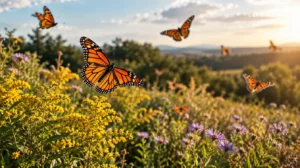
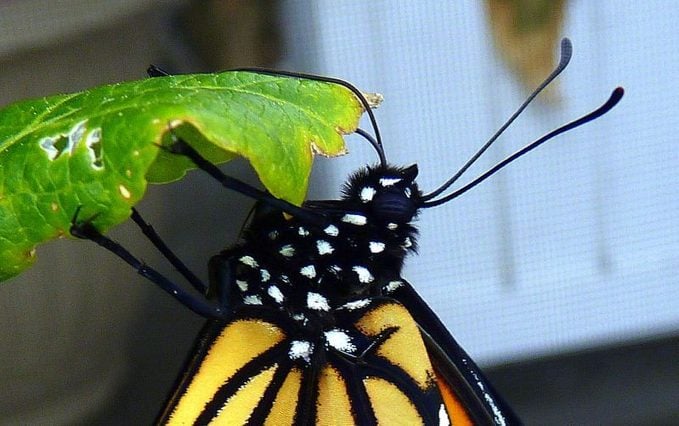
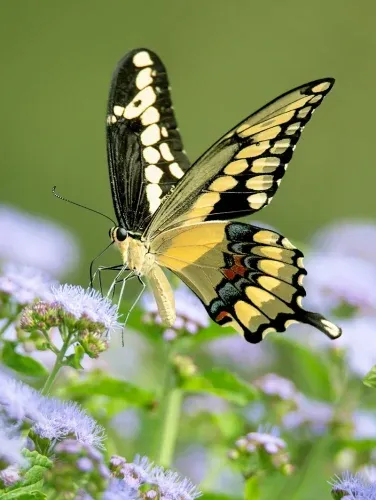
Adult monarch butterflies mainly drink nectar from flowers. They visit many nectar plants, including milkweed flowers, coneflowers, zinnias, lantana, salvia, sunflowers, ironweed, and other blooming plants.
But monarchs may also drink from soft fruit, especially in warmer parts of their range. They may visit oranges, mangoes, or rotting bananas for sugary juice.
Like other butterflies, monarchs may also puddle on damp soil to get salts and minerals. Nectar gives them energy, but mineral-rich moisture can help provide nutrients that flowers do not always supply.
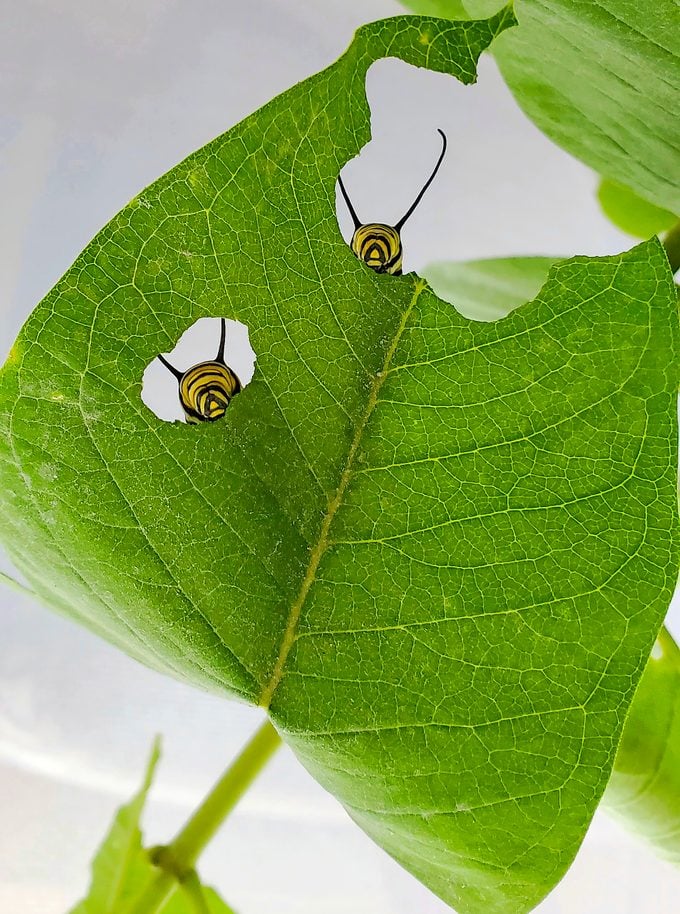
It is important to separate adult monarchs from monarch caterpillars. Adult monarchs drink nectar from many kinds of flowers, but monarch caterpillars depend on milkweed leaves as their host plant.
Nectar Is Still the Main Food Source
Even though butterflies drink many surprising things, nectar remains the most important food for most adult butterflies.
Nectar is rich in sugar, which provides quick energy for flying. Butterflies need a lot of energy because their lives are active and often short. Some species migrate long distances. Others must search constantly for mates, host plants, and safe resting places.
That is why a good butterfly garden should start with nectar plants.
Choose flowers with:
- Abundant nectar
- Open or accessible flower shapes
- Different bloom times
- Sunny planting locations
- Native species when possible
Planting flowers in groups rather than scattering single plants around the yard can make them easier for butterflies to find.
Not All Flowers Are Good Nectar Sources
A flower may look beautiful to us but offer very little food to butterflies.
Some modern ornamental flowers are bred mainly for appearance. They may have extra petals, unusual colors, or showy shapes, but they do not always produce much nectar. Others have nectar hidden too deeply for many butterflies to reach.
For butterfly gardens, practical nectar value matters more than decorative appearance.
Good butterfly plants often have simple, accessible blooms and a steady nectar supply. Native flowering plants are often especially useful because local butterflies are already adapted to them.
Strange Butterfly Diets
Most butterflies rely on nectar and liquid supplements, but a few species have more unusual diets.
The zebra longwing butterfly, for example, is known for feeding on pollen as well as nectar. Pollen can provide nutrients that help support its long adult life.
The rare harvester butterfly is even more unusual. Its caterpillars feed on woolly aphids, and adults may consume honeydew produced by aphids.
These examples remind us that butterflies are not all the same. There are thousands of butterfly species, and their diets can vary widely depending on habitat, life stage, and species.
How to Help Butterflies in Your Garden
If you want more butterflies to visit your yard, do not rely on one food source only. A better approach is to offer a small habitat.
Start with nectar-rich flowers. Add host plants for caterpillars if you want butterflies to reproduce nearby. Then include a few supplemental food sources.
You can help butterflies by providing:
- Native nectar flowers
- Flowers that bloom from spring through fall
- Host plants for caterpillars
- A shallow damp soil or sand puddling area
- Occasional overripe fruit
- A sunny, sheltered garden space
- Fewer pesticides
Avoid thinking only about adult butterflies. Caterpillars need food too, and many species can only survive on specific host plants.
No host plants means fewer caterpillars — and eventually fewer butterflies.
Final Thoughts
So, what do butterflies drink besides nectar?
They may drink tree sap, rotting fruit juice, mineral-rich mud, damp soil moisture, sweat, and sometimes nutrients from dung or carrion. These sources may seem strange, but they help butterflies get salts, minerals, and extra nourishment that nectar alone may not provide.
Still, nectar-producing flowers should remain the foundation of any butterfly-friendly garden. Add fruit, damp soil, native plants, and host plants, and your garden becomes much more than a pretty space — it becomes a small, working habitat.
FAQ
What do butterflies drink besides nectar?
Butterflies may drink tree sap, rotting fruit juice, damp soil moisture, mud puddles, sweat, and mineral-rich liquids from natural sources. Nectar is still their main energy source, but these other liquids can provide salts and minerals.
Do butterflies drink water?
Yes, butterflies can drink water, but they often prefer moisture that contains minerals, such as damp soil, mud, or wet sand. Plain water may not attract them as strongly.
Can butterflies drink fruit juice?
Yes. Butterflies often sip juice from overripe or rotting fruit. Bananas, oranges, mangoes, melons, and berries can attract butterflies when they become soft and sugary.
Why do butterflies sit on mud?
Butterflies sit on mud to drink mineral-rich moisture. This behavior is called puddling. It helps them get salts and nutrients that are not always available in nectar.
Do monarch butterflies drink anything besides nectar?
Adult monarch butterflies mainly drink nectar, but they may also visit soft fruit and damp soil for sugar, moisture, salts, and minerals.
Do butterflies eat solid food?
Adult butterflies do not chew solid food. They use a proboscis to sip liquids. Caterpillars, however, have chewing mouthparts and eat leaves from specific host plants.
What is the best food to attract butterflies?
The best food source is a garden full of nectar-rich flowers, especially native plants. You can also add host plants, a damp puddling area, and occasional overripe fruit.