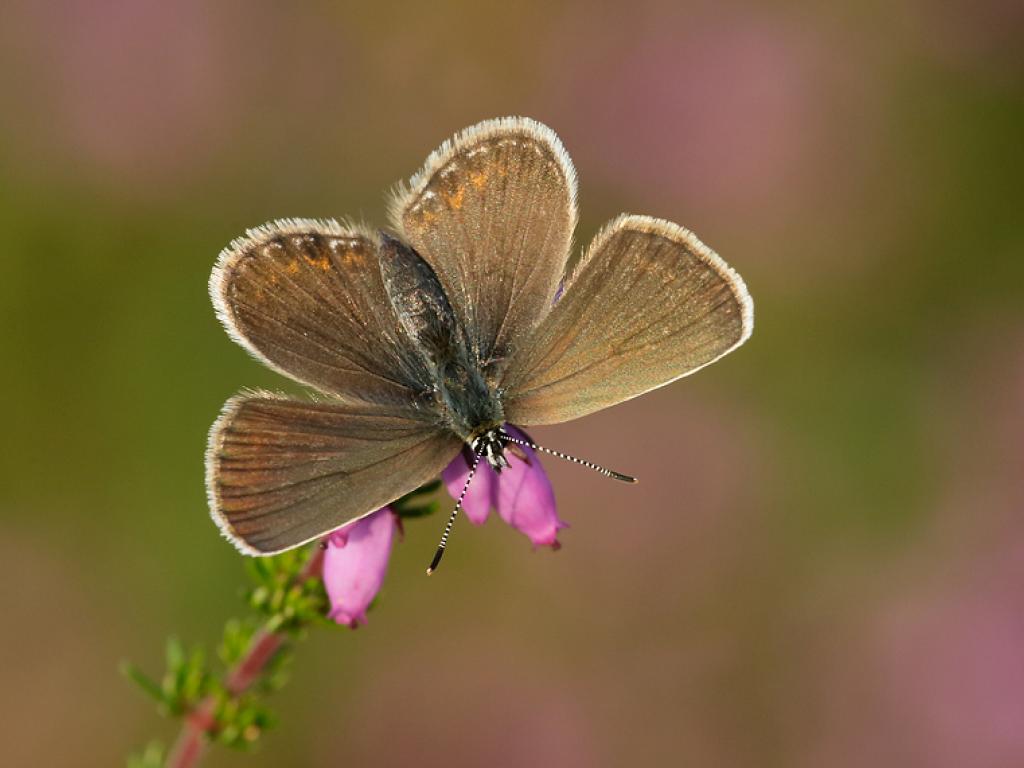
Silver-studded Blue butterfly & Predators,Habitat,Diet,Life cycle Facts

The Silver-studded Blue butterfly (Plebejus argus) is a rare and fascinating species with some unique characteristics. Here are key facts about its predators, habitat, diet, and life cycle: Habitat The Silver-studded Blue is primarily found in: It prefers open areas with short vegetation (2-7 cm tall) and some bare ground. The butterfly is highly habitat-specific, which contributes to its restricted distribution mainly in southern England, with some populations in Wales and eastern England.   A rare butterfly found on heathland, sand dunes and chalk/limestone grassland.   Heathlands are able to meet the needs of P. argus due to burning, cutting, and other disruptions … Read more

Tags:

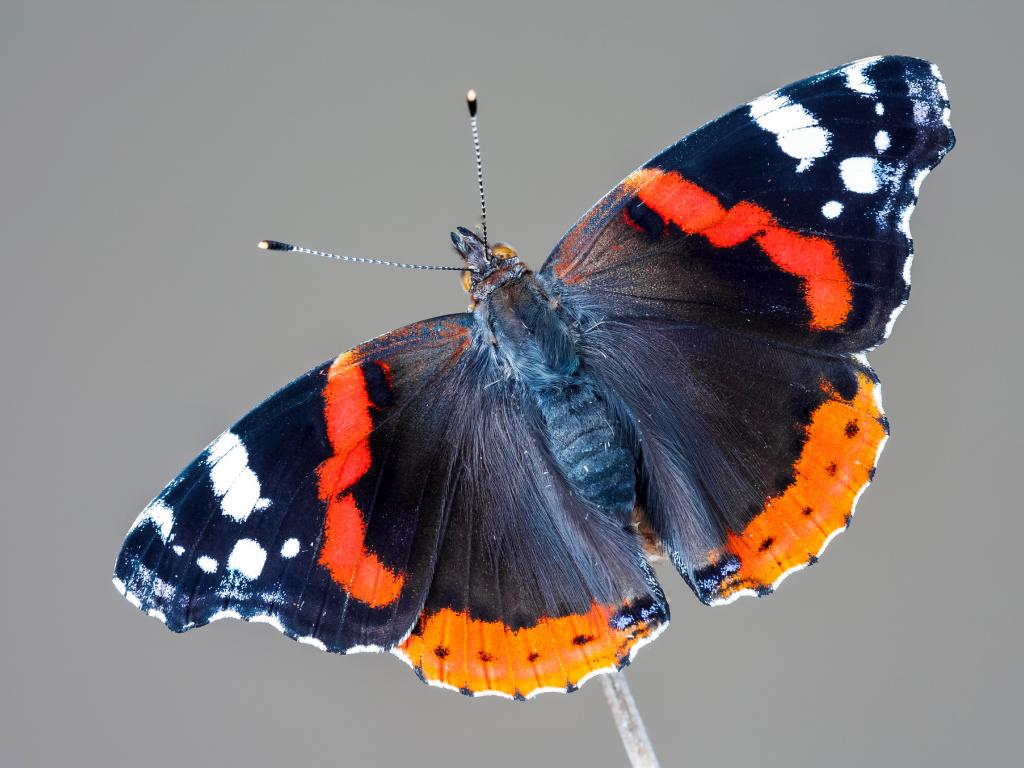
Red Admiral Butterfly: Habitat, Life Cycle and Facts

How to identify a Red Admiral butterfly The Red Admiral butterfly, Vanessa atalanta, is usually easy to identify once you know what to look for. The upper side of the wings is mostly dark brown to black, cut through with vivid orange-red bands. White spots near the forewing tips add contrast, making the butterfly stand out even at a distance. It is also a relatively large, strong-flying species, and that confident, darting flight often gives it away before the pattern does. Unlike some butterflies that seem delicate and drifting, Red Admirals often appear purposeful. Males are territorial and may patrol … Read more

Tags:

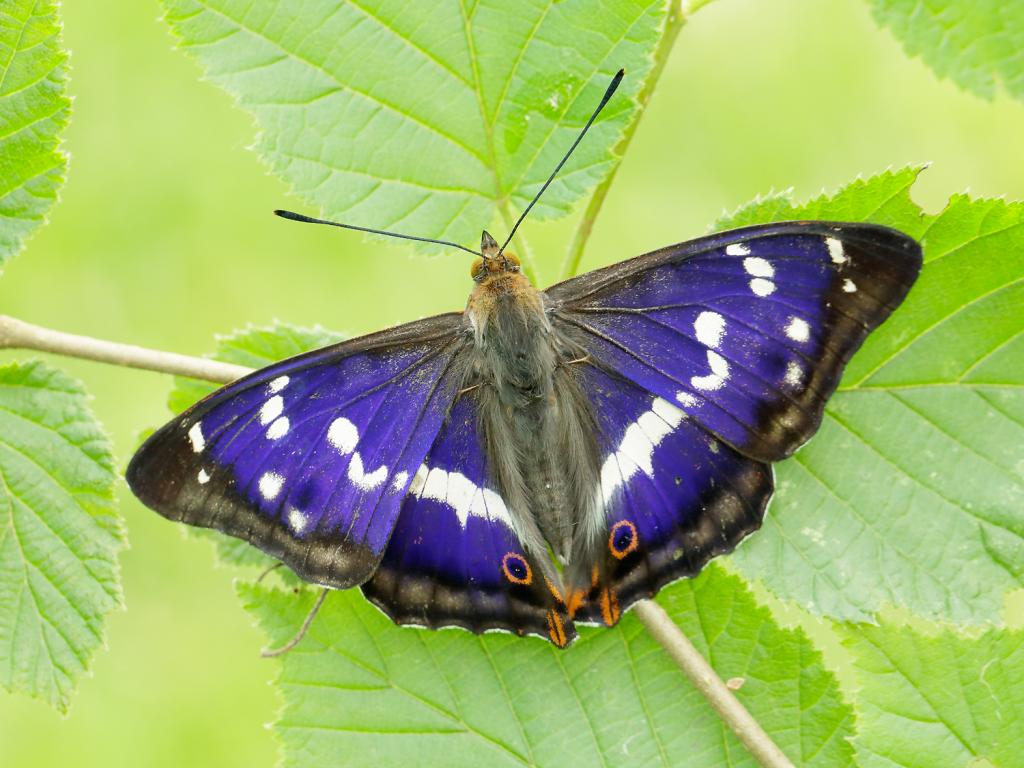
Purple Emperor butterfly Habitat,Diet,Characteristics Facts

The Purple Emperor butterfly (Apatura iris) is a fascinating and elusive species with distinct characteristics and behaviors. Here are detailed insights into its habitat, diet, and characteristics: Habitat Purple Emperor butterflies are primarily found in large expanses of deciduous woodland, particularly those containing oak trees. They are most commonly seen in central and southern England, but their range extends across Europe to parts of Asia. They prefer mature, dense oak woodlands and are often found high in the tree canopy, descending only occasionally to feed or lay eggs.   Life Cycle   There is a single generation each year. The adult butterfly … Read more

Tags:

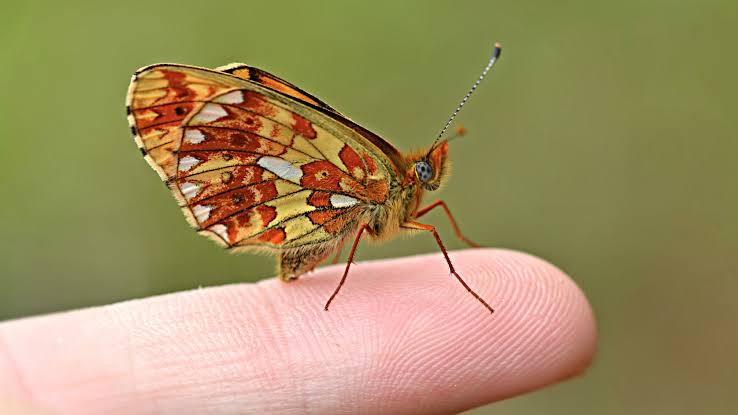
Pearl-bordered Fritillary butterfly | The smallest butterfly in the world

The Pearl-bordered Fritillary (Boloria euphrosyne) is a medium-sized butterfly found in Europe and parts of Asia. It is characterized by its orange wings with black spots and a distinctive row of silver-pearly markings on the underside of its hindwings, which give it its name. The wingspan ranges from 38 to 47 mm, making it a medium-sized butterfly within its family, Nymphalidae. Habitat and Distribution The Pearl-bordered Fritillary inhabits sunny woodland clearings, grasslands, and areas with bracken and scrub. It is particularly dependent on violets, such as the Common Dog-violet (Viola riviniana), for its larval foodplants. This species has seen a significant decline … Read more

Tags:

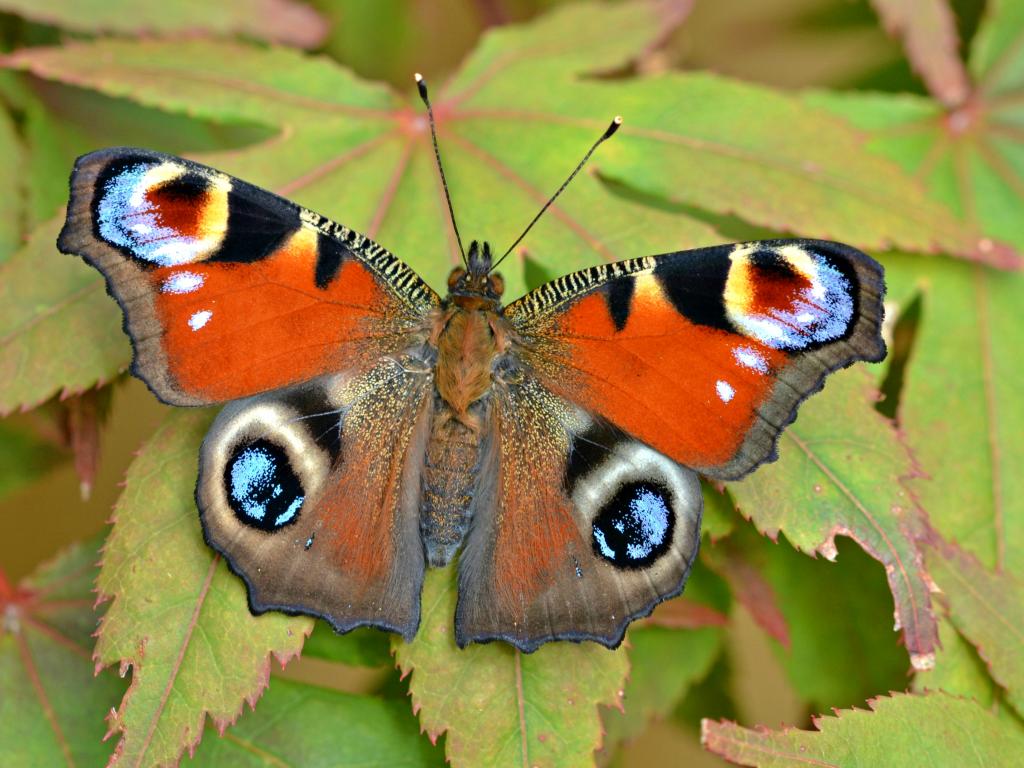
Peacock butterfly Habitat, Life cycle, Diet Facts

Peacock Butterfly: Habitat, Life Cycle, and Diet Facts Habitat The Peacock butterfly (Aglais io) is commonly found across Europe and temperate Asia. It thrives in a variety of habitats, including:Common and found in a range of habitats. Life Cycle The life cycle of the Peacock butterfly consists of four main stages: egg, larva (caterpillar), pupa (chrysalis), and adult butterfly. How long does the life cycle of a peacock butterfly last The life cycle of the Peacock butterfly (Aglais io) typically spans almost a year, encompassing four main stages: egg, larva (caterpillar), pupa (chrysalis), and adult butterfly. Overall, the complete life … Read more

Tags:

orange-tip butterfly Habitat, Life cycle, Diet Facts

The orange-tip butterfly (Anthocharis cardamines) is a common species found throughout Europe and temperate Asia. Here are some key facts about its habitat, life cycle, and diet: Habitat Orange-tip butterflies prefer damp habitats such as: They are often found in areas where their larval food plants grow, particularly near patches of cuckooflower or garlic mustard. Life Cycle The orange-tip has a single generation per year in most areas, with the following life cycle: The entire life cycle from egg to adult takes about 12 months, with the butterfly spending around 10 months as a pupa. Diet The caterpillars mainly eat … Read more

Tags:

monarch butterfly

What Is a Monarch Butterfly? The monarch butterfly, Danaus plexippus, belongs to the nymphalid family and is considered a large butterfly. Its wingspan usually falls around 95 to 100 mm, which gives it a noticeably larger presence than many other garden butterflies. Monarchs are especially famous for two things: their close relationship with milkweed plants and their ability to migrate over extraordinary distances. They are native to the Americas and are found across a broad range, from southern Canada through the United States and into parts of Central and South America. Although they are strongly associated with North America, monarch … Read more

Tags:

Meadow Brown butterfly Life cycle,Diet,Habitat Facts

The Meadow Brown butterfly (Maniola jurtina) is one of the most common and widespread butterfly species in the British Isles and Europe. Here are key facts about its life cycle, diet, and habitat: Life Cycle The Meadow Brown has a single brood per year with a protracted flight period:There is one generation each year and the flight period can be quite protracted, with adults being seen from the middle of June to the end of September in most years. Diet Habitat The Meadow Brown butterfly is highly adaptable and can be found in various grassy habitats: They prefer areas with … Read more

Tags:

Marsh Fritillary Habitat,Life cycle, Diet and Facts

  The marsh fritillary (Euphydryas aurinia) is a butterfly of the family Nymphalidae. Commonly distributed in the Palearctic region, the marsh fritillary’s common name derives from one of its several habitats, marshland. The prolonged larval stage lasts for approximately seven to eight months and includes a period of hibernation over the winter. The larvae are dependent on the host food plant Succisa pratensis not only for feeding but also for hibernation, because silken webs are formed on the host plant as the gregarious larvae enter hibernation. Females lay eggs in batches on the host plant and are, like other batch-layers, selective … Read more

Tags:

Marbled White butterfly Habitat&Diet And Facts

The Marbled White is a distinctive and attractive black and white butterfly, unlikely to be mistaken for any other species. In July it flies in areas of unimproved grassland and can occur in large numbers on southern downland. It shows a marked preference for purple flowers such as Wild Marjoram, Field Scabious, thistles, and knapweeds. Adults may be found roosting halfway down tall grass stems.  Found in flowery grassland but may stray into gardens. This species is widespread in southern Britain and has expanded northwards and eastwards over the last twenty years, despite some losses within its range, with outlying populations … Read more

Tags: